

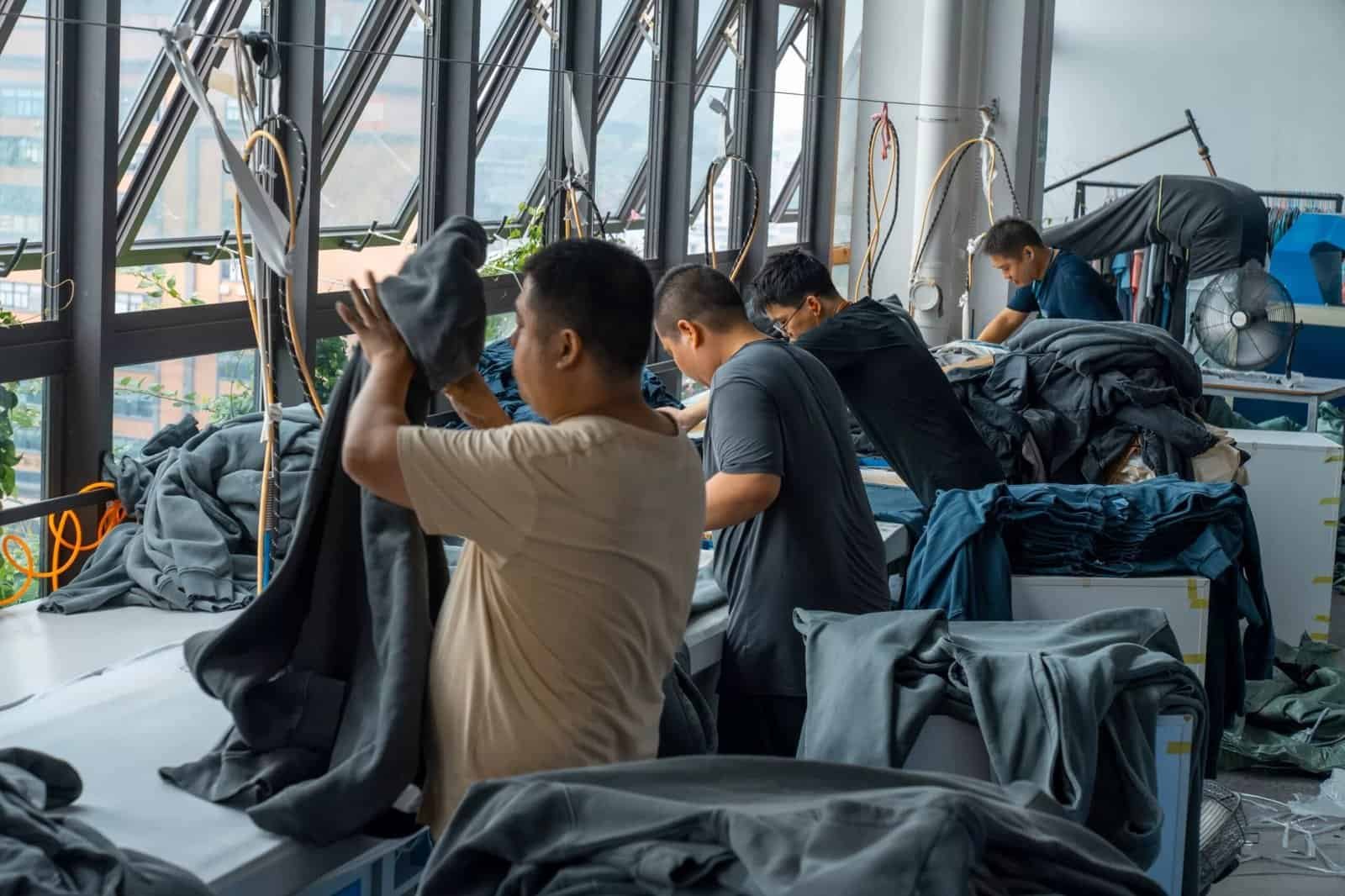
Small batch clothing manufacturers are emerging as key components of fashion businesses today. Whether you’re starting up with a limited range of clothing or manufacturing niche-market adaptive clothing for those who need special assistance, you need the right manufacturers to produce them for you. But how do you find the one who can manufacture your products in small batches without charging a high price?
However, for most young brands that focus on adaptive wear and inclusive design, the usual clothing manufacturing industry is simply not an option. Factories that require large MOQs and operate on inflexible production schedules cannot provide the necessary conditions for innovation and development required to create functional products.
This article provides guidelines on how to choose a manufacturer of small batches, what price and lead time you should expect, how to measure the quality and capacity of such companies, and how to build a relationship with a supplier that will meet the requirements of your business model.
A small batch clothing manufacturer makes complete clothes in batches smaller than 1,000 pieces per order. Compare that with the conventional factories that usually work on orders for 5,000 or 10,000 pieces of clothing.
A small batch clothing manufacturer is not “made to order” or bespoke fashion. It is a different kind of manufacturing business that manages to make quality clothing with smaller batches of production.
A true small batch manufacturer is known for:
Adaptive clothing firms, startups experimenting with products to gauge customer fit, and niche brands serving specific groups cannot risk ordering in bulk. By using small batch manufacturing, brands can:
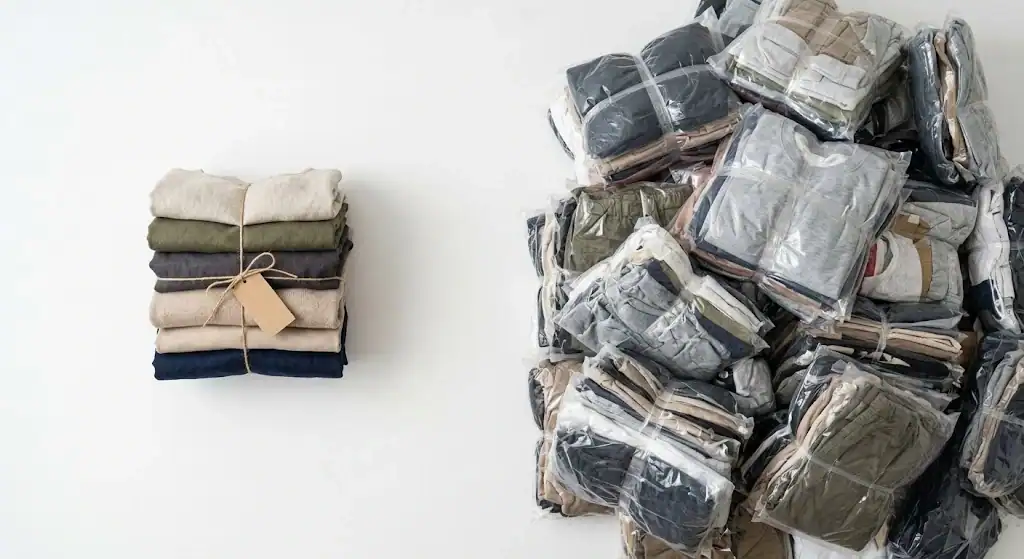
The MOQ (minimum order quantity) is an important concept to be aware of in relation to small batch manufacturing. When we talk about traditional bulk manufacturers, the MOQ may be 500 or 1,000 pieces per style. For small batch manufacturing, MOQ is much smaller – from 50 to 300 pieces, depending on the type and difficulty.
When talking about the cost of each item in the order, it is higher compared to the bulk manufacturing, but in terms of the total cost of the order, the price is significantly smaller. So if a brand orders 100 adaptive jackets in a custom order, he will have to pay more for each unit than if he had ordered 1,000 units. But the price of the whole order will be 1/10 of the price the company that orders 1,000 units will pay.
Here is how manufacturing companies will explain the price structure:
Small batch manufacturers will usually have two options to consider, which are OEM (Original Equipment Manufacturer) and private label manufacturing.
In OEM manufacturing, you come up with the design, specs, and tech pack, and the manufacturer makes exactly what you want. It’s the better option for adaptive clothing and other unique brands as you get full control over your design features for inclusiveness and adaptability.
For adaptive clothing, OEM manufacturing offers the following benefits:
• Designing custom seam placement that accommodates wheelchairs and mobility aids
• Different closures such as magnetic buttons, velcro, extended zippers to cater for challenges of dexterity
• Sensory-friendly construction and materials
This involves ordering from the styles already designed by the manufacturer, and you just put your brand on it. It’s cheaper and faster but you get limited flexibility here. It’s not ideal for niche and adaptive brands.
Read More About Fair Labor Association
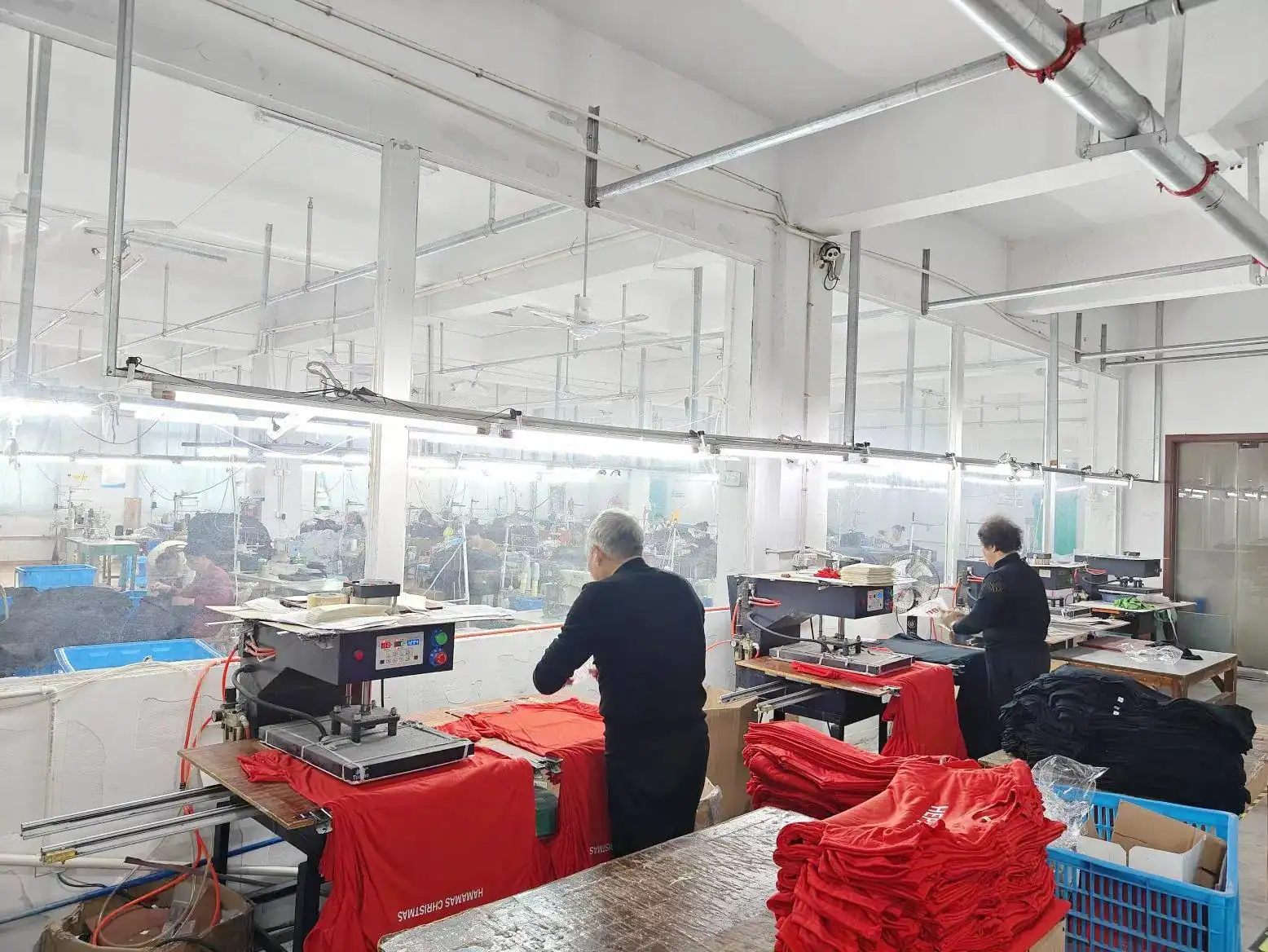
Small batch manufacturers can be very different from each other. The differences in quality can be drastic depending on their equipment, skills, source of material, and quality control.
It is easier for small batch manufacturers to establish good relations with textile suppliers. Thus, they can choose more flexible, sustainable, and specialized fabrics.
Ask manufacturers about:
Quality Control and Test Procedures
There must be a quality control stage in small batch manufacturing. Before selecting a manufacturer, ask about their procedures for quality control:
Choosing Partnering with a manufacturer can be considered one of the critical stages for any brand in the clothing industry. Follow the systematic approach described below:
To contact a manufacturer, you should understand your product first.
For adaptive apparel, that would include the following characteristics:
Find manufacturers by using:
Not all small batch manufacturers have made adaptive or specialized wear.
Questions to ask include:
In any production run, you should always require a pre-production sample, which is sometimes referred to as a “proto” or “sample”. In the case of adaptive wear, the sample is essential since you need to be sure that the accessibility elements will function as expected.
The sample will demonstrate:
The lowest quote does not necessarily provide the best bang for buck. Cheapest options imply low-quality materials, labor, and quality checks. In terms of adaptive apparel, the poor quality will impact users’ accessibility and autonomy directly.
Ambiguous descriptions result in mismatched samples and a waste of time. You need to develop detailed tech packs including measurements, fabric qualities, structure, and accessibility elements.
The sample is a must-have when it comes to adaptive clothes. The item that looks great in the illustration might turn out to be unapplicable in reality. Always require samples.
Discuss further collaboration prior to placing your initial order. Will the manufacturer be able to consistently deliver the items in the required colors, materials, and construction? Set up a long-term partnership.
In small batch manufacturing, more than one unit of the product of a similar design is manufactured (from 50 to 500 items). In bespoke or custom manufacturing, unique items are produced. Most businesses prefer small batch manufacturing since it allows them to cater to many people with the same design in a cost-effective way.
Small batch clothing takes 4-8 weeks from receiving a confirmed order until shipment. It includes fabric sourcing, cutting, sewing, quality control, and packaging of products. Samples can be delivered within 2-3 weeks. The international shipment process will take an additional 2-4 weeks.
Theoretically, yes, but it is not advised to do so. A simple tech pack will increase quote accuracy and sample quality. If you are producing adaptive apparel, it is mandatory to have a tech pack since it provides clear details about your design.
Yes, costs per unit are greater in small batch production than in large-scale manufacturing. Yet the overall cost will be less since you will be making less. This would be good for a brand trying out a product line with less money.
Keep your technical pack consistent and up-to-date. Store the samples from your first batch to serve as a guideline. Make sure there is good communication between you and the manufacturer regarding the colors used (using Pantone), fabrics, and construction. Make sure that you have test certificates from the manufacturer regarding durability and colorfastness.
Small batch production is at the core of any sustainable and versatile apparel business. No matter if you create an adaptive apparel brand, build a fashion line, or experiment with your design ideas, a small batch clothing manufacturer will be your development partner.
The most important thing is to find a supplier that shares your attitude towards quality and your approach to market, and is ready to develop together with you while your brand grows. AdaptiveGarment.com is an expert in small-batch OEM manufacturing for apparel brands catering to people with disabilities, limited mobility, and accessibility needs.
We collaborate with apparel brands at any stage of their development – from prototyping to volume production, with no minimum orders required.
Our facility provides all-inclusive in-house capacity for pattern making, sampling, bulk production, embroidery, quality control, and custom packaging. Having extensive experience in adaptive apparel, we can help you bring accessible clothing items to the market quicker and cheaper than regular bulk manufacturers.
Request a quote and have a discussion about your project in 10 minutes – contact us at AdaptiveGarment.com.
