

Putting on clothes is an activity most of us take for granted. Until, of course, we no longer can. As seniors age, even such everyday tasks as dressing become more and more difficult. Arthritis restricts joints that need to fasten buttons or zippers. Tremor caused by Parkinson’s makes fine motor skills a challenge. After a stroke, only one side of the body functions normally. Early-stage dementia starts affecting cognitive abilities required for dressing long before it begins causing difficulties with anything else. And, of course, traditional trousers are impossible to wear with a wheelchair.
And then there is adaptive clothing for seniors, designed to address this challenge. It is not any particular category of products – it is a whole design approach to apparel aimed at making the process of dressing convenient and dignified regardless of physical limitations.
In this guide, we will discuss what kinds of adaptive clothes exist for seniors, which garment features are dictated by specific diseases, and what criteria should be considered when choosing adaptive clothes for seniors.
Regular clothes are made with the assumption of the ideal physical body being used by the person wearing them. This means that the clothing is made on the assumption that the individual can stand up straight, bend their body backwards to reach buttons at the back, raise both hands over the head, manipulate a tiny button in a small hole, and raise a waistband without sitting down. For many senior citizens, one or more of these assumptions do not hold.
According to the World Health Organization, one out of six people in the world is expected to be above the age of 60 in 2030.
There are four typical dressing barriers faced by older patients, which include:
Adaptive clothing is designed specifically to overcome these dressing barriers in different ways. It is not about making the elderly person appear to be in need of assistance. It is about designing clothing that needs less assistance.
Different requirements arise from different environmental conditions. “Adaptive” clothing is simply a generic term that does not provide enough information about its applicability in a particular case. Knowing the true requirements arising from particular environmental conditions is the key factor in determining the adequacy of a garment.
Among all conditions that make seniors choose adaptive clothing, arthritis stands out as the leader. Arthritis affects primarily the joints of the hand, which are needed to button up clothes, zip, and tie. People who suffer from moderate to severe arthritis say that getting dressed is the most painful thing they have to do in the morning. Garments with magnetic buttons or pull-on garments do not require any hand movements or coordination.
Parkinson’s results in tremors, rigid muscles, and slow movement, all making fine motor movements almost impossible. Putting on buttons becomes virtually impossible on days of severe tremors. The main elements to consider when designing clothes for people with Parkinson’s disease are magnetic closures, wider openings, and elastic waistbands. It is important to understand that clothing should not force its wearer to align two fabrics in her hands — hence, magnetic closures are better for patients with Parkinson’s disease than Velcro because it requires pressing.
Dressing difficulties in dementia are both physical and cognitive. In advanced stages of dementia, seniors are no longer able to remember how to put their clothes on in the correct sequence. They might also become upset by complicated outfits, trying to take off clothes when it is unnecessary. Here, simplicity of design is the key element. Fewer closings. Fewer decisions. Clothing that can be put on with just one movement, where possible. Elastic waistbands and pull-over tops are essential.
There is also a second concern unique to memory care facilities, which is the tendency for some residents with late-stage dementia to take off their clothes. Clothing that opens only at the back or fastens with closure mechanisms that the resident cannot access easily without help lowers the likelihood of such behavior occurring without the use of restraints.
A stroke generally causes weakness and a lack of functionality on one side of the body. The arm on the affected side is generally weaker and may suffer from a reduced range of movement, both temporarily and permanently. In adaptive clothing for stroke victims, the issue centers on dressing with just one arm.
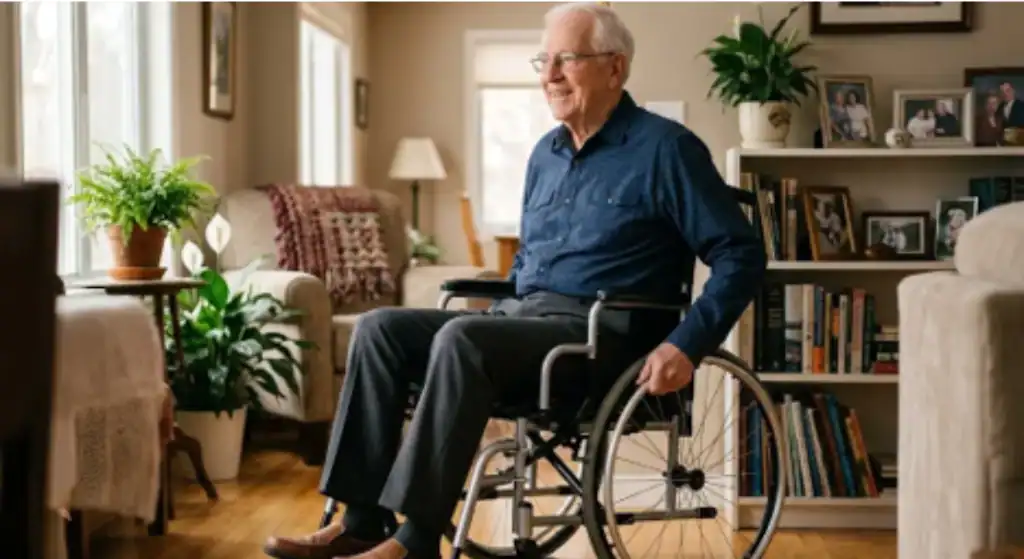
Older adults using wheelchairs encounter a significant challenge that extends beyond closure. A design made for a standing individual will never fit a seated one. The pants lack enough material in the back section and too much in the front section. Suits that appear to be the right length when worn standing become too short when sitting. Pant lines that seem to fit standing cause pressure problems when sitting all day long. Adaptive clothing made specifically for wheelchair users solves this fit challenge by making pattern alterations in the following manner: back rise, shorter front rise, longer back line, side opening in pants, and no back pocket that causes pressure points.
Condition-to-Feature Match Guide
| Condition | Primary Dressing Challenge | Key Adaptive Features to Look For |
| Arthritis | Button/zipper manipulation is painful or impossible | Magnetic closures, pull-on designs, elastic waistbands |
| Parkinson’s disease | Tremors and rigidity — fine motor control unreliable | Magnetic closures (not Velcro), wide openings, elastic waistbands |
| Dementia / Alzheimer’s | Cognitive sequencing breakdown; possible undressing behavior | Pull-over styles, minimal closures, back-access only for secure dressing |
| Stroke recovery | One-sided function only — one hand available for dressing | Open-front designs, side snaps, no overhead-pull required |
| Wheelchair use | Standing-cut garments fit wrong when seated all day | High back rise, short front rise, side zippers, no back pockets |
| Incontinence | Frequent clothing changes; access without full undressing | Side zippers, CareZip-style triple-zip access, elastic waistbands |
| General frailty / fall risk | Balance risk during standing dressing tasks | Seated dressing possible — pull-on, lay-flat, or front-access designs |
| Skin fragility / sensitivity | Tags and raised seams cause irritation or skin breakdown | Tagless construction, flat seams, soft natural-blend fabrics |
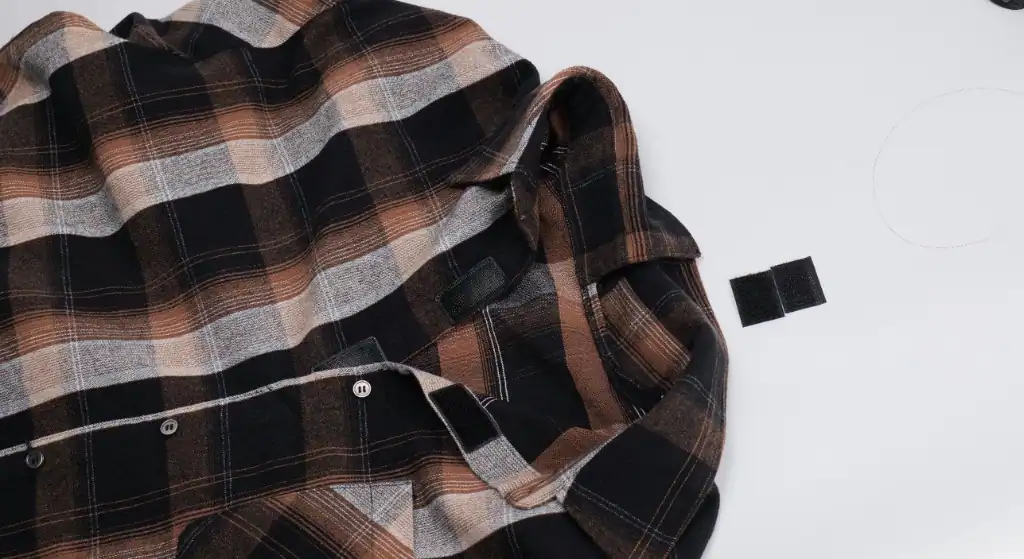
Of all the things that make a piece of clothing adaptive apparel for the senior, closures take precedence. Without proper closure, a perfectly designed garment is useless because it won’t have any functional purpose but to serve as ordinary clothing with a different label.
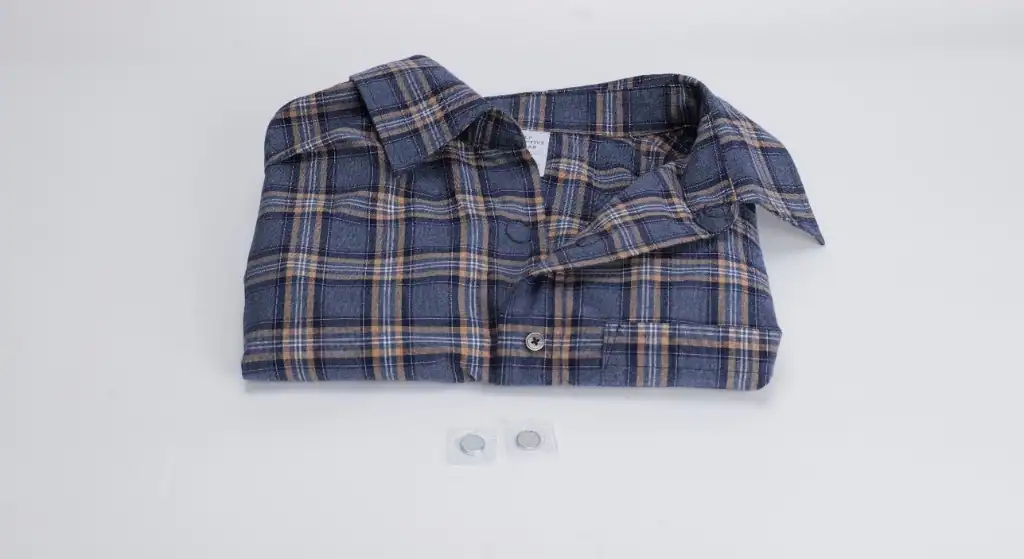
These types of closures work best for senior citizens who suffer from arthritis, Parkinson’s disease, or those with stroke-affected hands. The magnets snap into place in a split second without pinching, aligning, or squeezing. Visually speaking, the garment looks exactly like a regular shirt or blouse, complete with real buttons. It is essential because it helps with the wearer’s dignity — he will not feel like he is wearing a piece of equipment for assistance. However, magnetic closures should not be worn by people with pacemakers or defibrillators because magnets interfere with the functioning of these devices.
Velcro fasteners are commonly utilized in caregiving environments since they are easy to use by the caregivers and are adjustable. However, in situations where elderly individuals dress themselves, there are several challenges associated with the use of Velcro fasteners. They require a smooth application of pressure that is challenging when one suffers from arthritis and trembling fingers. Also, they attract lint and are susceptible to rapid deterioration in commercial laundries. There is an additional challenge of using Velcro fasteners for individuals with dementia, as such patients keep opening and closing Velcro.
Snaps on the side seam mean that the clothing can be placed flat on the wearer’s body, either sitting down or lying down, then closed without having to lift anything above shoulder height. This is especially suitable for assisted dressing in nursing homes, because the speed and efficiency of the process impact the caregiver as well as the patient. Larger-sized snaps are easier to use than smaller snaps.
The alternative to using fasteners on trousers, skirts, and shorts is an elastic waistband, which means that no fastener is required. All the user needs to do is pull the clothing up onto themselves without having to worry about buttons or zips, and ideally, this should be done from a sitting position. The waistband must have enough elasticity to retain its shape.
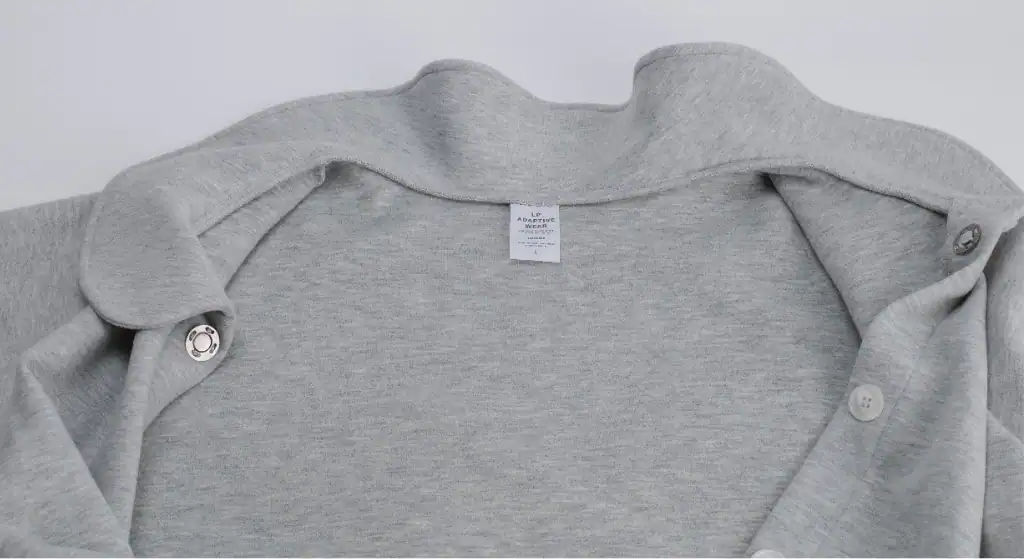
There is much emphasis on adaptive design features, but the fabric itself makes the difference between something that a senior can wear comfortably throughout a full day versus just a few hours.
The skin of seniors is more sensitive compared to that of younger individuals. The tags and raised stitching that might not bother younger individuals can cause significant damage to seniors, especially those with a sensitivity issue and those who need to sit for long hours. High-quality senior adaptive clothing OEM manufacturing uses tagless design and flat-stitching of seams in addition to fabrics that have passed the test of being safe for skin contact. OEKO-TEX Standard 100 certification guarantees human ecological safety of the fabric.
Adaptive dressing in pull-on clothes depends on the ability of the material to stretch and recover to the initial state after being worn. The presence of about five percent of spandex or elastane helps the garment stretch and recover its shape after being worn. Poor recovery results in rapid loss of the clothing’s fit, and replacement of the garments is required.
People who are seated for long periods need a different kind of temperature management compared to people leading an active life. Materials that retain moisture are undesirable and result in skin problems in elderly people. Materials that have the property of moisture transfer are more preferable.
In care facilities, clothing items undergo commercial washing cycles – higher temperatures, strong detergent, and heavy loads in the drum – much more often compared to regular household laundry. Fabric and fastening elements have to withstand this process without any deterioration. Magnetic fasteners remain resistant to multiple washes. Velcro, as already stated, deteriorates much more quickly during commercial washing. It is important to verify resistance to wash cycles before bulk purchasing.
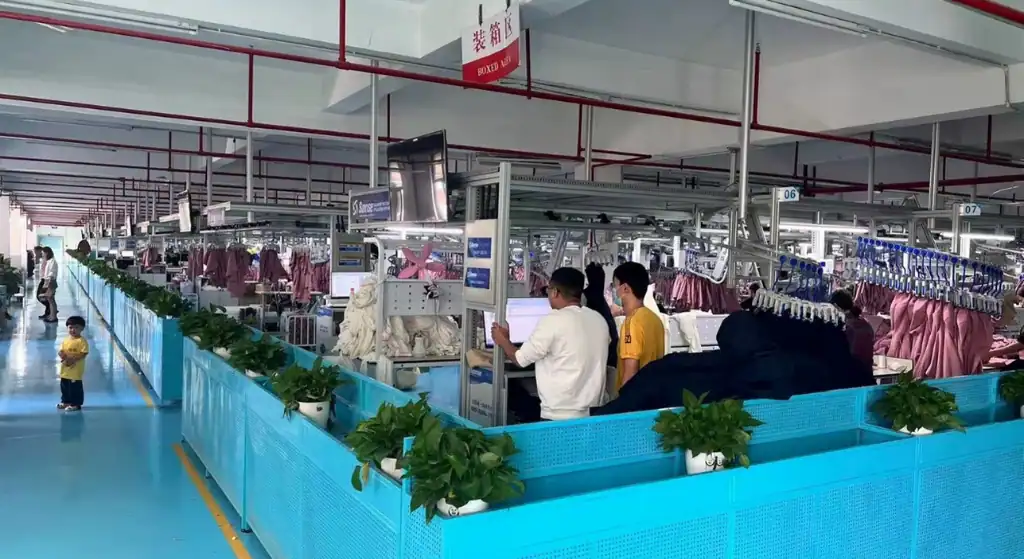
There is a particular set of purchasing considerations associated with individual older adults and their family members. There is another set of considerations for care facilities such as nursing homes, assisted living, dementia care, and rehabilitation facilities.
Firstly, there is the matter of volume. It would be necessary to equip many people in a care facility with appropriate adaptive clothing, all of different sizes and requiring replacement due to wear. The strategy of purchasing suitable clothing for an individual older person does not necessarily work here.
Secondly, there is the matter of standardization. Care facilities will find it beneficial to have all the items of the wardrobe of older residents consistent in terms of their features – consistent sizing, closure types that would be quick to use for employees of the facility, consistent color and material.
Another important difference is commercial laundering. All garments used in care settings are subjected to repetitive institutional laundering. Specifications for fabric, stitching, and closures have to be made with this in mind rather than individual use.
AdaptiveGarment.com produces adaptive clothing for business-to-business customers in quantities — care companies, rehab-focused retailers, assisted living establishments, and private label customers creating their own adaptive lines. OEM orders begin at 100 pieces per style with customization of fabric, closure system, sizing, labeling, and packaging. There are three well-documented quality control steps between sample approval and shipment. For customers wishing to create their own adaptive senior clothing line from scratch, the current database of adaptive clothing designs can be used as a base.
Care Facility Sourcing Checklist
| What to Confirm Before Ordering | Why It Matters |
| Closure type matches your population’s primary conditions | Wrong closure for the condition fails the functional purpose entirely |
| Commercial laundry rating on closures and fabric | Care settings wash garments far more frequently and aggressively than home users |
| Consistency guarantee across repeat production runs | Inconsistent sizing or fabric change between orders disrupts care routines |
| Sizing range covers your resident distribution | Senior populations skew larger — confirm 2XL, 3XL availability before committing |
| Flat seams and tagless construction confirmed | Non-negotiable for residents with skin fragility or sensory sensitivity |
| Back-access or secure closures available for memory care | Prevents residents from removing clothing independently in inappropriate situations |
| Sample approval process before bulk production | Confirms fit, closure function, and fabric feel before committing to large orders |
| Lead time and reorder process documented | Ongoing replacement programs need a supplier with predictable production timelines |
Regular clothes have a set motion range and dexterity assumed in mind. Adaptive clothes have been developed with the sole purpose of getting rid of certain barriers – whether through modification of closure type, changes in the geometry of the clothing, easy access to electronic gadgets or sensor-friendly material. What differentiates adaptive from regular clothes is the ability of the latter to allow a user do more things independently rather than the other way around.
In no way! Adaptive clothes come handy even for those who have milder cases of disabilities. Seniors with minor arthritic conditions and hence have trouble dealing with buttons will definitely enjoy the use of magnetic closure mechanism in clothes. Even those with Parkinson’s but can wear clothes independently depending on the level of their tremors on certain days will benefit from adaptive clothes.
In the case of dementia, there is an additional element of cognitive ability, unlike the other conditions. While the objective with arthritis is to take away the physical hindrance, that for dementia is cognitive ease. That means the objective is reduced number of movements, reduced decision-making and reduced sequencing. The focus will thus be on pullover/pull-on garments, as well as back-opening garments when it comes to more severe forms. Appearance does continue to matter as the patient deserves to look like himself/herself.
It is possible for high-quality wholesale adaptive garments to be washed in the same way. However, it is best to find out the ratings of the garment for commercial laundry from the supplier before ordering large quantities for a care facility. In a commercial laundry cycle, the agitation is more forceful and hot water is used, unlike home washes. It also makes Velcro lose its integrity more quickly.
MOQ is brand-specific. Most OEM adaptive clothing vendors – such as AdaptiveGarment.com – have MOQs starting at 100 units per style, allowing for more affordable initial orders for small care facilities and new adaptive brands. Larger quantities are rewarded with better pricing. Check MOQ per style color and total order quantity from your vendor prior to creating your product line, since MOQ policies vary by vendor.
Fashion has advanced to the point where there is very little visual difference between regular and adaptive products. Good-quality adaptive clothes feature hidden magnets within realistic plackets, elastic waist bands with belt loops, and side openings that are no different than front openings. If adaptive qualities are noticeable to naked eye, then your garment has not been made properly.
