

Selecting the right OEM clothing manufacturer is possibly one of the riskiest steps you’ll ever make as a fast-growing apparel brand, healthcare company, or rehab organization. The right manufacturer partnership will ensure you always receive high-quality clothes delivered within the agreed time frame. On the other hand, the wrong manufacturer will leave you with missed deadlines not met, poor quality and inconsistent sizing, as well as a factory that steals your design and runs away from the deal.
This guide gives you detailed information on what you need to consider before signing any agreement: production capacity, certificates, sampling process, price structure, contract terms, as well as typical errors that lead to unnecessary expenses. If you operate an adaptive, medical, or care facility clothing line, the guide will provide you with additional information regarding general versus specialized functional garment manufacturers.
OEM stands for Original Equipment Manufacturer. In apparel, an OEM clothing manufacturer produces garments to your exact specifications, your design, your tech pack, your branding, rather than selling you an existing product off a shelf. You own the intellectual property; the factory owns the production capability.
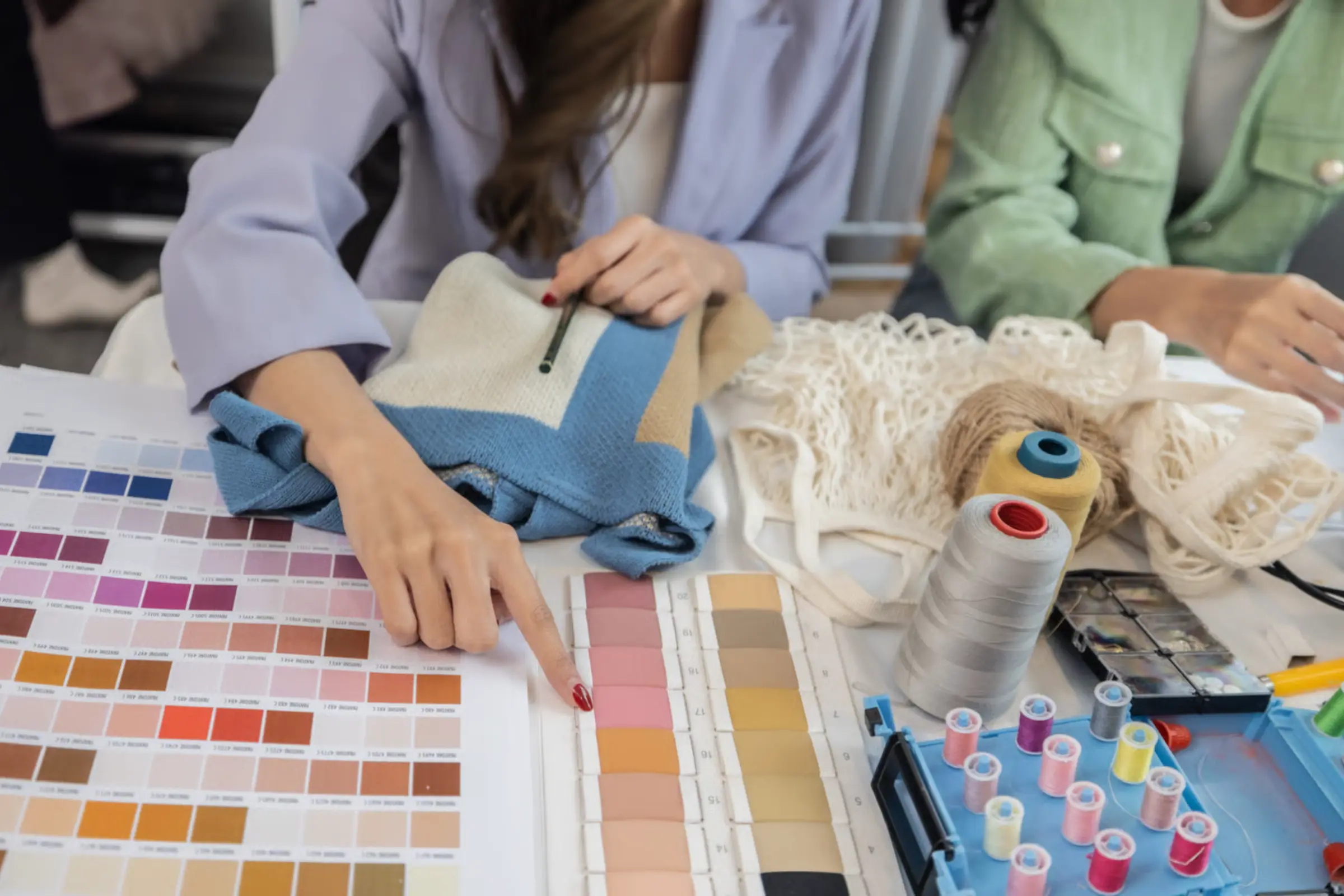
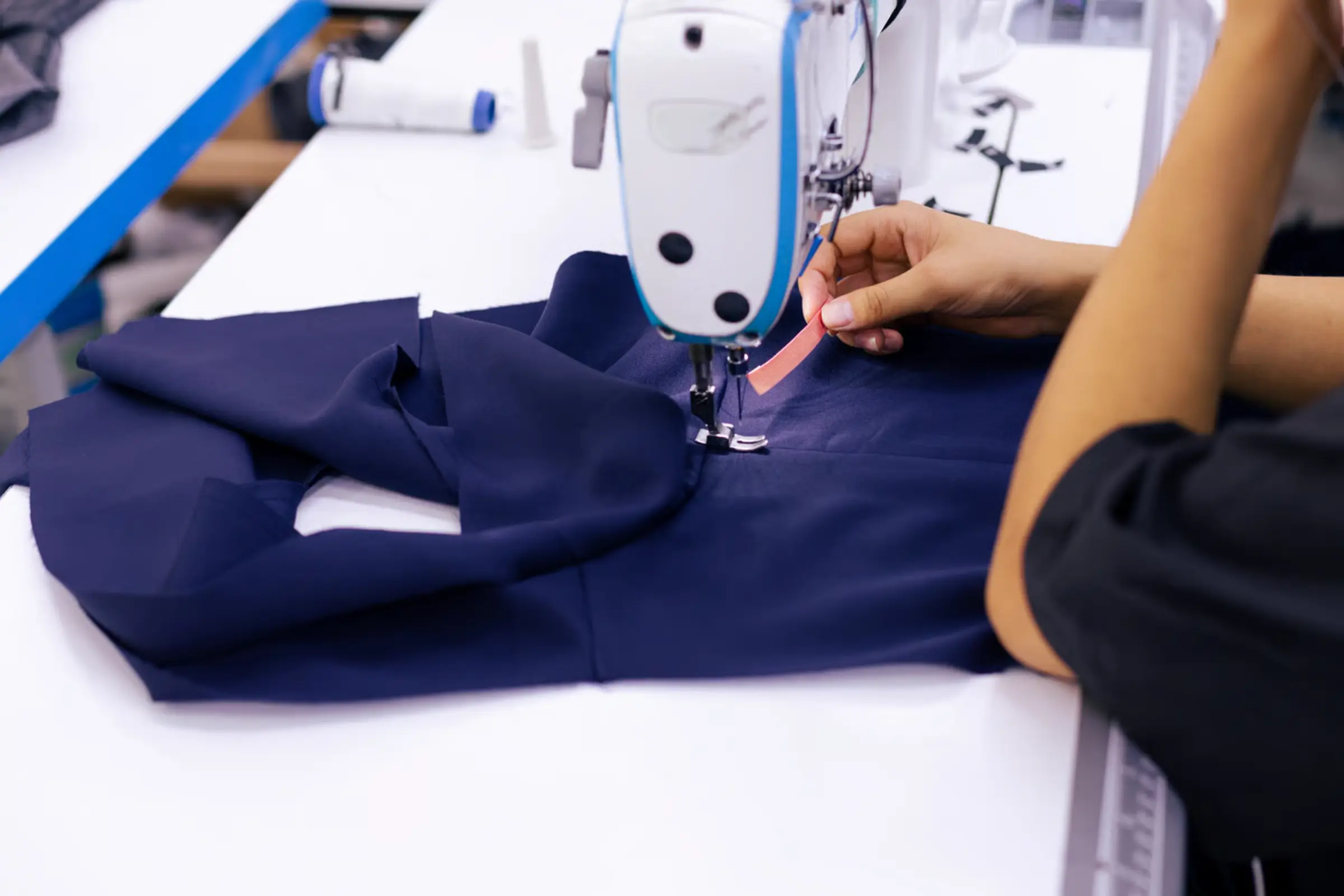
A full-service OEM partner typically handles pattern-making, fabric sourcing, sampling, bulk production, quality inspection, labeling, and packaging. Some factories only cut and sew what you send them. Others, sometimes called full-package manufacturers, support you from a rough sketch all the way through to a shipped, branded product. Knowing which type of support you actually need is the first filter before you start contacting anyone.
There is a difference between factories that call themselves OEM manufacturers in terms of the level of support offered; that’s why understanding the factory’s type before making requests will help.
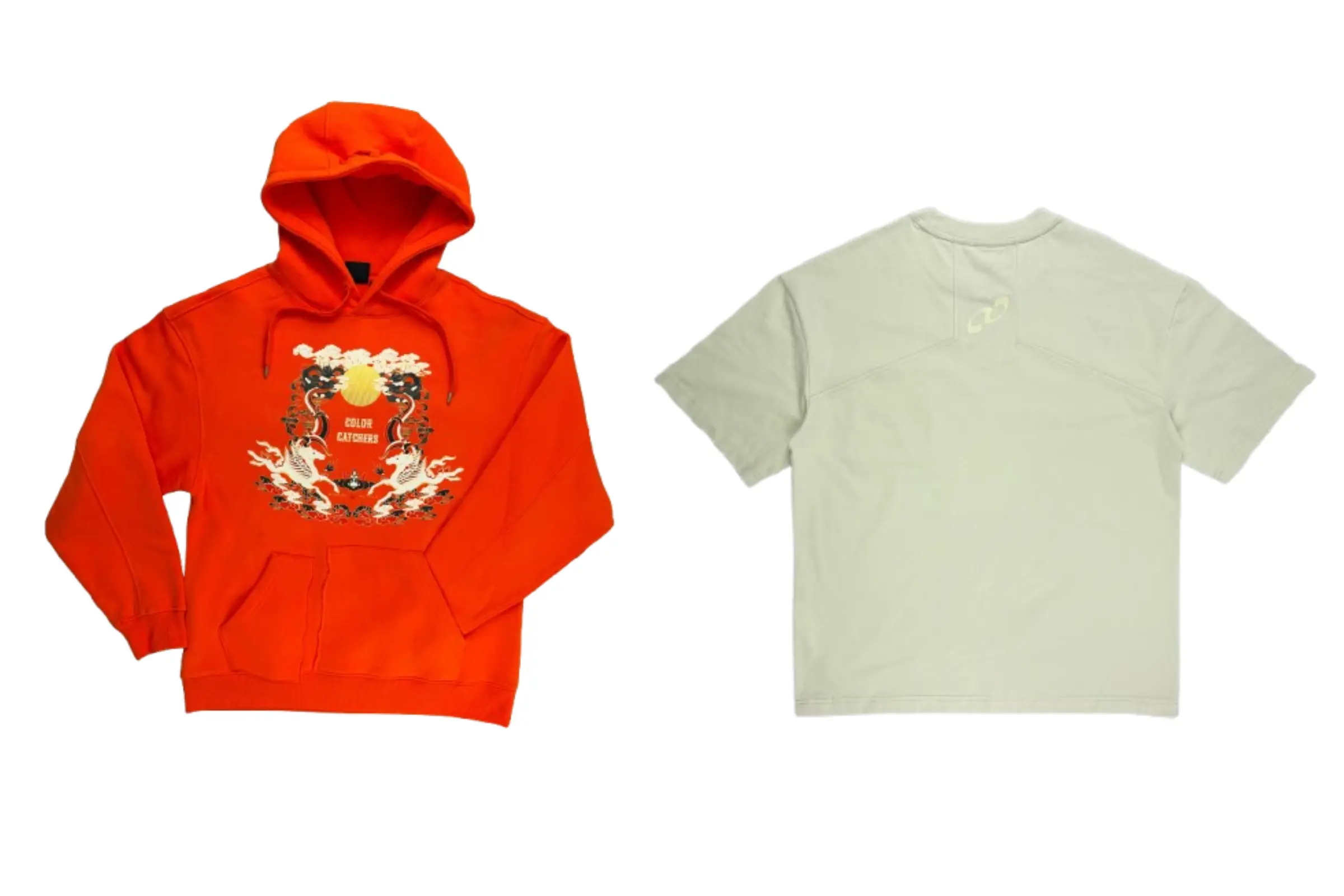
General apparel OEM manufacturers create usual clothing categories, like T-shirts, hoodies, dresses, and casual wear, in large batches and usually at low minimums and fast delivery rates. This kind of factory is perfect for fashion brands or startups who are looking for a manufacturer for a simple product line with no functional specifics.
Private label manufacturers are different. Instead of developing a product based on your original design, private label factories have already created the base product that you can modify and brand the way you want. Private label manufacturers are great for brands who would like to test their product idea on the market before designing it fully, and in factories that provide private label manufacturing, there are already pre-approved patterns waiting to be branded.
Cut-and-sew manufacturers produce clothing based on your original pattern and fabric sent by the brand, giving the brand complete freedom of controlling the fit and construction of a piece. A cut-and-sew manufacturer is a common option for brands that have a unique and original design.
Specialized OEM manufacturers are even more specialized and concentrate on a certain functional category: performance wear, workwear, or, in the case of healthcare, senior care and rehabilitation products, adaptive and medical apparel with functional closures, back opening, seated construction, and so on – something that the generalist factory will not know how to produce.
Full-package manufacturers provide the highest level of service, and instead of producing a finished tech pack, a full-package OEM manufacturer can take your rough concept, reference picture, or even written specification and develop it into a pattern, source fabric, make samples, and produce the final product. This approach is especially useful for brands that enter a new technical category without previous experience in dealing with such specific elements as closures or materials.
Having chosen the right manufacturer type, you can now move on to the true assessment process, where the following criteria are decisive for future collaboration.
Find out straight from the factory whether they have previous experience in producing garments of your particular category, not just any clothes in general, but your category in particular, of the desired quality level. If the company specializes in the manufacture of basic t-shirts, it is unlikely to have all the equipment and labor force needed to manufacture structured jackets or functional outerwear.
Certifications are the fastest way to separate a serious factory from a risky one. Look for a documented certification program covering quality management, fabric safety, and, for any factory shipping internationally, export compliance. A manufacturer that can point to an ISO 9001 quality management standard certification has an audited, repeatable quality process rather than one that depends on which supervisor happens to be on shift that day. For ethical sourcing, an amfori BSCI social compliance audit confirms the factory has been independently assessed on labor conditions, which increasingly matters to retailers, distributors, and end customers alike.

Never skip sampling, and don’t work with a factory which dissuades from it. The sampling process should be outlined clearly and include requirement review, development of the tech pack, prototype production, revisions, and final approval, with reasonable time estimates, not a general estimate of one-two weeks. The approved sample is supposed to become the actual production standard; if the factory is vague on how it handles samples after approval, consider it a red flag.
Minimum order quantity and pricing should be transparent before any agreements are made. The factories with a clear structure of minimum order and pricing will have separate cost per unit of fabric, trims, labor, and finishing, so you’ll know exactly what you’re paying for and what would happen to price in case of changing quantity or requirements. If the factory doesn’t break its pricing down and provide transparency – expect additional costs to come up when you get an invoice.
It’s the step most brands do too lightly. You should have the clauses in your manufacturing agreement protecting your designs and tech packs from being used by the factory, either during development or after production. The guidelines from WIPO on trade secret protection cover everything a business needs to know on how to protect confidential product information while collaborating with a manufacturer. It’s worth reading the guidelines before sending the first tech pack to avoid future problems. At minimum, your agreement should have provisions for pattern and tooling ownership, the factory producing your design for other customers, and disposition of remaining materials in case of early termination of the collaboration.
The way a company communicates throughout the inquiry stage gives a hint on how they will communicate in the middle of the production process. An honest manufacturer who provides reasonable timelines and identifies potential issues from the beginning is much more reliable than a company that lacks clarity and speed of response and informs about any problem only when it has already occurred.
The lead time itself requires a special line of questions. Request a production timeline divided into stages such as sampling, procurement of materials, cutting, sewing, finishing, and inspection. Factories that provide a general figure for all stages combined always leave buffer time for future delays, whereas companies that divide the timeline into several stages usually have an actual production timeline to compare with.
The general apparel factory will be capable of producing a wide variety of standard clothing products effectively and cheaply. This factory is ideal for making fashion and workwear clothing products without any functional requirements.
Unlike the former, an adaptive or medical OEM manufacturer is designed differently. These manufacturers know about the seating fitting pattern for the wheelchair user, magnetic and Velcro closure systems for dressing people with mobility issues, back-opening systems for caregivers’ access, and skin-friendly finishing. In addition, they have an idea of the regulatory requirements of nursing homes and other rehabilitation brands and medical distributors, who cannot afford to get a product not in line with resident care and infection control regulations.
A specialist in adaptive clothing production is necessary when you are producing clothing for seniors, wheelchair users, rehabilitation patients, or care facilities. A general apparel OEM manufacturer may not be skilled at sewing the closures and seams required for the use of the product in care facilities.
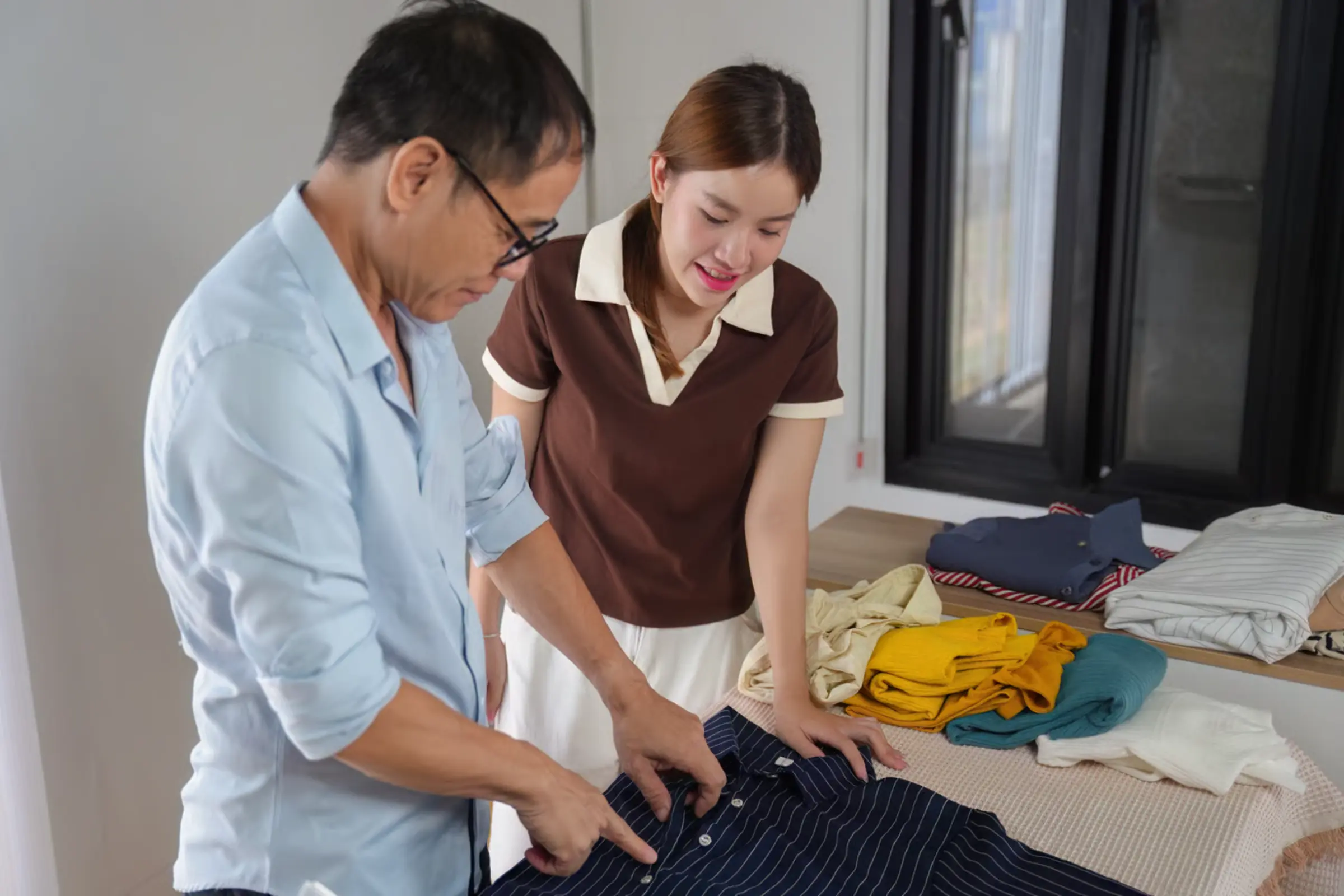
At Adaptive Garment, OEM production for care, rehab, and medical brands is the core of what the factory does, not a side offering bolted onto a general clothing line. Every order moves through how we work, a structured process covering design and tech pack review, fabric and trim recommendations, pattern-making, sample development, bulk production under strict quality control, and worldwide shipping.
Fabric decisions are handled the same way: brands can review fabric and material choice options built for comfort, durability, and skin safety before committing to bulk production, rather than discovering fabric issues after the first order ships. For brands that need more than a standard product, customization options extend to closures, sizing, colorways, and functional features tailored to a specific resident population or user group, the level of flexibility a generalist factory typically can’t match.
| Checkpoint | Why It Matters |
| Category-specific production experience confirmed | Confirms the factory can actually build your garment type, not just clothing in general |
| Certifications reviewed (quality, compliance, ethical sourcing) | Reduces risk of quality failures and supply chain issues |
| Sample approved before any bulk commitment | Sample flaws become bulk-order flaws if skipped |
| MOQ and full pricing breakdown in writing | Prevents hidden costs discovered only after ordering |
| NDA signed before sharing tech packs or designs | Protects your product before production even begins |
| Contract states IP and pattern ownership explicitly | Prevents disputes over who owns the design long-term |
| Communication clear and responsive at inquiry stage | Preview of how the factory will behave mid-production |
| Lead time and shipping terms confirmed in writing | Protects your launch timeline and restock planning |
ISO 9001 quality management standard — the internationally recognized framework for auditing a manufacturer’s quality management system
amfori BSCI social compliance audit — an independent audit standard for verifying ethical labor practices in a factory’s supply chain
WIPO guide to trade secrets — official guidance on protecting confidential product and design information before sharing it with an outside manufacturer
The term OEM stands for the Original Equipment Manufacturer. It means that a factory produces clothes based on your design and specifications while you own the design and brand.
Private label manufacturers offer existing garments that can be rebranded by adding your logos or other design elements. OEM manufacturer builds the garment from scratch based on your design and specifications.
I would recommend having a documented quality management system certificate, fabric safety testing results, and independent social compliance audit results for factories where labor practices are crucial for your brand image.
Certainly, a non-disclosure agreement should be in place before sending your design, tech pack, or other proprietary information to any outside factory.
MOQs depend on each particular factory and garment complexity, but in general, most OEM manufacturers offer flexible minimum orders, especially for new brands, and the per-unit price will go down with the increase in the order quantity.
Sample development depends on the level of design complexity, fabric sourcing, and number of revisions required, and generally takes 1-3 weeks.
No, adaptive and medical clothes require special construction and features like magnetic closures, back opening design, and seated fit pattern that most apparel factories haven’t seen before.
At a minimum, it should include IP/pattern ownership, a confidentiality clause, MOQ and pricing structure, sample development, lead times, and a material disposal clause in case of termination of the contract.
