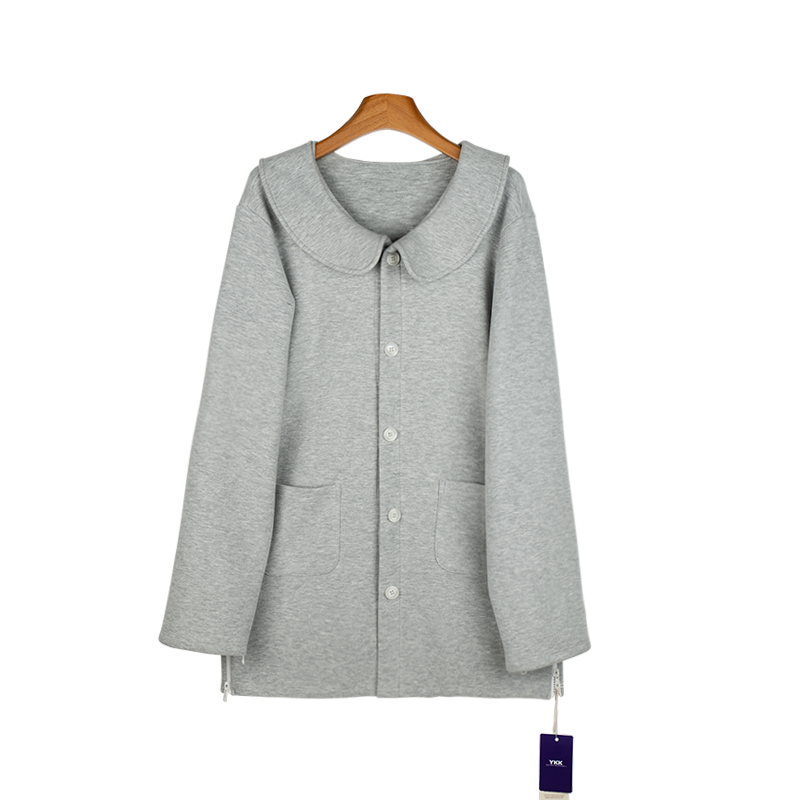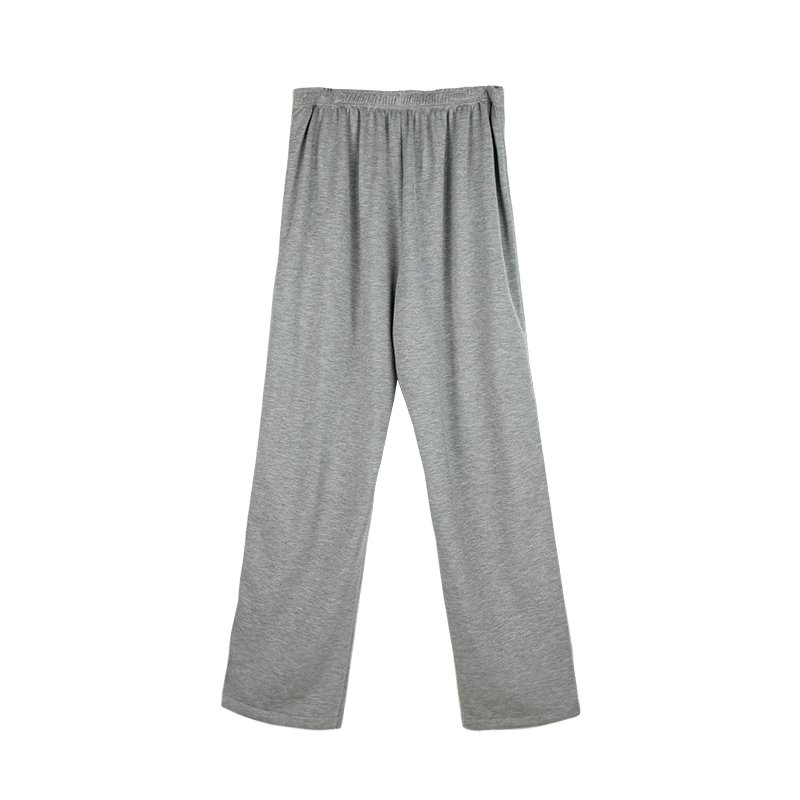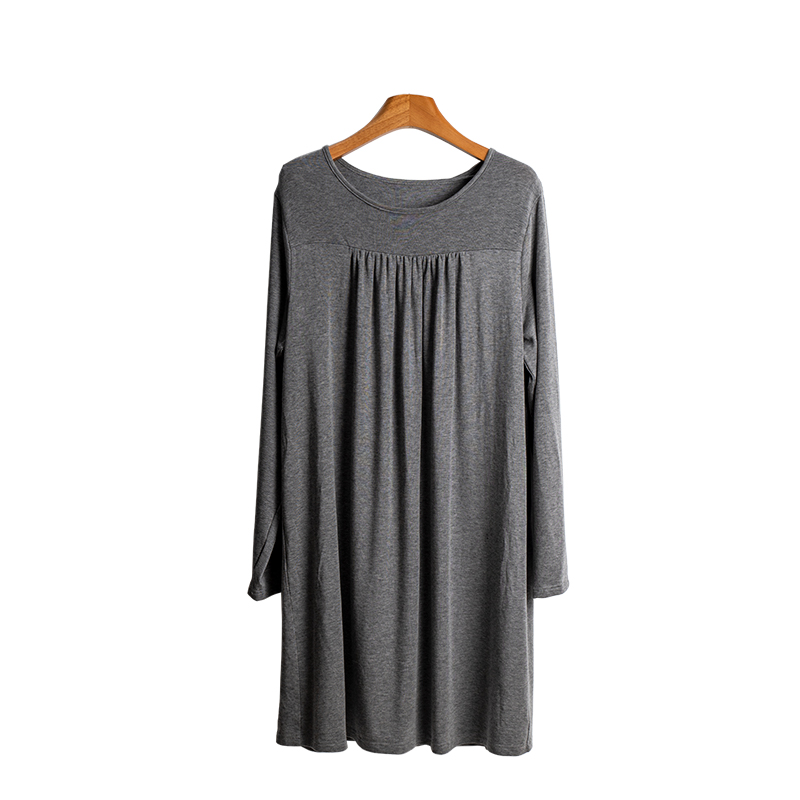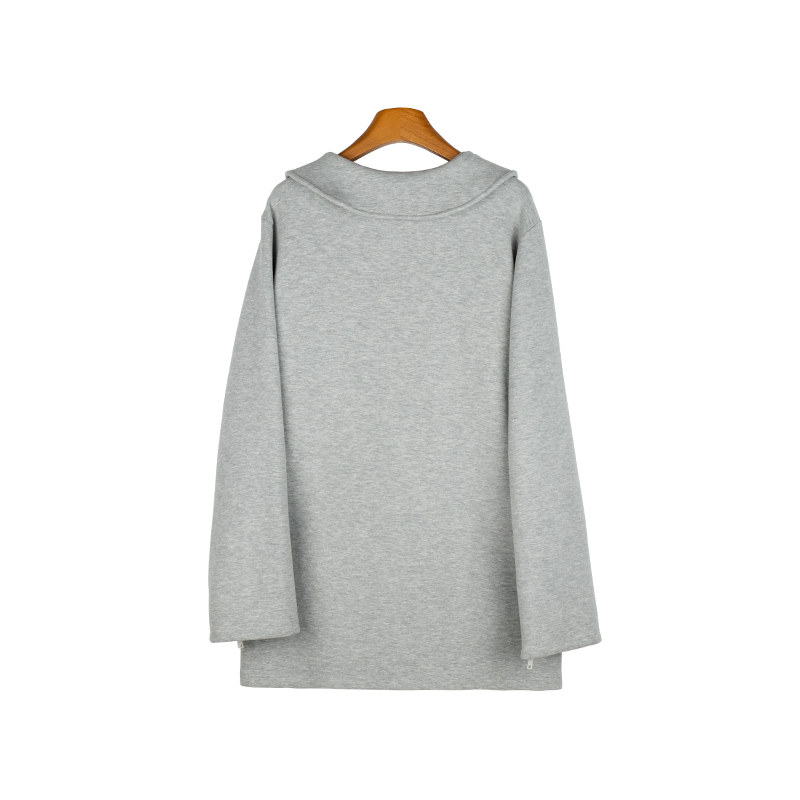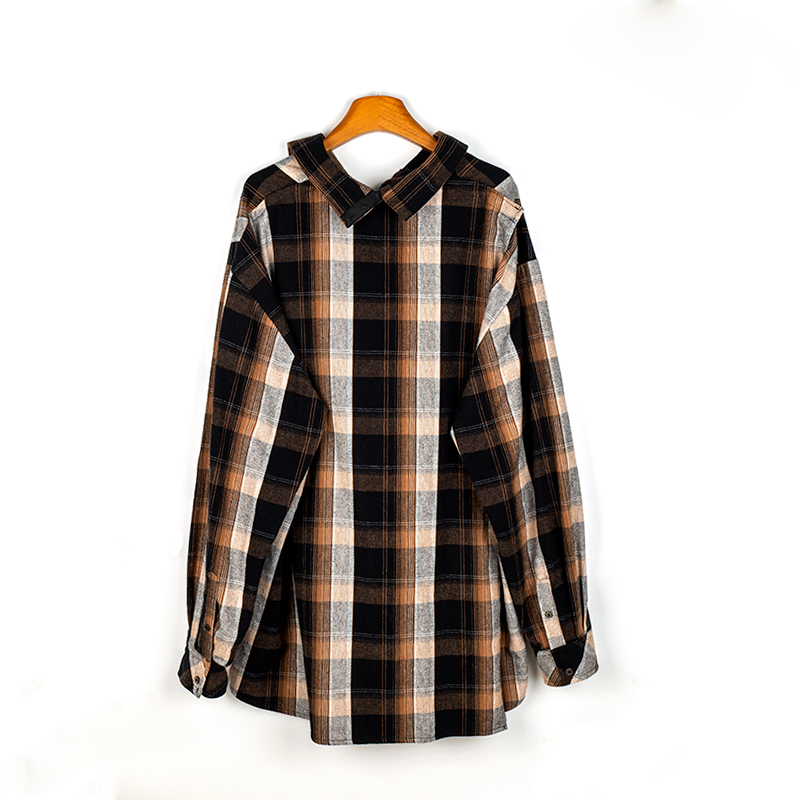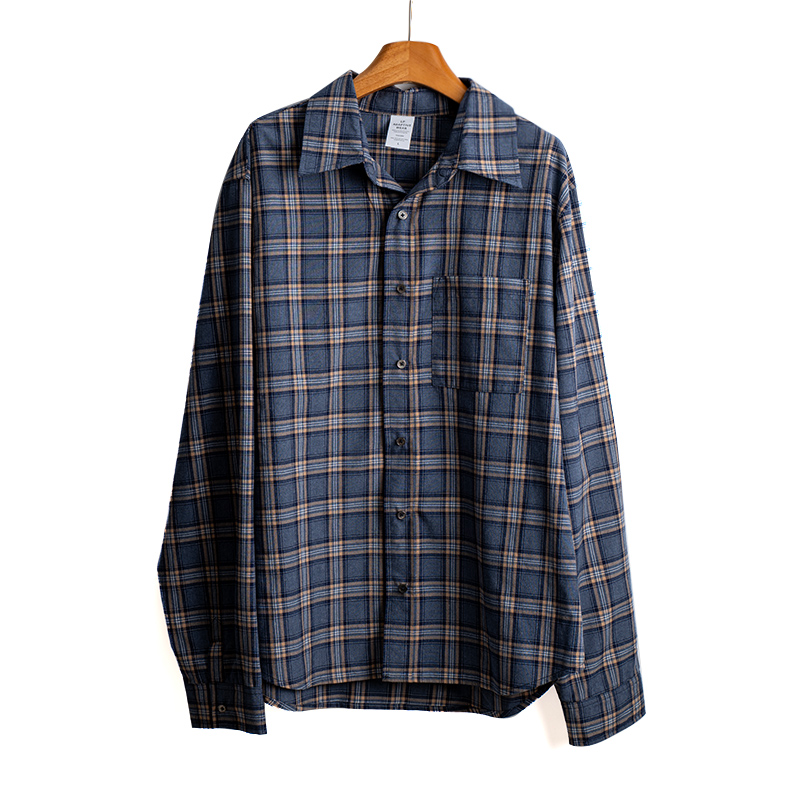


We manufacture adaptive garments engineered to safely dissipate electrostatic charge — protecting patients with sensitive implantable medical devices from electrostatic discharge (ESD).
✔ ESD-Safe Fabric Engineering
Carbon-fibre interwoven and conductive-thread textiles dissipate static charge safely
✔ Protection for Implantable Devices
Designed for patients with pacemakers, ICDs, insulin pumps, cochlear implants, and neural stimulators
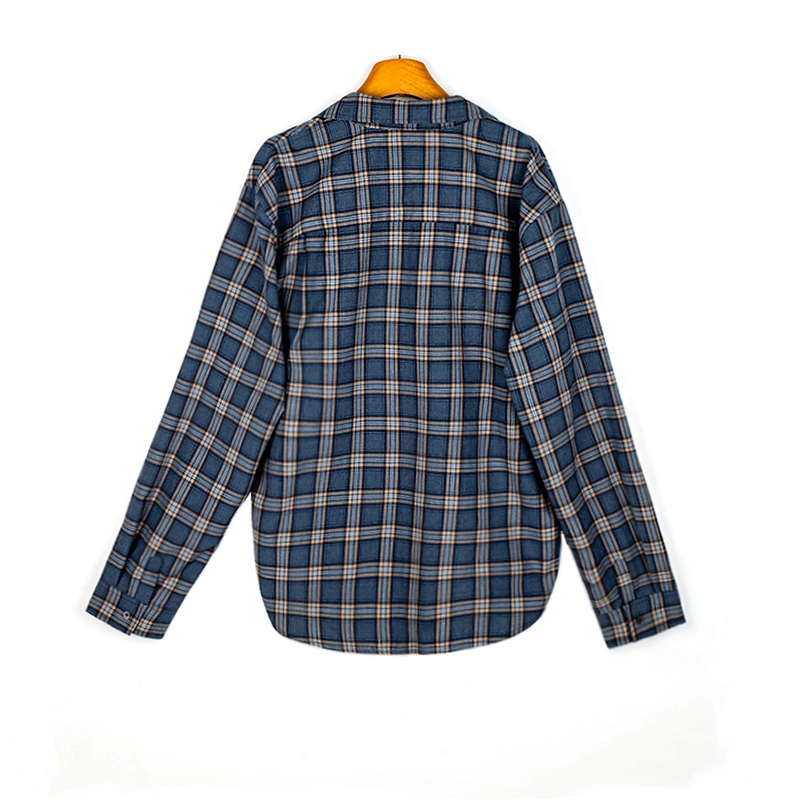
The Technology
Three-stage electrostatic protection — from charge accumulation prevention
through safe dissipation to documented compliance verification.
01
You buy direct from the manufacturer — eliminating distributor, agent, and trading company margins that inflate cost without adding value. FOB pricing is transparent, competitive, and available with confirmed volume pricing tiers for annual supply programs.
02
Every product in our range is available as a white-label or private-label product under your brand — with your labels, your packaging, your branding system. We manufacture; your customers see your brand. No co-branding, no factory marks, complete brand integrity.
03
Healthcare distribution requires documentation chains. We supply the full package — fabric certifications, test reports, supplier declarations, compliance documentation — enabling you to pass product verification at every point in your procurement and resale process.
Clinical Environments
ESD-safe garments are required wherever implanted electronic medical devices are present
in the patient, in the clinical environment, or in the equipment being used for clinical care.
Up to 80% of MS patients experience Uhthoff's phenomenon — neurological symptom worsening with even 0.5°C temperature rise. High-MVTR and PCM fabrics are the most effective passive thermal management strategy for MS patients during daily activities.
Static discharge causes cochlear implant processor deactivation, programming loss, and in worst cases component damage — a particular risk for plastic playground equipment, trampoline surfaces, and synthetic fabric garments. ESD-safe clothing eliminates the garment as a static source for cochlear implant users.
Insulin pump patients with ESD sensitivity concerns — particularly during exercise, when static generation is elevated — benefit from ESD-safe base layers and active wear that prevents the pump controller and sensor from being exposed to static charge during daily activity.
Spinal cord stimulator, deep brain stimulator (DBS), and vagus nerve stimulator patients require ESD-safe garments to prevent static interference with stimulation parameters — which can cause unexpected stimulation changes, discomfort, or temporary loss of therapeutic benefit.
EP lab staff and patients undergoing cardiac electrophysiology studies require Class 0 ESD garments — the mapping and ablation equipment used in EP labs is sensitive to electrostatic interference that can generate artifacts in intracardiac electrogram recordings.
Theatre staff require ESD-compliant garments when working near electronic anesthesia delivery systems, cardiac monitoring equipment, implantable device programming wands, and during implanted device procedures where static from staff clothing can contaminate the sterile field or device interface.
Intensive care environments with high concentrations of electronic monitoring equipment — cardiac telemetry, ventilator management systems, hemodynamic monitoring — require ESD-controlled garments for staff interacting with patients connected to sensitive equipment.
Myoelectric prosthetic limb users experience static interference with control system signal quality from conventional garments — ESD-safe adaptive clothing at the garment-prosthetic interface eliminates static as a source of control signal artifact and unexpected limb movement.
We provide high-capacity OEM and Private Label solutions for the global adaptive market.
By merging medical-grade functionality with retail quality, we deliver durable, accessible
apparel engineered for healthcare excellence and brand growth.
Patient Populations
Any patient living with an implanted electronic medical device is a candidate for ESD
-safe adaptive clothing — particularly where conventional adaptive garments use
synthetic fabrics with high triboelectric charge generation potential.
The highest-priority ESD adaptive clothing user group — pacemaker-dependent patients for whom ESD-induced pacemaker inhibition carries the highest clinical risk. Class 1 specification as standard daily wear recommendation.
Implantable cardioverter-defibrillator patients — inappropriate shock delivery triggered by ESD is a documented, distressing, and clinically hazardous event that anti-static garments are specifically designed to prevent.
Static-induced cochlear implant deactivation is a common complaint — particularly in children where synthetic clothing and play environments generate high static. ESD-safe adaptive clothing eliminates the garment as a static source.
Type 1 diabetes patients with insulin pump and CGM systems — ESD-safe clothing prevents static interference with pump programming and CGM sensor calibration, particularly during physical activity.
Spinal cord, deep brain, and vagus nerve stimulator patients — ESD-safe garments prevent parameter interference that can cause unexpected stimulation changes, pain, or loss of therapeutic benefit.
Advanced prosthetic limb users whose myoelectric control systems can be disrupted by static from conventional garments — ESD-safe clothing at the prosthetic interface eliminates garment static as a control signal artifact source.
Clinical staff in operating theatres, electrophysiology labs, and ICU environments — IEC 61340 Class 0 garments required for all personnel in close proximity to sensitive implanted device programming and cardiac monitoring equipment.
Paediatric cochlear implant and cardiac device patients — particularly vulnerable as children generate higher static charge through play activities and are more likely to wear synthetic garments. Specialist small-size ESD adaptive clothing range available.
Anti-static medical clothing is designed with special fabrics that prevent the buildup of static electricity, reducing sparks and protecting sensitive environments such as hospitals, laboratories, and operating rooms.
These garments are ideal for healthcare workers, laboratory staff, cleanroom personnel, and anyone working in sensitive medical or electronic environments where static control is critical.
We produce lab coats, scrubs, patient care uniforms, jackets, and adaptive medical wear with integrated anti-static properties for safe and hygienic operations.
They protect patients, staff, and sensitive equipment from static discharge, reduce contamination risks, and maintain compliance with safety and cleanroom standards.
Yes, we provide customization in fabric selection, garment design, closure types, and adaptive features while ensuring static control performance.
Absolutely. We provide complete OEM and private label solutions, including custom branding, labels, packaging, and scalable production for medical and healthcare brands.
Yes, we use soft, breathable, and durable fabrics that combine comfort with safety, ensuring long-lasting performance in demanding healthcare environments.
Yes, we specialize in large-scale production and global shipping, ensuring consistent quality, competitive pricing, and reliable delivery for B2B clients worldwide.
Send us your tech pack, product specs, or project requirements.
We’ll review everything and provide a detailed quote with MOQ
pricing, timeline, and sample costs.