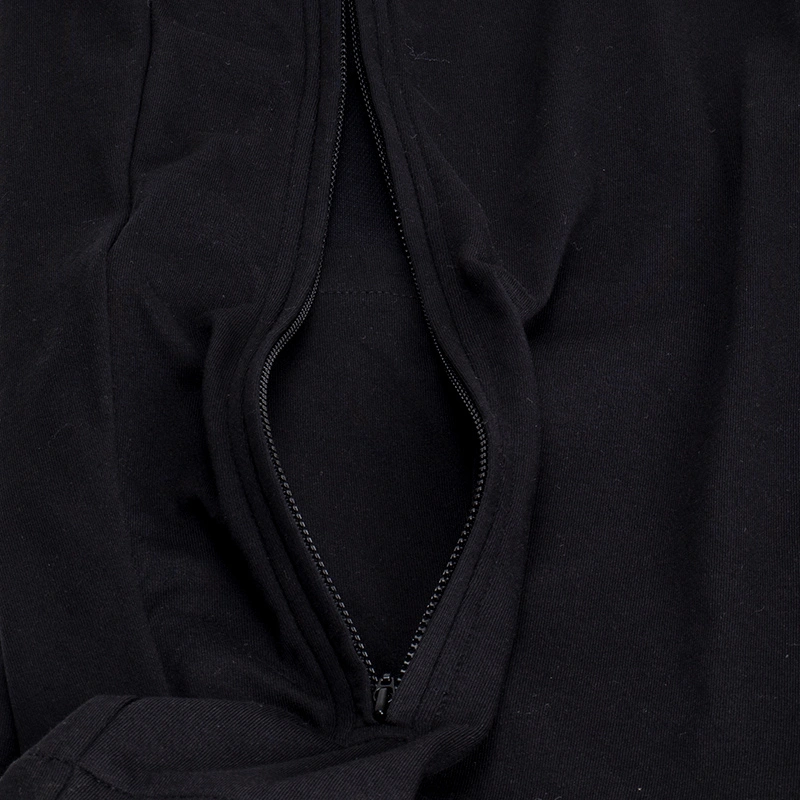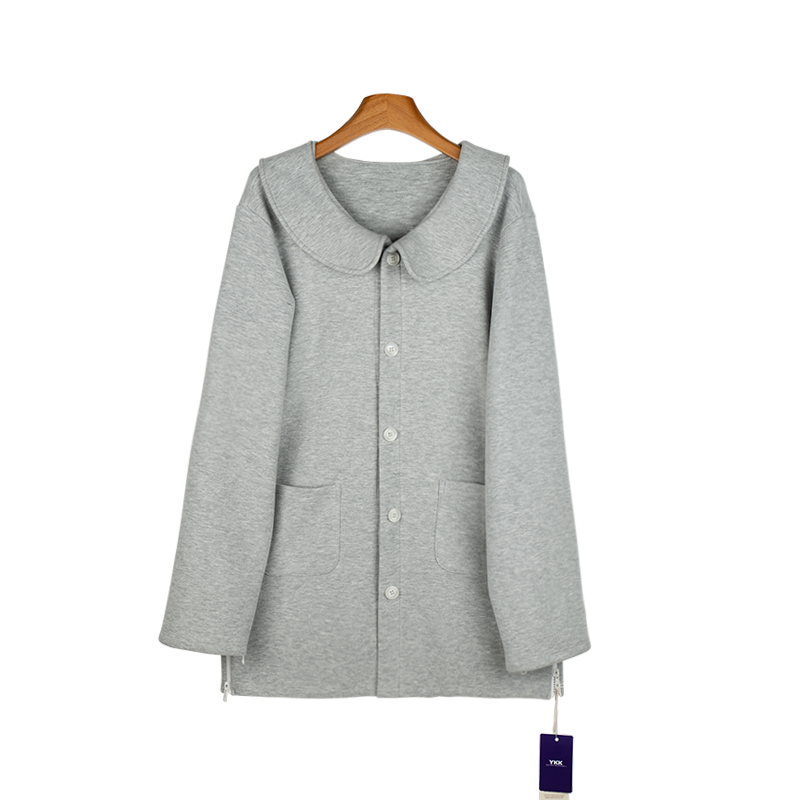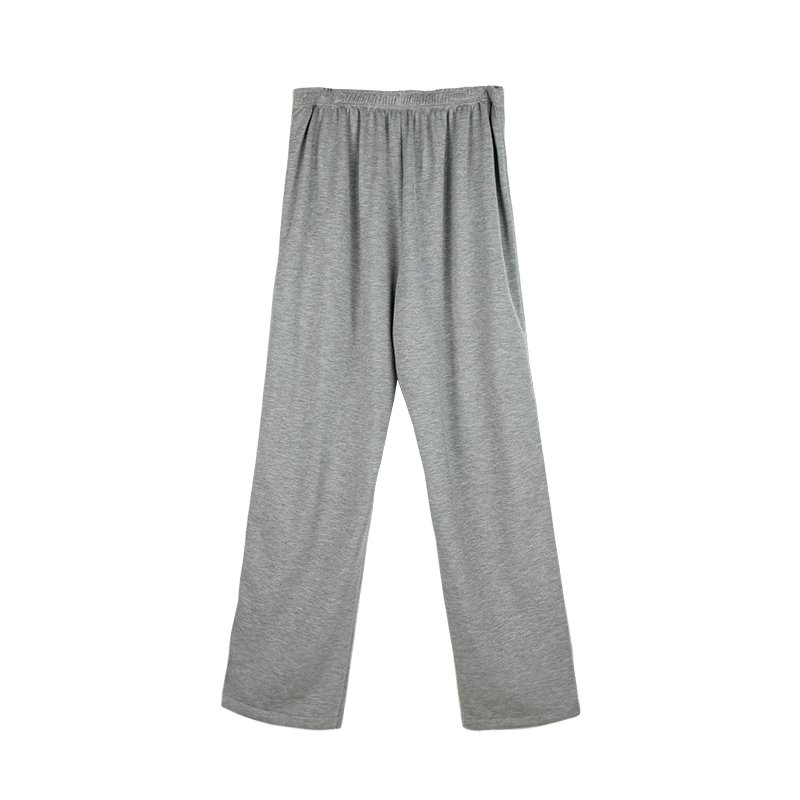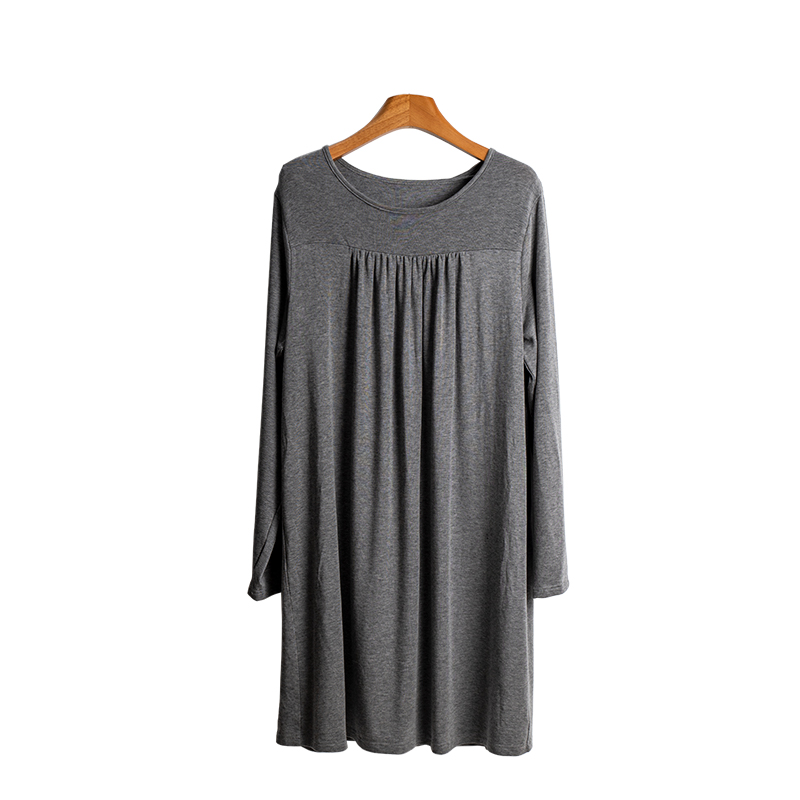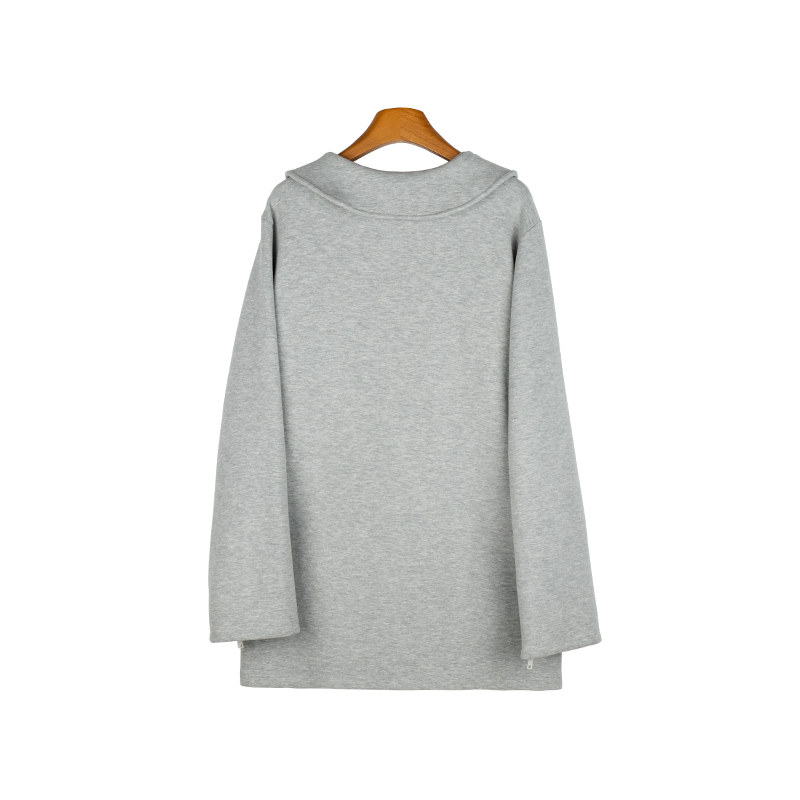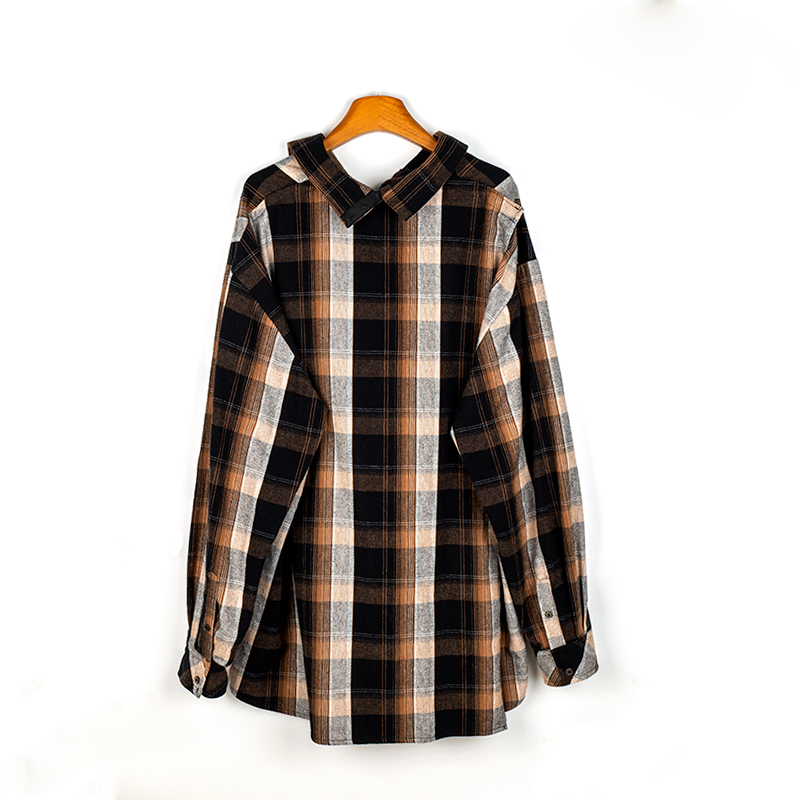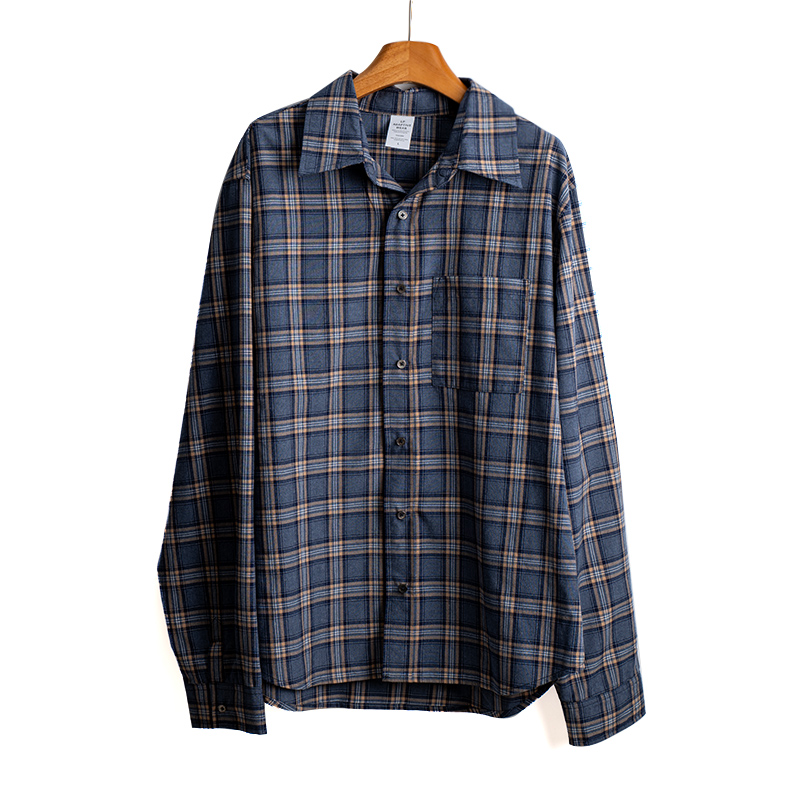


We manufacture adaptive garments engineered specifically for memory care and dementia environments — featuring hidden back-zip fastening systems, secure internal pocket construction, and safety-focused closures that help prevent unsupervised undressing.
✔ Dementia-Safe Closure Systems
Hidden back-zip designs reduce the risk of self-undressing and wandering-related incidents
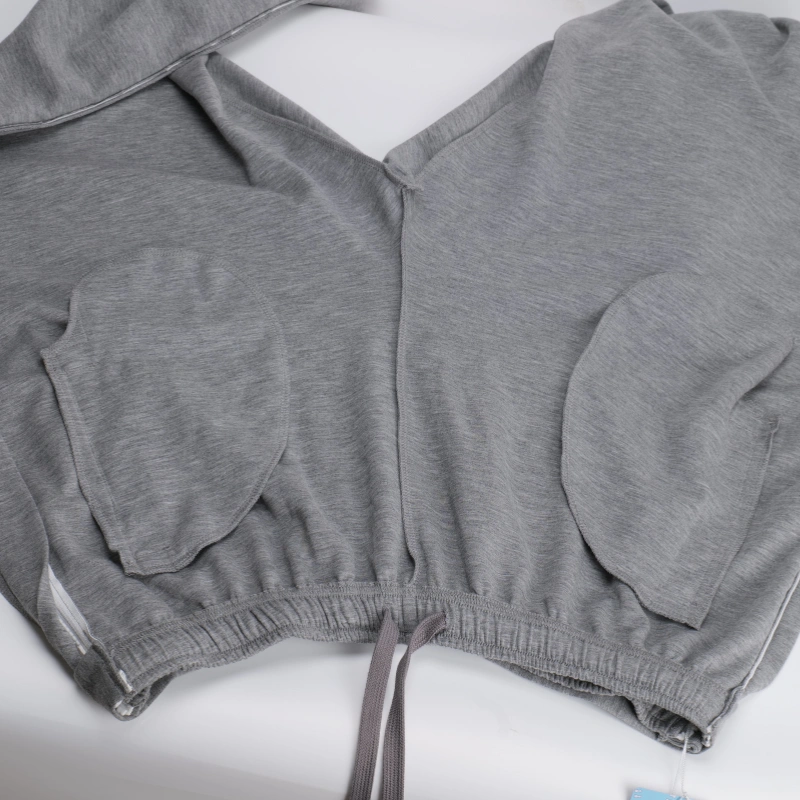
✔ Secure Internal Pocket Engineering
Prevents access to incontinence products or medical items, ensuring hygiene and safety
✔ Dignity-Preserving Design
Looks like regular clothing with no visible clinical features
✔ Caregiver-Friendly Functionality
Allows controlled access for dressing, undressing, and care routines
Clinical & Care Benefits
Anti-wandering clothing generates measurable, documented improvements
across resident safety, staff workload, care quality metrics, and family
satisfaction — all simultaneously.
Back-zip and internal fastening systems effectively eliminate self-removal for the vast majority of dementia patients — documented by care facilities as reducing redressing incidents from 3–5 per day to near zero within the first week of implementation.
Eliminating 3–5 daily redressing incidents, each taking 10–15 minutes, recovers over an hour of care staff time per resident per day — time that can be redirected to quality engagement, other residents, and more meaningful care activities.
The garment looks and feels like normal clothing — residents, family visitors, and other residents see only a normally dressed person. The security system is invisible, creating no stigmatizing appearance or institutional labeling of the wearer.
Unsupervised undressing in elderly dementia patients — particularly at night or during outdoor periods — creates real hypothermia risk. Anti-wandering garments eliminate the mechanism by which this risk arises without requiring continuous 1:1 supervision.
Family members visiting memory care units are often deeply distressed by witnessing their loved one in a state of undress. Anti-wandering garments eliminate the likelihood of family visits coinciding with undressing incidents — improving the emotional quality and frequency of visits.
Care Quality Commission and equivalent inspection frameworks assess dignity preservation and safety management in memory care units. Anti-wandering garments represent a documented, dignity-preserving approach to a known care challenge — supporting positive inspection outcomes.
The frustration and distress of repeatedly being redressed can itself escalate agitation in dementia patients. Anti-wandering garments break this cycle — residents who cannot remove clothing gradually show reduced agitation around clothing as a trigger, as the behaviour pathway is no longer reinforced.
Anti-wandering nightwear with back-fastening snap systems provides overnight clothing security without any restraint element — residents can move freely in bed and the fabric is soft and comfortable, but the nightgown or pajama top cannot be removed without caregiver assistance.
Who We Serve
Anti-wandering garments are required wherever individuals with dementia
or cognitive conditions live, receive care, or engage in supervised activities
across the full spectrum of memory care settings.
Dedicated Memory Care
Purpose-built dementia wards and memory care units within nursing homes — typically requiring a comprehensive anti-wandering wardrobe program covering day wear, nightwear, and outerwear for all residents with active undressing behaviour.
Residential Care
Locked dementia care facilities where resident safety is the primary operational concern — anti-wandering garments form part of the overall safety and dignity management protocol alongside environmental and supervision measures.
Hospital Setting
NHS and private hospital dementia-specific wards and acute medical wards managing patients with cognitive impairment — where undressing behaviour creates clinical complications during procedures and treatment.
Community Care
Dementia day care programs and respite services providing supervised care during daytime hours — where anti-wandering garments for the day period are supplied by families or provided by the service.
Family Care
Family carers providing home-based support for relatives with dementia — anti-wandering garments provide overnight and unsupervised period security without requiring continuous presence for clothing management.
Specialist Assessment
Specialist neuropsychiatric assessment and treatment units managing complex dementia presentations — requiring clinical-grade anti-wandering garments developed in consultation with occupational therapy teams.
We provide high-capacity OEM and Private Label solutions for the global adaptive market.
By merging medical-grade functionality with retail quality, we deliver durable, accessible
apparel engineered for healthcare excellence and brand growth.
Approach Comparison
How do dignity-preserving anti-wandering garments compare against other
approaches to managing undressing behaviour in dementia care environments?
|
|
|
|
|---|---|---|---|
|
|
|
|
|
|
|
|
|
|
|
|
|
|
|
|
|
|
|
|
|
|
|
|
|
|
|
|
What Memory Care Teams Say
We implemented the back-zip tops across our 22-bed dementia unit six months ago. What had been a daily 45-minute challenge on every shift has become a non-issue. The residents look normal, the families haven’t even noticed anything has changed — and our staff have meaningful time back every day.
The critical thing for us was dignity. We tried other solutions but they all looked institutional or drew attention to the resident’s condition. These garments look completely normal — our residents’ families have actually commented that their loved ones seem better presented than before. That says everything..
From an occupational therapy perspective, these garments represent the right approach — addressing the behaviour while preserving identity and personhood. The back-zip system is not a restraint; it’s a quiet, invisible layer of safety that gives residents the dignity of appearing normally dressed throughout their day.
Explore More
Full OEM manufacturing overview — all adaptive features, products, and global supply capability.
Bulk magnetic closure garment supply programs for nursing homes and care facilities.
Clinical magnetic closure garments for rehab brands — post-surgical and neurological recovery wear.
Magnetic closure adaptive clothing programs for assisted living and retirement communities.
Anti-wandering pocket clothing is designed with secure or hidden pockets that help prevent patients—especially those with dementia or cognitive conditions—from removing essential items or accessing unsafe objects.
These garments are ideal for individuals with Alzheimer’s, dementia, or cognitive impairments in nursing homes, assisted living facilities, and home care environments.
We manufacture adaptive tops, pants, patient gowns, and sleepwear with specially designed pockets that enhance safety and functionality.
The secure pocket design limits access to personal or medical items, reducing risks such as accidental removal of devices, loss of belongings, or unsafe handling of objects.
Yes, we offer full customization including pocket size, placement, closure type (hidden zippers, Velcro, snaps), and garment style based on your requirements.
Our clothing is made from soft, breathable, and durable fabrics suitable for sensitive skin, with options for antimicrobial and easy-care finishes.
Absolutely. We provide complete OEM and private label services, including custom branding, labels, packaging, and scalable production.
Yes, we specialize in bulk manufacturing and international shipping, ensuring reliable supply and competitive pricing for B2B clients worldwide.
Send us your tech pack, product specs, or project requirements.
We’ll review everything and provide a detailed quote with MOQ
pricing, timeline, and sample costs.