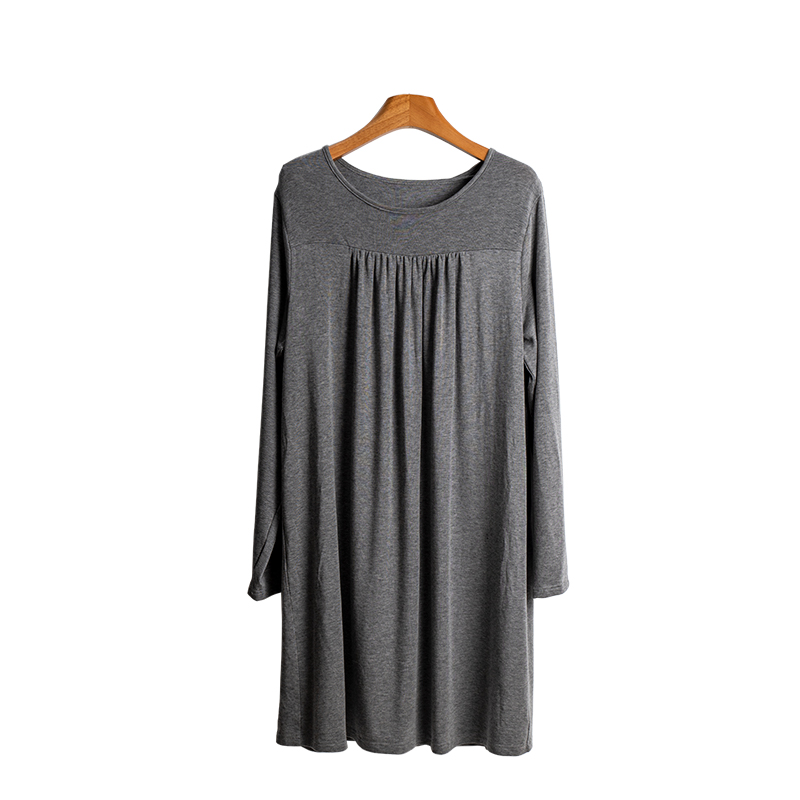
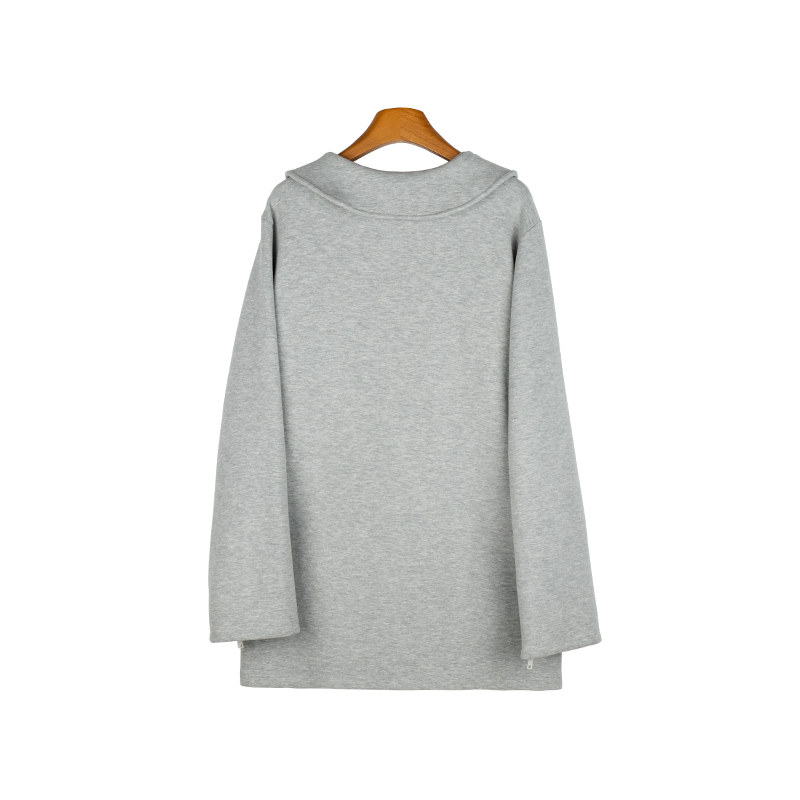
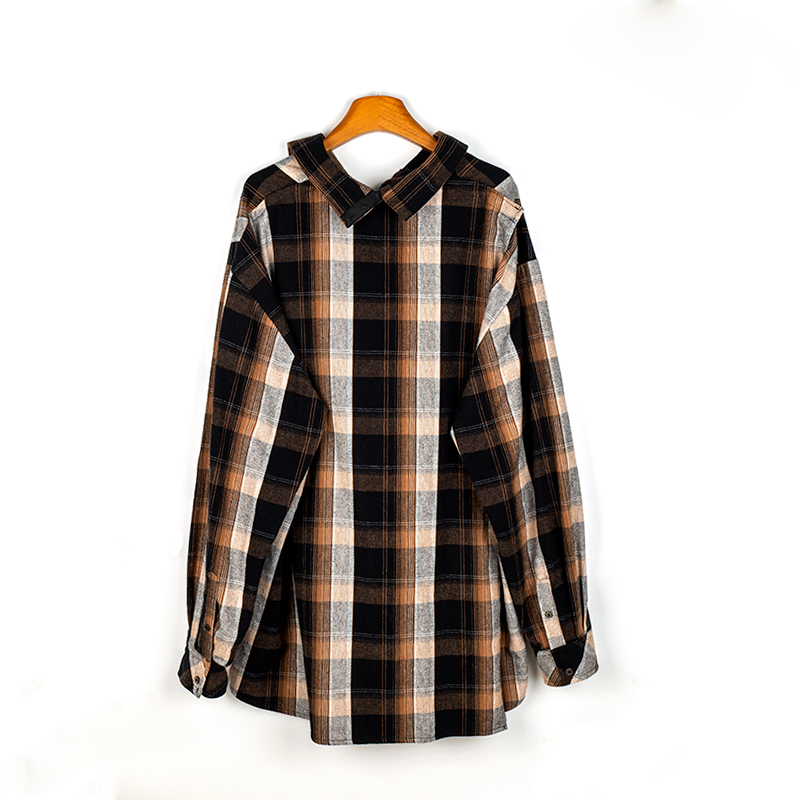
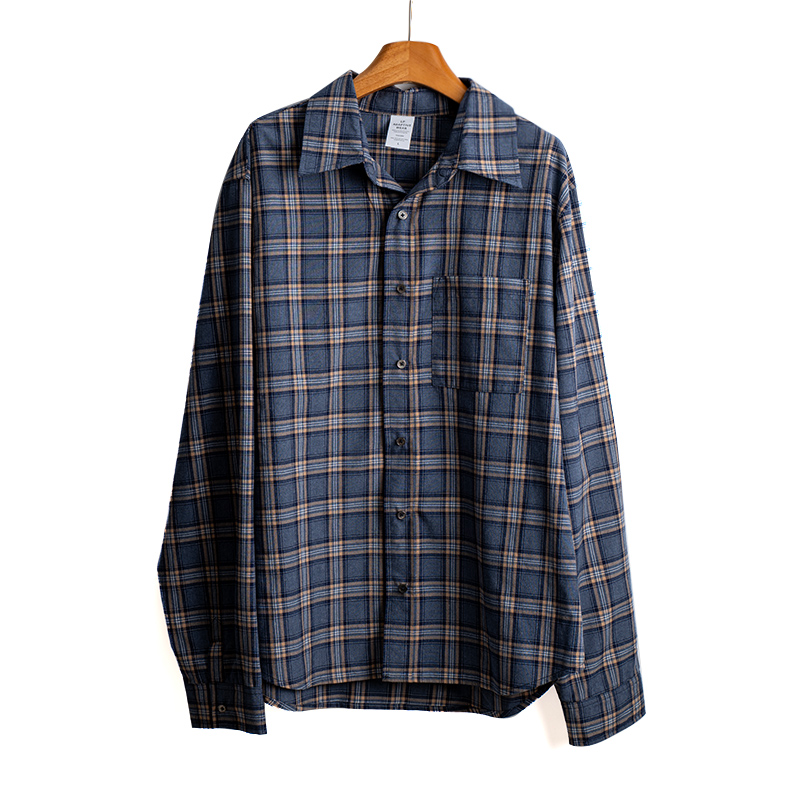
Special Function Custom Development
We manufacture adaptive garments engineered with advanced thermal regulation technologies — including PCM phase-change materials, certified Merino wool, and high-performance moisture-vapor transmission fabrics.
✔ Advanced PCM Thermal Technology
Phase-change materials absorb, store, and release heat to maintain stable body temperature✔ Climate-Adaptive Fabric Performance
Responds dynamically to temperature changes for all-day comfort✔ Moisture & Heat Management
Breathable textiles regulate humidity and prevent overheating✔ Clinically Relevant for High-Risk Patients
Ideal for elderly care, MS, spinal injuries, and thermoregulation disorders
Clinical Conditions
Conditions That Cause Thermoregulation Impairment
These are the conditions where thermal regulation adaptive garments are not a comfort option they are
a clinically appropriate intervention for patients whose thermoregulation physiology is impaired.
Cardiac Device Patients
Pacemaker and ICD patients are the primary user group. Static discharge from conventional clothing is a documented cause of pacemaker inhibition and inappropriate ICD shock in published clinical literature — ESD-safe garments are the appropriate daily wear specification for all pacemaker and ICD patients.
Spinal Cord Injury (SCI)
SCI impairs thermoregulatory sweating and vasomotor responses below the level of injury — leaving patients unable to manage temperature through the paralyzed body region. PCM garments for the lower body provide essential thermal buffering that the nervous system can no longer manage.
Age-Related Thermoregulation Decline
Reduced sweat gland density, impaired vasodilation, and decreased metabolic heat production make the elderly particularly vulnerable to both hypothermia and hyperthermia. Over 60% of nursing home residents have clinically relevant thermoregulation impairment.
Parkinson's Disease
Autonomic nervous system dysfunction in Parkinson's disrupts sweating, vasomotor regulation, and circadian body temperature rhythms — causing episodic hyperhidrosis, cold extremities, and unpredictable temperature dysregulation throughout the day.
Medication-Induced Impairment
Anticholinergics, beta-blockers, tricyclic antidepressants, and antipsychotics impair sweating and vasomotor thermoregulation. Many elderly care home residents taking multiple medications have iatrogenic thermoregulation vulnerability requiring active garment management.
Hypothyroidism
Reduced metabolic rate in hypothyroidism reduces endogenous heat production — leaving patients chronically cold at ambient temperatures comfortable for others. Thermal-retaining Merino wool adaptive garments provide essential passive warmth for hypothyroid patients on or awaiting treatment.
ICU & Cardiac Monitoring Units
Intensive care environments with high concentrations of electronic monitoring equipment — cardiac telemetry, ventilator management systems, hemodynamic monitoring — require ESD-controlled garments for staff interacting with patients connected to sensitive equipment.
Post-ICU Autonomic Dysfunction
Post-intensive care syndrome includes autonomic nervous system disruption — survivors of prolonged critical illness frequently present with thermoregulation impairment during their rehabilitation period that may persist for months following ICU discharge.
Performance Comparison
Thermal Regulation vs. Standard Adaptive Clothing
The clinical difference between thermoregulation fabrics and standard adaptive
garments becomes critical for patients with conditions that impair their body’s
natural temperature management systems.
| Criteria | ★ Thermal Regulation Clothing | Standard Adaptive Clothing | Generic Care Home Clothing |
|---|---|---|---|
| Active temperature buffering | ✔ PCM: active ±1.5°C buffer | ✗ Passive insulation only | ✗ No thermal management |
| Performance for MS patients (Uhthoff’s) | ✔ High-MVTR & PCM — evidence-based | ✗ No heat prevention function | ✗ May worsen heat accumulation |
| Ambient temperature comfort range | ✔ Merino: 15–35°C natural range | ◑ Cotton: narrow comfort range | ✗ Often narrow or synthetic |
| Night temperature management | ✔ PCM/Merino nightwear range | ◑ Static insulation only | ✗ Not specified for thermoregulation |
| Wash durability of thermal function | ✔ PCM 200+ cycles; Merino permanent | ◑ Not applicable | ✗ Not applicable |
| Certified fabric documentation | ✔ Outlast® license + ZQ + OEKO-TEX | ◑ Fabric cert only | ✗ Often uncertified |
| Moisture management for overheating | ✔ High-MVTR — vapor transport | ◑ Basic moisture management | ✗ Often traps moisture |
| Combined with adaptive closures | ✔ All closure types available | ✔ Yes | ◑ Limited adaptive options |
Core Adaptive Design Features We Manufacture
Our most-requested functional designs for medical
rehabilitation, and long-term care applications
Precision ManufacturingUtilizing state-of-the-art machinery to ensure every seam meets the high-durability requirements of adaptive garments.
Meticulous Quality ControlExpert technicians perform hand-measurements and rigorous inspections to guarantee perfect fit and sizing accuracy.
Reinforced Seam TechnologySpecialized stitching techniques designed to provide maximum strength and skin-friendly smoothness at every join.
R&D and PrototypingDedicated sampling and development areas where new adaptive designs are brought from concept to production-ready samples.
Automated Production LinesScalable manufacturing solutions that leverage automation to provide high-volume production with consistent quality.
Global OEM Supply ChainA world-class manufacturing facility capable of managing large-scale global orders for wholesale and private label clients.
Explore More
Related Adaptive Clothing Technologies
Adaptive Clothing Manufacturer
Full OEM manufacturing overview — all adaptive features, products, and global supply capability.
Nursing Home Clothing Supplier
Bulk magnetic closure garment supply programs for nursing homes and care facilities.
Rehabilitation Brand OEM
Clinical magnetic closure garments for rehab brands — post-surgical and neurological recovery wear.
Senior Living Facility Supplier
Magnetic closure adaptive clothing programs for assisted living and retirement communities.
Frequently Asked Questions
What is thermal regulation fabric clothing?
Thermal regulation clothing is made from specialized fabrics that help maintain optimal body temperature by keeping the wearer warm in cold environments and cool in warmer conditions, enhancing comfort and safety.
Who benefits from thermal regulation clothing?
Ideal for elderly residents, patients in rehabilitation, healthcare workers, and anyone in care facilities who require consistent body temperature management for comfort and health.
What types of garments are available with thermal regulation fabrics?
We manufacture adaptive tops, pants, jackets, patient wear, sleepwear, and rehabilitation garments using breathable, moisture-wicking, and temperature-regulating fabrics.
How does thermal regulation clothing improve patient care?
It helps prevent discomfort, chills, overheating, and temperature-related stress, supporting overall wellbeing and reducing health risks in vulnerable populations.
Can the fabrics and garment design be customized?
Yes, we offer full customization including fabric type, garment style, adaptive features, sizing, and private label branding based on client requirements.
Do you offer OEM or private label manufacturing?
Absolutely. We provide complete OEM and private label solutions, including product development, branding, custom labels, packaging, and bulk production.
Are these fabrics safe and skin-friendly?
Yes, we use breathable, soft, and durable fabrics that are gentle on sensitive or elderly skin while providing excellent thermal regulation properties.
Do you support bulk orders and international distribution?
Yes, we specialize in large-scale production with reliable global shipping, ensuring consistent quality, competitive pricing, and timely delivery for B2B clients.
Ready to Start Your Clothing Line?
Send us your tech pack, product specs, or project requirements.
We’ll review everything and provide a detailed quote with MOQ
pricing, timeline, and sample costs.