

Sensory-friendly clothing is rooted in a basic idea – for many individuals, an ill-fitting or poorly constructed garment is not only a mild annoyance, but an active disruption. The scratchy tag is rubbing against the back of the neck. The seam is pressing against the shoulder blade on every move. The tight elastic creates a constant sensation of pressure around the waist. The rough-feeling fabric feels like sandpaper despite looking soft in the picture. For most people, this would be a mild irritation that fades away after a few minutes. For individuals who are more sensitive to sensory experiences, especially those with sensory processing issues, autism, ADHD, or similar, these sensations don’t fade away – instead, they continue, taking up cognitive bandwidth that could otherwise be used elsewhere.
The way this is addressed in sensory-friendly clothing is by eliminating all the triggering elements through construction of the garments themselves – by removing the need for the wearer to adapt to irritating clothes, and instead providing garments that do not irritate their nervous system. Tagless design. Flat seams. Skin-soft fabrics. Comfortable fits.
In this guide, we will explain what sensory-friendly clothing is on the construction level, who it benefits, why it benefits them, and which specific elements of sensory-friendly clothing to look for.
It helps to understand what makes some clothes sensory-unfriendly and what makes them truly sensory-friendly to know what really makes certain clothes sensory-friendly. It allows distinguishing between clothes that have a sensory-friendly design and clothes that use sensory-friendly terminology without being actually sensory-friendly.
The neurological systems of autistic individuals, people with ADHD, and people with sensory processing issues respond to tactile inputs differently than neurotypical bodies do. People with tactile defensiveness (a condition associated with higher sensitivity to touch stimuli) experience it in a way that signals that should be ignored by the nervous system are not ignored. The seam at the bottom of the collar, which neurotypical individuals stop paying attention to in 30 seconds after putting the shirt on, stays in their consciousness for a very long time. Imagine this for all seams — collar, shoulder, side, waistband, cuffs, socks, and underwear. Getting dressed turns into negotiations with clothes that keep your attention.
And this is not a matter of personal preference but a neurological condition that affects the way one filters information. This condition influences people’s ability to work, study, communicate, and perform other activities because their brain has to work harder than it would normally in order to ignore the stimuli.
Who Needs Sensory-Friendly Clothing
The first group of individuals that would need sensory-friendly clothing would be neurodivergent, but this term is broader than autism, and even though the market is predominantly geared towards children, there are many adults who would need it.
There are clear sensory processing issues described in the diagnostic criteria for autism. One of the most common sensory experiences for people with autism is tactile sensory issues that could include oversensitivity to textures and certain fabrics that would cause extreme discomfort. In the case of autistic people, their nervous system tends to receive excessive stimuli, and therefore, the clothes that provide the minimum possible touch sensations are needed. Other people may need more stimulation through deep pressure input or proprioceptive feedback provided by clothes.
People with ADHD and sensory sensitivity often go together, and people with ADHD have specific issues with clothes. It means that people with ADHD do not experience sensory overstimulation due to one particular stimulus. In the case with AD/HD, the nervous system cannot filter the sensory stimuli over time. It means that people with ADHD tend to have more problems in the afternoon when they lose their filtering capacity, along with the loss of executive function and attention. It means that sensory-friendly clothes for people with ADHD should be able to provide less stimuli that accumulate filtering load throughout the day.
In the case of people with SPD, the condition is not related to ADHD or autism and could occur independently of it. It affects multiple sensory channels, including tactile, auditory, vestibular, and proprioceptive sensations. In the case of tactile SPD, clothing is a problem on a daily basis. The design of clothes should be the same as for autistics and people with ADHD: tagless, flat-seamed, soft, and breathable.
Historically, sensory clothing companies have targeted children with school uniforms, sensory-friendly kids’ clothing, and autism-specific kids’ clothing. The adult market is much bigger and always neglected. Adults with autism, ADHD, and SPD require sensory-friendly clothing for every occasion in their lives – workwear, casual wear, formal wear, and even active wear. They do not belong to some niche case study group when it comes to sensory-friendly clothes. They are the majority in the category of sensory clothing consumers, and they have much more stringent expectations about aesthetics and quality compared to a line of clothing designed for children.
Sensory-friendly clothing has a broader base than just those diagnosed with some kind of neurodivergence. People suffering from various chronic pain disorders, people suffering from fibromyalgia, people suffering from certain autoimmune skin diseases, and people who get tactile sensitivity due to chemotherapy and radiation treatments can all benefit from the same qualities of construction as the neurodivergent people.
It goes without saying that every claim for being sensory-friendly clothing must be supported by construction features. There are six features to look out for in your clothing.
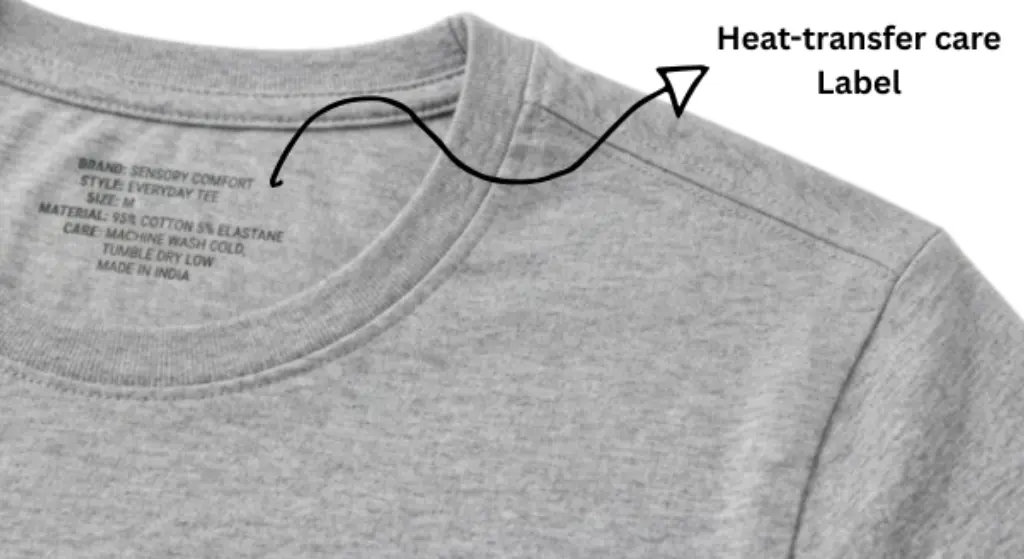
Physical tags, which can be located on the neckline, waist, and side seam, are some of the most commonly mentioned sensory triggers associated with clothing. The problem is not the tag itself, but the tag touching the skin each time the wearer moves. Tagless construction does not have a physical tag but instead features a heat transfer care label printed right on the fabric. The heat transfer care label needs to be tested to determine whether it is smooth enough and does not cause irritation. Poorly done heat transfer care labels can be just as irritating as physical tags.
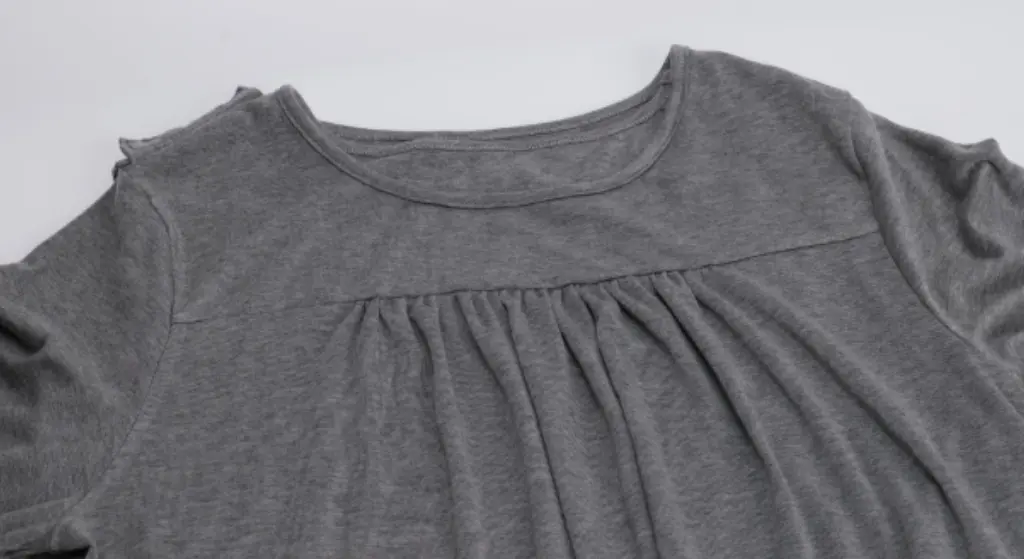
Overlocked seams are common when speaking of regular garment construction — the raw edges are sewn using a zigzag stitch that leaves a raised ridge inside the seam area. In other words, the ridge touches the skin each time there is a seam — at the shoulder area, underarm area, sides, waist, and anywhere where two pieces of fabric are sewn together. Flat locked seams run the seam line parallel to the fabric rather than folded and sewn using an overlock stitch, leaving a smooth seam without any raised ridge. Bonded seams are completely smooth as panels are joined using an adhesive, without any visible or palpable seam structure inside the seam area.
Fabric softness is by far the most widely advertised but least verifiable attribute in sensory clothing. “Soft” as a description of a product means absolutely nothing to a potential buyer. Important things to check are fiber composition, knitted or woven structure of the fabric, and its surface finish. Natural fibers – cotton, bamboo, merino wool – work better for the sensory-skin issues than synthetic fabrics do, but the structure of the knit is equally important to consider. Coarse-knit cotton would still be unfriendly, no matter what type of fiber it is made of. Fine-gauge cotton jersey with an even surface finish could be wonderful. Bamboo jersey is one of the most popular fabrics for sensory clothing due to its natural softness and temperature control capabilities. Even wool can be used in sensory clothing; merino wool, because of its fineness, can feel soft against sensory skin and has natural moisture control properties.
OEKO-TEX Standard 100 certification guarantees that the fabric has been thoroughly checked for the presence of harmful chemicals, which is helpful both for people with sensitivities and for those with sensory issues.
One of the most common issues with sensory clothing, especially for adults, is tight elastic waistbands, cuffs, sock openings, etc. It is not about elastic itself – it is about elastic that creates constant pressure on the same spot on a person’s body. Tight waistband elastic applies constant pressure to the abdomen during the whole day. Cuffs create pressure on the wrist. Socks with elastic create pressure on the ankles or calves. Good quality sensory clothing should have elastic that keeps the garment in place but doesn’t put any pressure on a particular body part. Such an elastic is either softer or more spread across the surface area. The rule of thumb is that if you see that the elastic creates an impression in your skin after wearing, it is too tight for sensory-sensitive individuals.
In addition to elasticity, the way the clothing fits makes the difference between adding and subtracting from the sensory load. Collars that are too tight put pressure on the neck. Shoulder seams in the wrong place move around with every movement of the arms. Leg openings that are too tight create pressure on the calf area. Armholes that are tight limit movement and create constant pressure in the armpit area. Sensory clothing is fitted so that it does not put pressure on the body. The neckline should fit well without pulling or pressure. The armholes need to be wide enough for freedom of movement.
Embroidery, patches, screen prints with textured paint, rhinestones, studs, or embroidery are potentially a lot of sensory triggers, either because of actual contact or because of the visual effect that the sensory sensitive person gets while looking at the garment. Quality sensory clothing is simple in its design with no unnecessary decorations, smooth texture of the material, and printing done with soft, non-rubberized paint.
Sensory Friendly Clothing: Feature Verification Checklist
| Feature | What to Verify | Red Flag |
| Tagless / heat-transfer label | Physical tag fully removed; heat-transfer label surface is smooth and flat | Any physical tag present; raised or rough transfer label surface |
| Flat or bonded seams | Inner seam surface is smooth with no raised ridge at any join | Overlocked seams creating a raised ridge at shoulder, side, or waist |
| Fabric softness | Fiber composition and knit structure specified; OEKO-TEX certified where possible | ‘Soft’ claimed without fiber or construction detail; unknown synthetic blends |
| Elastic pressure | Elastic holds without leaving an indentation after wear; no tight cuffs or sock bands | Elastic marks visible on skin after normal wear duration |
| Fit and pressure points | Neckline sits without pressing; armholes allow full range; no binding at leg or wrist | Tight collar, narrow armhole, cuff or leg opening that restricts or binds |
| Decoration | Garment surface is flat; any print is low-profile; no raised embroidery or appliqué | Raised ink prints, embroidery, studs, or appliqués on body contact surfaces |
Fabric claims in the realm of sensory clothes vary from clear and measurable to practically meaningless. Being able to interpret such claims will save your time and protect you from purchasing products that don’t live up to their labels.
One hundred percent fiber content is one of the most reliable indicators. A fabric called “95% organic cotton, 5% elastane” says clearly what it is. Combining this data with fabric knit structure information – jersey, interlock, rib – will give you a fair idea of the fabric feel. An OEKO-TEX Standard 100 certified fabric means that it was laboratory tested for safety and doesn’t contain pesticides, allergens, or heavy metals. OEKO-TEX Standard 100 does not mean softness, but guarantees that the fabric is safe for direct contact with skin.
“super soft”, “ultra soft”, “buttery soft”. Such marketing claims have no standard meaning, and there is no way to measure them. You either try the fabric or get information on its fiber content from a reputable supplier and forget about those “soft” claims.
The claim “seamless” may be misleading since the definition of a seamless garment varies. Seamless garments are truly seamless since they are knitted without side seams using circular knitting technique and therefore do not have side seam pressure points. When used loosely, the claim “seamless” may refer to a reduction in visibility of outer seams only.
Breathability is another term that may be misleading when it comes to sensory clothing. Typically, natural fiber fabrics are more breathable than synthetic ones, but even the tightly woven natural fabric may become a heat-trapping mechanism if compared to the looser weave of a synthetic one. If in doubt, ask for the fiber content information.
Understanding the Similarities and Differences between Sensory Friendly Clothing and Adaptive Clothing
Sensory-friendly clothing and adaptive clothing refer to similar but different products that should be distinguished from each other in sourcing, since the correct choice is critical for the buyer, depending on their needs.
Firstly, adaptive clothing is developed specifically for individuals experiencing difficulties in dressing due to their body structure. This kind of clothing solves the problem with difficult fastenings that cannot be done by the customer. Secondly, this clothing is designed for people using wheelchairs, which means that it has a different geometry than usual clothing. Thirdly, some individuals may need holes in the clothing for placing the catheter.
In turn, sensory-friendly clothing is designed for individuals suffering from sensory overload problems. Such clothing doesn’t irritate the nervous system and reduces the number of stimuli, which helps these individuals to live a comfortable life.
The common feature of these types of clothes is that they should satisfy the requirements of those people who need both kinds of products at the same time. In such a case, a garment has to correspond to the requirements of two categories of customers. However, there is no standard adaptive clothing satisfying the needs of people with sensory overload problems.
Buyers need to find manufacturers who are able to offer the necessary products with both adaptive and sensory features.
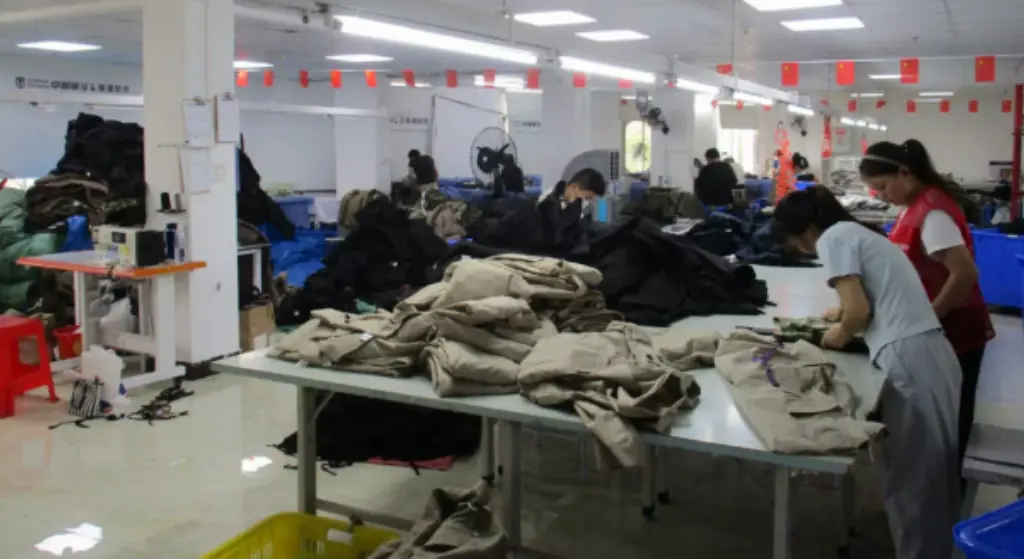
Sourcing of sensory-friendly clothes differs from individual consumer purchasing in that business-to-business procurement includes sourcing for consistent sensory-friendly garments. The buyer procures the sensory clothing garments for disability-friendly retailers, schools, sensory clothing programs, care facilities, or private label companies venturing into the neurodivergent marketplace.
Bulk procurement requires the element of consistency, which is not required when buying individually. Sensory-friendly clothing that works well in a sample batch should work exactly the same in production runs – same fiber composition, same seam construction technique, same label application quality, same elastic type. Sensory-friendly wearers will detect any deviation in a sensory-friendly clothing from what they used previously – seam ridge is slightly bigger than before, difference in the fabric hand in consecutive batches, label application is slightly rougher than before. These are not quality deviations that can be overlooked.
Fabric specification documentation will differentiate the supplier that knows sensory-friendly clothing from one that produces soft garments but calls them sensory-friendly clothing. The supplier of true sensory-friendly clothing will have the capability of providing the fiber content certificates, seam construction technique documentation, and the wash cycle test results on label and seam durability. They are not out of the ordinary request – these are the evidence that B2B sensory clothing buyers should demand.
AdaptiveGarment.com supplies sensory-friendly clothing for business-to-business buyers with complete fabric specification capabilities – including OEKO-TEX certified fabrics, flat seams and bonded seams, tagless heat transfer labels, and a selection of sensory-friendly elastic. The OEM production is done in a minimum quantity of 100 garments per style with full customization on fiber content, construction technique, fit, labeling, and packaging. Combined sensory and adaptive specifications can also be produced in the same production run for buyers who require sensory-friendly garments along with the adaptive dressing feature.
Get a free quotation within 10 minutes: contact us on WhatsApp +8617702035343 or visit adaptivegarment.com/contact
Regular clothing is meant to look good, fit well, and be made efficiently through standard construction techniques, which means overlocked seams, physical labels, and standard elastic. For people with heightened sensory processing abilities, all of those construction features cause constant tactile input that the nervous system cannot filter out. Sensory-friendly clothing utilizes alternative construction features — tagless labels, flat or bonded seams, softer fabrics, lower-pressure elastic — to prevent the triggering sensation at the source.
Not necessarily. While the sensory clothing industry tends to cater specifically to children, there is a demand among all ages, in addition to other demographics. Not only are adults with autism spectrum disorders, attention deficit/hyperactivity disorders, and sensory processing disorders in need of sensory-friendly clothing, but also people who have chronic pain, skin problems, and tactile sensitivities as a result of medical intervention. And the construction qualities which make a piece of clothing sensory friendly — soft fabrics, flat seams, tagless labels — are just superior construction, which many more people prefer, whether or not they have a sensory processing disorder.
Look for these six construction features: Is it truly tagless with a heat-transfer label? Do the inner seams have flat or bonded stitching, with no visible ridge? Is the fiber composition detailed enough for a determination of fabric softness? Is the elastic taut enough to hold its shape without indentation? Is there no pressure at any points in the clothing — collar, arm holes, sleeves, cuffs, or waistband? Is there anything decorative? A garment that does not meet these six criteria based on the manufacturer’s information is simply marketing language.
The best choices are fine-gauge cotton jersey, bamboo jersey, and merino wool fabrics. The three are made of natural fiber, feel soft on the skin, and allow air through all day long. Bamboo jersey additionally has natural moisture-wicking capabilities. Merino wool is not as scratchy because its fibers are fine enough. Synthetic fabrics may also do well if the surface of the material feels smooth and allows air through; however, the combination with natural fibers is more reliable for sensory clothing. OEKO-TEX Standard 100 is the documented guarantee of the fabric being free of harmful substances.
Yes, and that is an important detail for customers whose population requires that combination. It is possible to produce a garment using both sensory construction – flat seams, no tags, soft fabrics, low-pressure elastics – and any number of adaptive dressing features such as magnetic closures, seated fit patterning, or even access slits for medical devices. Many people requiring adaptive dressing features require sensory accommodation as well. The supplier with the capability in both adaptive dressing and sensory clothing can produce one garment that satisfies both needs at once.
I would make sure that they have fiber content certificates for the fabrics, seam construction specifications document, data for wash cycle durability for labels and seams, specification of the elastic material – hardness and pressure rating, as well as samples of the garment built according to the proposed production specification. This manufacturer is going to produce the garments to a certain standard. A manufacturer unwilling to provide these documents freely will not suit this type of clothing production, especially.
Of course, and lots of people do. Sensory-friendly clothing is engineered in such a way that it has the following features: flat seams, tagless labels, natural soft fabric, and low-pressure elastic. These are simply better-engineered clothes that would work best for a much larger population than only those with the diagnosis of some specific disorder. Those who find wearing clothes with tight waistbands uncomfortable at the end of the day, who always cut out tags from their clothes or use clothes made of soft material, are reacting to the same physical sensations that the neurodiverse do not filter out. There is no threshold for diagnosed sensitivity to be eligible to use this kind of clothing.
Temperature regulation is the feature of sensory-friendly clothing that is not discussed enough. Neurodivergent people often experience issues with temperature regulation; they tend to run warm, cool down more slowly, and feel the change in temperature more intensely than neurotypical people. In this way, the piece of clothing that one finds comfortable during a cold morning will become uncomfortable later on during the hot day in the office. The breathability of fabrics is not a comfort option but a sensory necessity. Cotton jersey, bamboo and merino wool will deal with the temperature variations better than synthetic materials that retain heat and moisture on the skin.
