


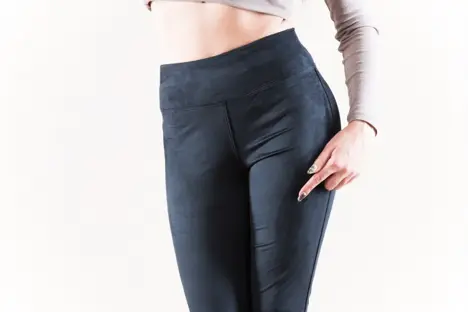
Where typical clothing was not engineered with the idea of being worn with the stoma, with a pouch attached to the body permanently in mind, ostomy clothing solves problems typical of standard clothing that were never meant to occur in the first place — problems like the waistbands and seams pressing directly into a stoma, or no regard for accessing the pouch itself without completely undressing.
This guide provides practical details about what constitutes ostomy-friendly clothing, who it’s best for, how to recognize a good fit or material, and pitfalls that can make life needlessly difficult. It is not intended as a substitute for medical advice, and for specifics related to your unique situation, consult your ostomy nurse or your care team.
While ostomy clothing is its own subcategory of products to choose from, in reality, there is nothing particularly special about the items themselves, but rather in how they were designed and manufactured specifically with one requirement in mind – that the stoma and a pouch need some space, protection, and occasional access. According to United Ostomy Associations of America’s guidelines on clothing selection, there are no types of clothing that are strictly off-limits after ostomy surgery, but body shape and stoma location can influence comfort levels – precisely the issue ostomy-friendly clothing addresses.
Typically, the differences relate to the following three aspects: high and soft waistband, material that gives when a pouch is filled with feces or urine, and an accessible pocket or opening through which the pouch could be accessed and emptied. It may sound as though ostomy clothing requires some complicated solutions and materials, but in reality, the difference is similar to that of pressure sore prevention clothing: it lies in simple adjustments in garment construction and seam positioning.
The ostomate population is clearly the most prominent target market for this type of clothing, but the specific needs may vary more than many people think. The article on ostomy surgery from the NIDDK points out that there are about 100,000 people who have a bowel ostomy surgery every year in the U.S., and they are subject to various reasons like colorectal cancer, inflammatory bowel disease, or congenital problems – meaning there are a variety of patients of different ages, body shapes, and post-operative conditions that require special clothing.
It is the recently operated people who benefit the most from ostomy clothing during the first several weeks when the operation wound requires extra comfort, as even the slight pressure of the waistband can be painful. The needs of long-term ostomates are slightly less specific, as they tend to develop their preferences over the years, but there is one common trait that is consistent among all the long-term ostomates – namely, a comfortable waistband, breathable fabric, and a discreet access panel. The residents of care facilities should also be mentioned as a separate audience because there are many of them who have an ostomy after surgery done in the past; the facility clothing program should be able to accommodate both this need and other features of adaptive clothing.
Finally, caregivers of the ostomates (either family members or facility staff) should be considered separately as well. There is no need to explain that helping the ostomate change his/her pouches and clothing is facilitated by the features that are beneficial for the ostomate himself/herself as well, such as easy-to-remove panels and a comfortable waistband. In the case of care facilities, clothing that makes pouch access quick and discreet greatly reduces the amount of time and effort spent on providing basic care.

The adjustment of waistband placement is normally the first one to be done, and the most influential one. The waistband that is located right above or just below a stoma is the source of constant pressure in the exact area where it shouldn’t appear at all; the soft, higher or lower rise waistband depends on individual stoma placement and helps to avoid any pressure issues. It should be noted that Mayo Clinic guidelines on living with an ostomy point out the fact that tight waistbands or belts cause discomfort when worn right above a stoma, which means that it is much more important for a waistband to be flexible and adjustable than it is in the case of any other type of clothing.
The room to expand is also crucial when it comes to the fitting of the clothing. Pouches become full during the day, which means that clothing that was loose in the morning will become tight as the pouch gets filled up during the day. The use of soft fabric with the possibility to stretch in some way and a slightly looser cut allows pouch filling without any issues with clothing. Seam placement should also be taken into account since flat and low-profile seams that aren’t located near the site of the stoma prevent any friction and irritation, which is crucial especially in cases when skin is healing or prone to irritation.
It should also be pointed out that using layering is better in many cases than wearing one all-purpose piece of clothing. Using softer high-rise underwear combined with regular clothing provides a solution to the pressure issue in a more comfortable manner than finding the perfect one-piece.

Breathability ranks high on the list of fabrics’ features mentioned by patients with an ostomy. Heat and moisture accumulation next to a patient’s skin at a stoma site leads to irritation, which is more likely to happen compared to other areas of their skin. Flexible and soft knitted fabric outperforms any stiff fabric in this situation.
Odor management needs to be discussed in spite of the fact that all properly adjusted and maintained systems should control it automatically. Antimicrobial or odor-reducing fabric in clothing provides some additional comfort for those who feel embarrassed and afraid of odor and requires no additional cost and sacrifices in comfort but solves a relevant problem for many ostomates. Moreover, fabric’s thickness plays its role because mid-thickness opaque fabric does not show a pouch line as thin or clingy fabric does.
Colors and patterns can help in this case as well. Busier patterns and mid-to-dark tones naturally break a contour better than solid tones, light colors, or clingy fabric can do; that’s why most ostomy lines prefer printed items instead of plain ones — it is as much a styling trick as an engineering solution, which doesn’t need any additional effort to make it work.

In many ways, this is where ostomy clothes directly connect with adaptive clothing in general. Hidden Drainage Bag Clothing, featuring discreet internal pockets and access panels for ostomy pouches, allows a pouch to be accessed and managed without taking off an entire suit of clothes. This is important not only as an issue of maintaining personal independence in performing tasks but also as an issue of dignity in professional care facilities. Just like with other adaptive clothes featuring access panels that allow people to maintain their catheters or drainage bags, an opening in the proper place can help get rid of an awkward procedure rather than adapt to its challenges.
The fact that someone has to perform routine maintenance on the ostomy pouch with assistance makes a difference as well — in this case, discreet clothes with built-in access panels reduce the amount of body exposure involved.

Are you in the nursing home clothing supplier program or in the process of launching an ostomy-relevant product line for your rehabilitation brand? Be sure to get the information on the minimum purchase and price terms for hidden pocketing – pocketing options can really differ from one provider to another, and it is better to have a sample first to see what it will be like.
Ostomy clothing includes adjustments such as height of the waistband, softness of the garment, breathable material with the appropriate amount of stretch for accommodating the filling pouch, and an additional access panel for checking or draining the pouch without removing the clothing entirely.
One can wear absolutely any clothing after the ostomy procedure. Body contour and stoma position can create issues with comfort, but these do not necessitate any special changes other than those outlined above.
When appropriately fitted, ostomy clothing should be no more visible than regular clothing. The combination of midweight and opaque fabric as well as a loose fit through the body part with the pouch is what prevents the outline.
It totally depends on the position of the stoma. There is no way to establish any universally suitable height. The key point is to avoid wearing the garment with a waistband resting on or against the stoma itself.
It depends on the individual’s healing and should be discussed with the ostomy nurse or surgical team. The only thing we know for sure is that the area near the stoma is the most vulnerable during the first weeks.
They definitely should if it is not already done. Needs of ostomy patients are easily forgotten in a facility clothing plan based on mobility and dressing. However, there is a significant portion of residents living in long-term care facilities with an ostomy.
Absolutely not, if the pouching system is fitted and maintained correctly. It is an additional layer of safety, which doesn’t really play a significant role in practice but costs almost nothing and gives extra confidence to some people.
