

Adaptive clothing for young adults is rarely the first image that comes to mind — most people picture care homes instead. This involves elderly patients being dressed by caregivers or children with special needs being dressed in their sensory clothing at school. However, what does not come to mind when hearing about adaptive clothing is that of a 24-year-old person with cerebral palsy preparing for an interview, or a college sophomore with spinal muscular atrophy getting dressed up for a night out. It could also be a 28-year-old woman who had spinal cord injuries in the past year, figuring out how to dress like herself.
It is safe to say that young adults have always been the most neglected group when it comes to adaptive clothing products. The development was geared towards seniors; the marketing was towards the caregivers, and the design was highly institutionalized. A whole generation of young adults had to improvise to dress properly.
This is slowly beginning to change, but it is changing in ways that are worth noting if you are purchasing adaptive clothing for yourself, a young adult in your life, or developing an adaptive line and trying to get a grasp on what your market is.
Young adults are not small seniors. They do not have the same issues, the same concerns, or even the same approach to clothes. This is how you wind up designing clothes that solve the dressing problem without having anything at all to do with the person who is going to wear them.
According to the CDC, approximately one out of four American adults suffers from disabilities. Many of those individuals fall in the age bracket of 20s and 30s. These are college-going individuals who are either working or dating, or attending gigs or parties – just like everybody else in their age group. The only difference between them and other individuals of their age is that they have special functional needs that aren’t met by ordinary clothes.
There are significant functional differences:
This is important in making decisions regarding procurement or purchases. The adaptive open-back shirt that has been designed for use by a care facility client is solving a totally different problem from the adaptive denim jeans that have been designed for a 22-year-old college student.
Unlike the senior adaptive wear market, where the three dominant conditions are arthritis, Parkinson’s, and dementia, the young adult adaptive wear market involves a larger and more diverse range of conditions. Knowing what conditions lead to which design needs will enable you to determine whether the clothes work or not.
Cerebral palsy is a condition that results in issues regarding muscle tone and coordination. In cerebral palsy, there is great variation among patients depending on whether a person is able to move their upper body or only their lower body. Others have hemiplegia on one side of their body, while others can only use wheelchairs. Depending on the movements that are affected, the clothing requirements vary.
Spinal cord injuries for young adults occur most frequently due to accidental events such as falling, sporting activity, and car accidents. The individual who will dress in adaptive clothing following the SCI event might have dressed normally just a week prior, but is rapidly adjusting to a whole new set of demands. Seated-fit design, side zip trouser entry, and closure only on the front are the main functional aspects. The affective aspect of the situation is important as well because these people were aware of exactly what mainstream fashion entailed, and the difference is very apparent between the two.
SMA occurs from childhood into adulthood. The young adult with SMA will be in a power chair and have considerable difficulty with their upper limbs. Dressing can be limited or require assistance, but the aesthetic expectation is still that of a young adult.
Individuals with sensory processing differences—regardless of whether they have autism, ADHD, or sensory processing disorder—present a clothing dilemma that may be invisible from the outside but is very real to the individual wearing the clothes. Scratchy materials, tight waistbands, the placement of seams, tags on the inside of a piece of clothing that rub against bare skin, or the material used can make an article of clothing literally impossible to wear because of its sensory effect on the wearer.
Sensory processing adaptation: clothing without tags, smooth seams, gentle natural-fiber blends or soft synthetic fibers, seamless knits, and waistbands with no rigid edges. The clothing adaptations required by someone in a wheelchair are different from these requirements; a piece of clothing may use buttons without presenting a problem to someone who has sensory issues with clothing.
Prosthetic wearers who are young adults require clothing which should suit their real measurements, should facilitate prosthetics use, and is easy to dress in, considering the existing functionality. Sleeve garments should be properly fitted, irrespective of whether or not they are to be used along with a prosthetic limb. The trouser legs should consider the profile of the prosthetic ankle/foot. Asymmetrically designed garments can be required by people who dress using one hand only.
MS impacts young people whose average age of developing the disease ranges from 20 to 50 years old, with the greatest numbers among those aged 20 to 30 years. In the case of multiple sclerosis, the symptoms vary. Thus, at some times, a patient may dress alone while at other times, he/she will require considerable assistance. Clothing for an individual with MS should be versatile enough as it should enable self-dressing when it is possible and assisted dressing if not. Magnetic closures are suitable in such cases.
Three main factors differentiate quality adaptive clothing for young adults from any other form of adaptive clothing on the market.
This factor is a must for the target demographic and is certainly not about vanity. Fashion is the means of self-expression and the way one presents oneself both socially and professionally. A piece of clothing that is perfect in functionality, yet clearly does not belong to this day and age, makes the person look different, namely, as someone with disabilities, something that is not necessarily true or even wanted. High-quality adaptive clothing for young adults should look like any other piece of contemporary fashionable clothing.
Individuals with a need for adaptive garments are usually independent or semi-independent young adults. This means they dress themselves with no assistance from caregivers daily. Designers need to make sure individuals can use closures by using one hand, when they have limited strength of grip, or even tremor movements. Pull-on garments must allow for adequate stretching for easy dressing. Young adults must be able to dress themselves while seated, without being able to stand up.
Compared to elderly individuals who usually wear adaptive clothing, young people wear these garments much more often. An adaptive garment for a young adult is worn at classes, at work, at parties, during sports training, and during laundry processes. Durability of fabrics, of garment closure elements, and wash durability of an adaptive garment are crucial issues here. It means that if you have bought a beautiful adaptive garment that will lose its form after four washes, it is not really a functional one.
Adaptive Feature Guide for Young Adults
| Condition / Need | Primary Challenge | Most Relevant Adaptive Features |
| Cerebral palsy | Variable motor control — dressing difficulty varies by body area affected | Magnetic closures, pull-on styles, seated-fit trousers, stretch fabric |
| Spinal cord injury | Seated-all-day fit; one-hand or no-hand dressing | High back rise, side zippers, open-front designs, no overhead pull required |
| Spinal muscular atrophy | Limited upper body strength; full-time wheelchair use | Caregiver-optimized designs, seated fit, lightweight fabric |
| Autism / sensory processing | Fabric texture, seams, and tags cause genuine discomfort or dysfunction | Tagless, flat seams, soft natural blends, seamless knit, no tight waistbands |
| Limb difference / prosthetic use | Standard proportions do not fit; one-handed dressing required | Adjustable hems, asymmetrical designs, one-hand-operable closures |
| Multiple sclerosis | Symptoms fluctuate — design must work across good and bad days | Magnetic closures, pull-on options, assisted dressing also possible |
| Post-surgery / temporary injury | Short-term but acute mobility restriction | Open-front or open-side access, no overhead pull, cast/device accommodation |
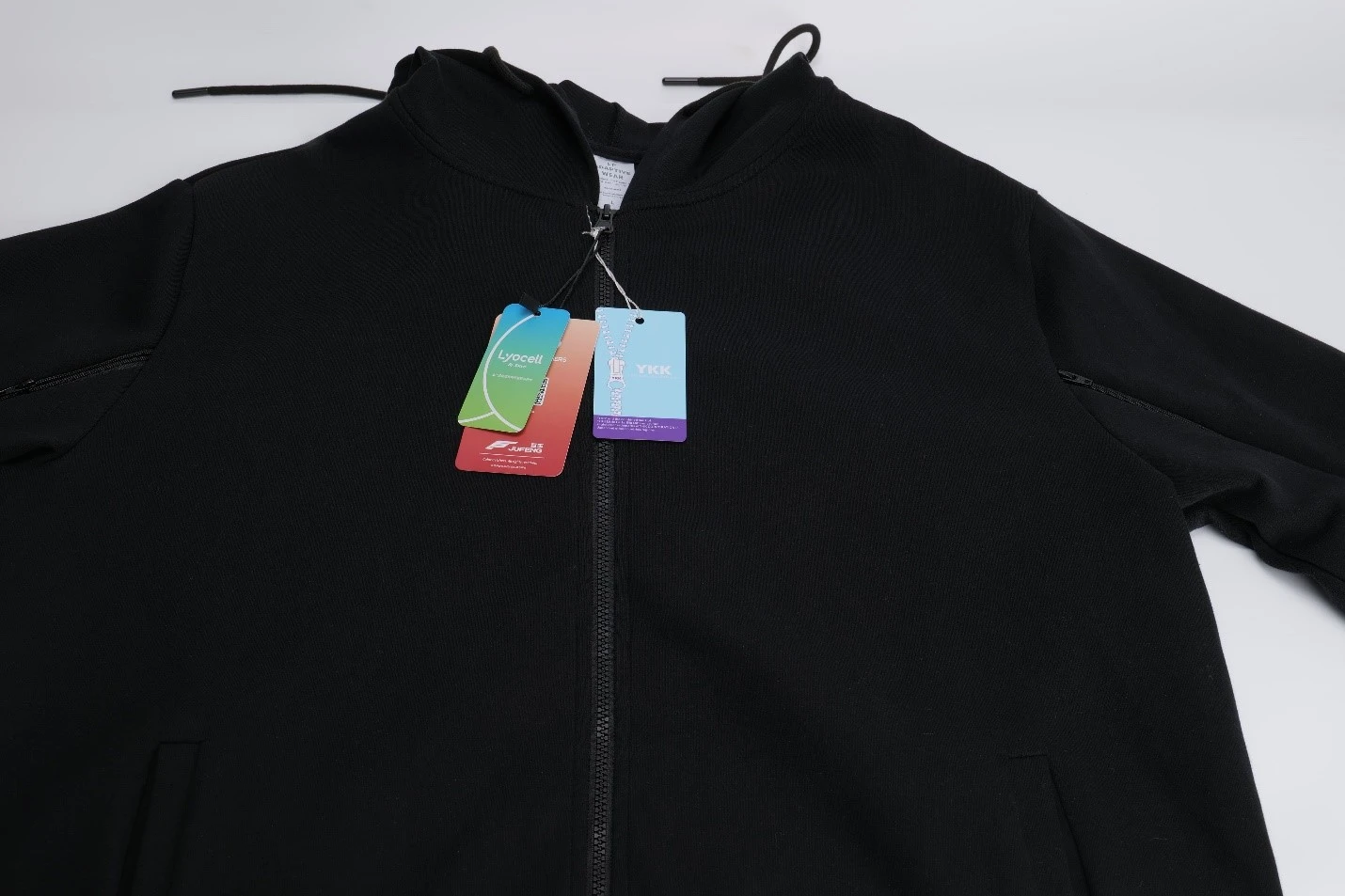
Adaptive clothing design for young adults has to serve multiple life contexts that are completely different from those associated with senior citizens. Designing for — or selecting — young adults requires considering what the user will be doing.
Young adults enrolled in colleges dress up in dorms alone and rapidly; the process has to be quick, as they cannot afford to spend time dressing up and have to be ready for classes on time. The clothing item must be put on quickly, look neat in class or a seminar room, and withstand multiple hours of wear. Failure of closures, such as falling apart of Velcro, opening of snaps in the middle of the day, is unacceptable.
As young, disabled individuals join the workforce, their requirements for professional appearance should be the same as everyone else’s. It should be obvious that adaptive workwear looks like workwear. It should be neat, appropriate, and its features should not even be visible. If an individual goes in for a job interview wearing clothes that clearly indicate a need for adaptation in some way, then adaptive fashion has failed him or her. While there have been advances in this regard, there is a definite gap between potential and reality.
Socializing in the evenings, attending social events, going out on dates, traveling, and playing active sports – all situations in which young people may find themselves require adaptive clothing. It is here that the style aspect of adaptive fashion becomes the most apparent gap in terms of offering options similar to what regular fashion provides to the same demographic.
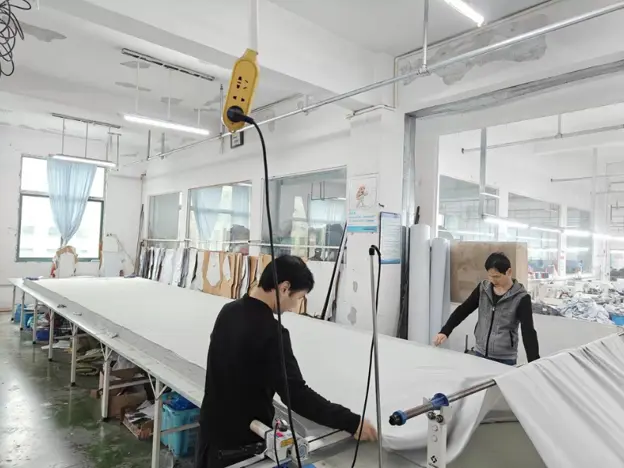
In the context of young individuals who experience sensory integration problems, the textile does not play an auxiliary role – it plays a primary role. The clothes that fit perfectly in terms of closure and seat cannot be worn when the textile causes sensory irritation.
The most important characteristics of the fabric for sensitive people:
The OEKO-TEX Standard 100 label guarantees that the fabric has passed the test for harmful chemicals, which is important not only for sensory-sensitive individuals but also for those with sensitive skin.
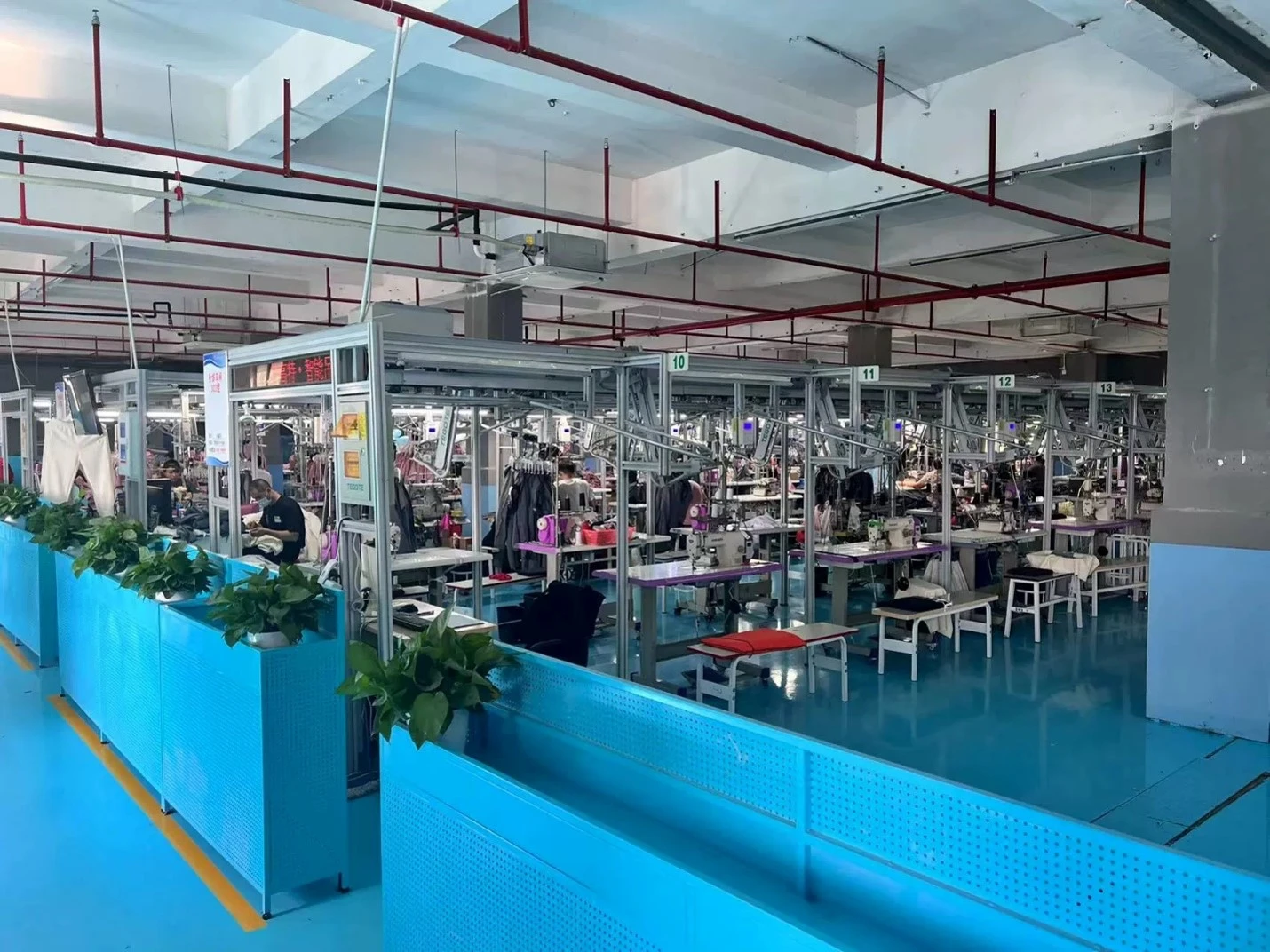
Young adult adaptive clothing is an area of the market that has been severely underrepresented commercially relative to its capacity. For any brands or businesses who venture into this space currently, they are entering at a time when the industry is still in its infancy, meaning little competition and the ability to establish category dominance.
Below are some considerations when selecting adaptive clothing for B2B clients:
AdaptiveGarment.com makes adaptive clothing for B2B clients using existing patterns that suit seated fit, magnetic closures, sensory requirements for the fabric and one hand operable clothing. OEM manufacturing starts with a minimum order quantity of 100 pieces of each garment and is completely customizable with regard to type of closure, fabric, size, labeling, and packaging options. Those buyers who want to make an adaptive clothing line from scratch do not have to engineer any patterns.
Yes, definitely. Adaptive clothing for seniors is all about arthritis, dementia, and assistance with getting dressed by caregivers in care facilities. Adaptive clothing for young adults has to cater to independent dressing, accommodate active life both in college and at work, and be fashionable — not something to be worn in care facilities. The circumstances are different, the environments are different, and the aesthetics are different. What works for an elderly person is definitely not the same that would work for a person in his or her twenties.
Firstly, the seated-fit engineering needs to be accommodated — higher back rise, shorter front rise, no back pockets creating pressure points, and longer back length on tops. In addition to fitting, the functional elements that need to be provided are side-zip trousers, front-only closure, and no overhead pull. For young adults, the aesthetic requirement is current fashion, and seated-fit engineering should be hidden from the front view.
You need to look for garments where the adaptive elements are integrated in the way the garment is constructed and not visible from the outside. Buttons with magnets hidden behind the traditional placket. Zippers are placed on the inside of the seams of the leg, not on the outside. Elastic waistbands with belt loops. Proper placement of the seams for comfort, but not visibly so. If you can see that an item is adaptive when worn, the design is failing.
The best choice of a closure for self-dressing in case of limited dexterity will be magnetic closures. They are easy to use, requiring only one touch and not holding onto anything or pressing something precisely. Moreover, magnetic closures have the same appearance as normal closures. To use a Velcro closure, constant pressure is required along the whole length of it, which is hard when there are tremors or problems with gripping something. Bottoms that have a pull-on design and an elastic waist do not have any closures at all.
Yes. Manufacturers of adaptive clothes, which specialize in adaptive clothing, rather than having an adaptive collection as a supplement to a standard pattern base, can provide young adult adaptive clothing with full customization at wholesale volume. It includes customized seated-fit patterns, construction with magnetic closures, sensory-specific choice of fabrics, and even a private label. The minimum order quantity for such specialist adaptive OEM manufacturers is about 100 items per pattern. To create a young adult adaptive line, OEM manufacturing will be much faster than creating your own pattern.
The lines created by mainstream brands significantly raised the standard of aesthetics of adaptive clothing and proved that adaptive clothing could really look like fashion clothing. However, the mainstream adaptive lines have a limited number of SKUs and pay much attention to accessibility, rather than condition-specific engineering. Adaptive OEM manufacturer provides much more customization – the closures are customized for certain conditions, the pattern is developed for wheelchair users for full-time rather than occasionally.
Ready to build an adaptive clothing line for young adults? AdaptiveGarment.com offers full OEM production with seated-fit patterns, magnetic closure options, and sensory-specification fabrics — starting from 100 pieces per style. Get a free quote in 10 minutes: +8617702035343 or visit adaptivegarment.com/contact
