


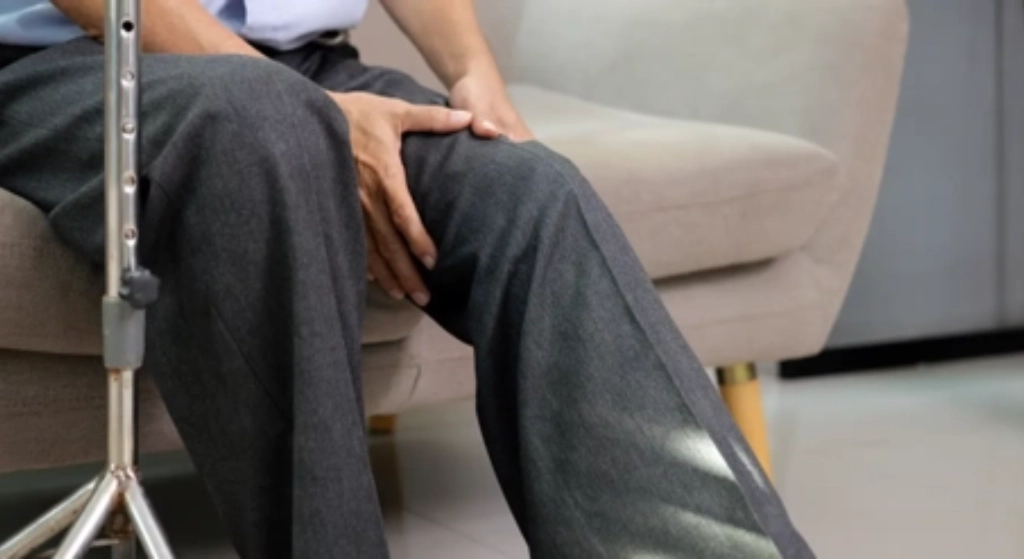
The reason why there is such a thing as incontinence clothing is simple – to address a problem that regular clothing is not supposed to cope with – dealing with skin constantly exposed to moisture, the need for quick changes of clothes, and materials with additional properties to deal with odor management and provide skin protection for a full day. As many as 33 million Americans have incontinence issues, and for many of them the clothes worn can be as important as the absorbent product used.
The guide will focus on what makes incontinence clothing special, what groups of patients will benefit from using it the most, the influence of clothing fit and fabric choice on comfort and skin state, and what mistakes may worsen everyday life without the necessity to do so. All this information will be given in the form of a buyer’s guide, and not a medical consultation. If you have questions concerning your particular health condition and treatment, you should consult a doctor.
Clothes that are incontinence-friendly are not a distinct wardrobe option but regular clothes designed with certain requirements in mind: protection of the skin from prolonged contact with moisture, materials that help control odor without changing clothes, and a design that will make it possible to quickly change clothes without taking off the whole set. This will not substitute for the proper fitting of absorbent products because, according to the National Association for Continence’s advice concerning concealing absorbent products, the proper fitting of absorbent products is equally important as the clothes. The choice of clothes influences one’s comfort and overall well-being greatly.
There are several aspects which can be found in clothes designed specially for people with incontinence problems: they include breathable material to prevent heating, proper location of seams and waistbands not to exert pressure on sensitive areas, and quick access to certain parts of the clothes.
Incontinence tends to increase with age, but there are different factors that affect its particular type. According to the National Institute on Aging, functional incontinence – inability to get to the bathroom in time due to issues like arthritis and difficulties with mobility rather than problems with the bladder – is very common among the elderly without other issues and urge incontinence, which is linked to diseases such as diabetes, Parkinson’s disease, multiple sclerosis, and stroke, as well as late stages of Alzheimer’s disease, is the most common form of it.
The biggest beneficiaries of the programs of bulk clothing will be people residing in care facilities since they are precisely the people who should be taken into consideration when planning for mobility, dressing ability, and, above all, incontinence management, as the latter is an integral part of long-term care and not a special case to be considered separately. People recovering from surgery, dealing with pelvic floor problems and caregivers changing diapers on their wards also benefit from incontinence clothing to some extent because the main design aspects are the same in all cases.
Young adults with incontinence caused by birth, a chronic disease, or post-operative complications need to be named separately, as it is easy to forget about them when designing and marketing incontinence clothing. Their clothing requirements are practically the same, but there is a slight difference between styles and sizes preferred by younger and older people.

Skin protection remains the key fabric criterion in terms of medical considerations, and its importance is hard to overestimate. The constant exposure of skin to moist conditions, even when wearing a properly fitting and absorbent product, makes a person prone to developing incontinence-associated dermatitis, or IAD, a phenomenon described by the peer-reviewed article in the NIH’s PMC database as the skin breakdown caused by prolonged exposure to either urine or feces, most frequently found in the buttock, perineal, and sacral areas. Fabric designed for incontinence care clothing that wicks the moisture and air away from the skin will decrease the factors contributing to the development of IAD.
Antimicrobial & Odor-Resistant Clothing adds one more feature to the fabric’s breathability, making the latter much more beneficial. Silver ion and zinc oxide treatments prevent the bacterial growth responsible for odor formation, becoming particularly important when we talk about the garment areas that come in direct contact with incontinence-related moisture. While some people consider softness to be the primary characteristic of the clothing made for patients with incontinence issues, it becomes even more important due to skin fragility in conditions of prolonged contact with moisture.
It might be useful to understand the level of performance of different antimicrobial treatments as they differ greatly in their longevity and efficiency. Silver ion treatments usually retain their properties during no less than 50 industrial washings, while zinc oxide and bio-based treatments show more variability depending on the manufacturer and formulation of the treatment. The only way to compare them to each other is to ask for the testing report of the fabric – ISO 20743 and AATCC 100 tests are the best way to compare them.

The importance of the location of seams cannot be overemphasized. Low-profile seams that have no or minimal contact with the skin protect this area of skin that is already more susceptible to friction due to increased moisture. The very idea that seemingly insignificant decisions regarding the product design make an actual difference in the case of products that are intended to be used by patients who are bedridden or seated for long periods of time is similar to the way pressure sore protection clothing works.
The fit of waistbands is not less significant than the fit of absorbent products themselves. Not only will an incorrectly tight waistband create discomfort due to pressure, but it will shift the product during the day. An adjustable and soft waistband would solve the problem associated with body alterations caused by edema, weight changes, etc., in addition to creating extra comfort.
Layering is another consideration that should not be overlooked in the process of selecting incontinence care products. A properly fitted absorbent product, a soft, breathable base layer, and an appropriately loose outer layer perform better than all-in-one garments in most cases. It does not require a specially tailored wardrobe but just some layering.

This is where incontinence clothing intersects directly with the wider sphere of adaptive clothes. Side-opening and back-opening clothing allows for a quicker change process to be performed by a caregiver or by the person themselves, as it does not require removing the entire set of clothes, which is important in terms of quickness in care and dignity in any case. The same principle as in the design of clothing with a concealed drainage system in catheter and ostomy management works here: good placement of the opening solves a hard problem instead of trying to overcome it.
In the case of facility care, such construction allows for saving some time for caregivers when they care for several people at once, and also saves time that the patient spends with partial undressing during the care process, which, on one hand, is a matter of time, but on the other, it is an issue of dignity of the person.
The issue of nighttime change needs to be separately noted, as this is an often occurring difficulty that is solvable using the appropriate garment design. A piece of clothing requiring removal and complete dressing at night is highly disturbing both for a person who should be changed, and for the person changing, as this process happens frequently for many months and years in a row. Side openings or front openings, which allow a change of a garment while lying down, are extremely helpful in this particular situation.
The vast majority of mistakes mentioned above come from one thing – treating incontinence clothing as one universal category instead of selecting the necessary features. A person dealing with sporadic leakage has a completely different set of requirements for his/her clothing than a long-term care resident, and relying on the marketing lingo rather than the exact feature list – breathability, seam location, access design, antimicrobial protection – is what causes most mistakes.

If you’re planning a bulk purchase of nursing home clothing or creating a product line of mobility products with additional incontinence management features, make sure to get the information about the minimum order and pricing for the clothing antimicrobial treatment first – treatment methods, kill rates, and wash-cycle durability really differ from supplier to supplier, and requesting independent test results is a step worth taking.
Incontinence clothing features a breathable, moisture-wicking material which protects the skin from irritants, antimicrobial or odor-resistance coating, and features of the design such as side opening panels and adjustable waist which provide for quick and more dignified changing.
No. Regular absorbent underwear manages leaking urine or feces, while incontinence clothing is worn over absorbent underwear – the type of material and design which allows to protect the skin from irritation, manage odors between changing and provide easy changing.
Moisture-wicking, breathable materials along with flat, low friction seams create the environment where conditions leading to formation of incontinence-associated dermatitis are reduced to minimum. This is an important additional feature which helps to prevent skin problems together with correct fit of the absorbent product and good skin care routine.
Incontinence clothing made of antimicrobial fabrics uses either silver ions or zinc oxide. Those act to inhibit the bacterial growth responsible for odors production; not only to cover up odors after the bacteria have started multiplying.
What should care facilities consider when ordering incontinence clothing in large quantity?
They need to know type of antimicrobial treatment used in their products and confirmation of the testing results (e.g. ISO 20743). They should also check how durable the treatment is through wash cycle in case of institutional laundering. Also, seam and waistband designs should be suitable for the clients that spend lots of time seated or lying.
Depends on frequency of laundering and quality of fabric. Antimicrobial fabric treatment wears off gradually after each wash, so checking wash-cycle durability claimed by the provider (for example, more than 50 for silver-ion treatment) might be helpful.
