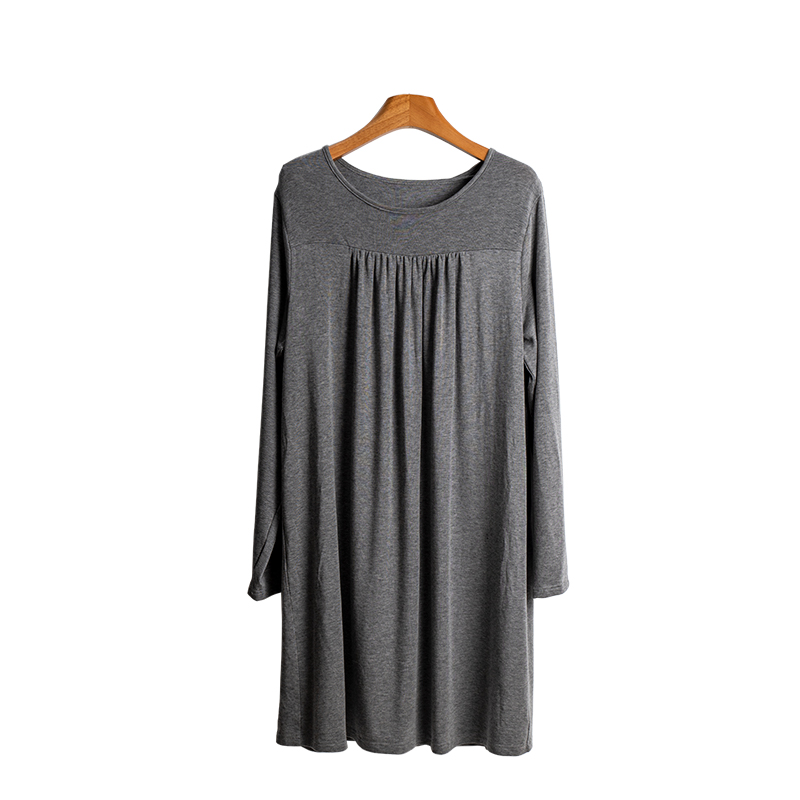
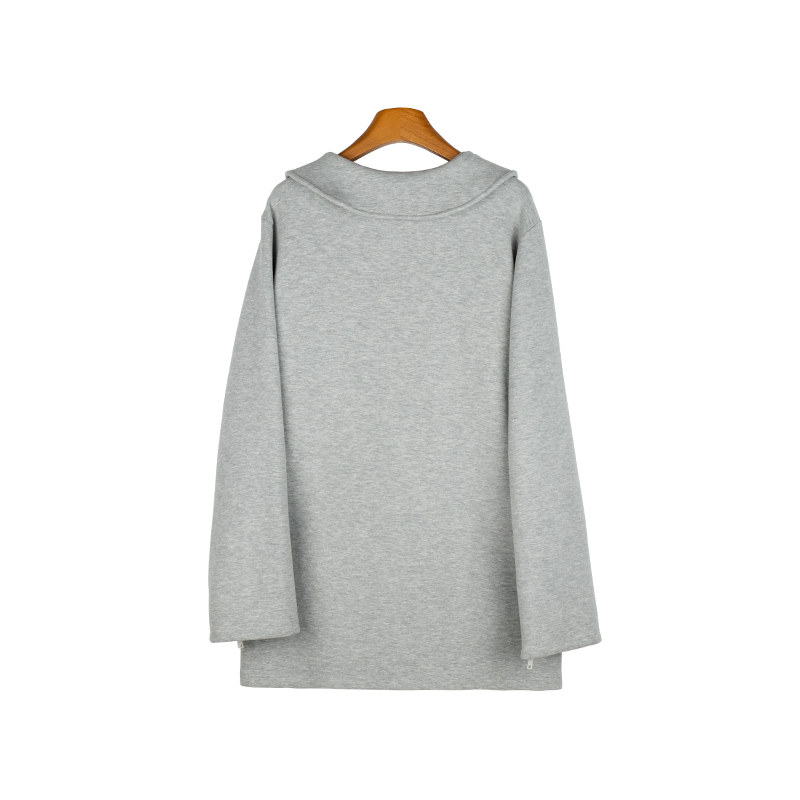
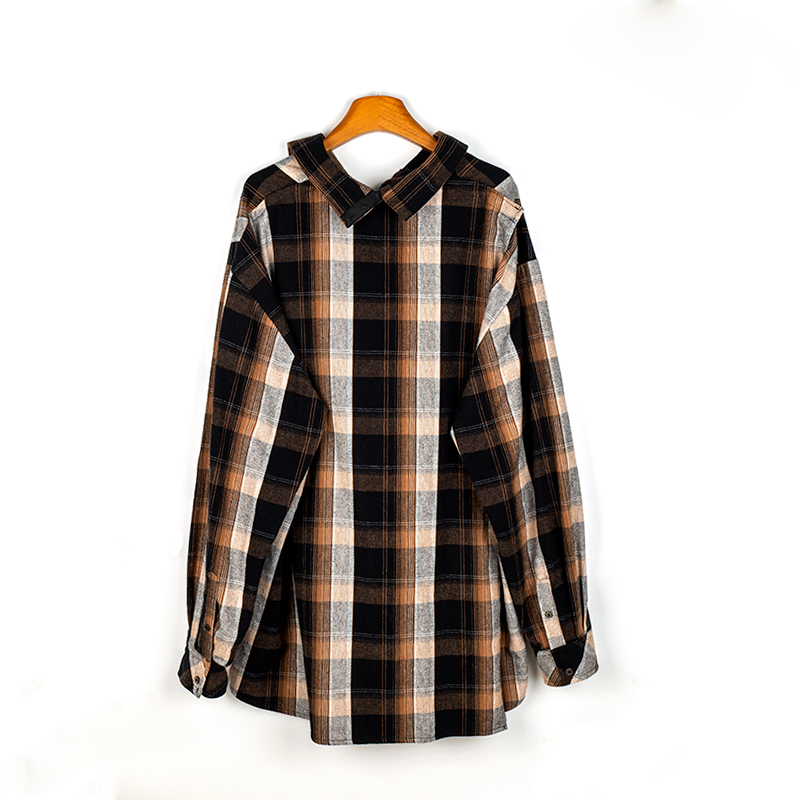
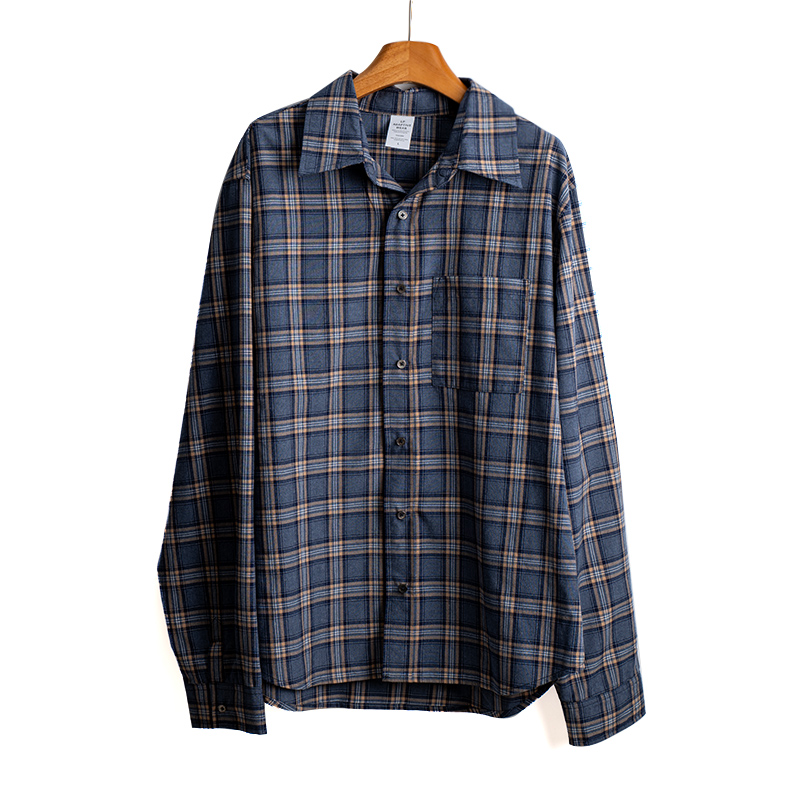
Antimicrobial & Odor-Resistant Adaptive Clothing

We manufacture adaptive garments engineered with advanced antimicrobial and odor-control technologies — including silver-ion, zinc oxide, and bio-based treatments tested to ISO 20743 and AATCC 100 standards.

Clinically Tested Antimicrobial Protection
Proven performance against bacteria using ISO 20743 and AATCC 100 standards

Advanced Odor Control Technology
Neutralizes odor-causing microbes for long-lasting freshness

Multiple Treatment Options
Silver-ion, zinc oxide, and eco-friendly bio-based antimicrobial finishes

Enhanced Hygiene Between Wash Cycles
Ideal for care homes, hospitals, and long-duration wear environments

Safe for Sensitive Skin
Non-irritating, skin-friendly finishes suitable for vulnerable users

The Science

Why Standard Garments Are Not Hygienic Enough for Clinical Care


In care home, hospital, and supported-living environments, adaptive garments are worn for extended periods — often 12–16 hours between laundry cycles. During this time, the fabric surface is in continuous contact with body fluids, skin microbiome organisms, wound exudate, and incontinence-associated moisture — creating conditions where bacterial colonization and odor compound generation are rapid and clinically significant.

Conventional fabric — even if freshly laundered — provides no antimicrobial protection during wear. Within hours of donning, the garment surface begins accumulating bacteria from the skin microbiome and environment. For residents with incontinence, open wounds, stoma sites, or immunocompromise, this bacterial colonization represents a genuine infection risk — not merely an odor management issue.

Antimicrobial adaptive clothing integrates permanent or durable-wash-permanent antimicrobial treatment into the fabric — using silver-ion, zinc oxide, or bio-based chemistry to continuously inhibit bacterial growth on the garment surface between laundry cycles. The result: a garment that is actively protective throughout its entire wearing period, not just immediately after laundering.


How Antimicrobial Treatment Works Mechanism of Action

🔬Treatment Embedded in Fibre

Silver-ion or antimicrobial agent is embedded within or bonded to the textile fibre during manufacturing — not applied as a surface coating that washes away

💧   Ion Release Triggered by Moisture

Perspiration, body heat, and skin moisture trigger the slow, controlled release of antimicrobial ions from the fibre surface into the fabric microenvironment

⚡  Bacterial Cell Wall Disruption

Released ions bind to bacterial cell membranes, disrupting enzyme function and cell wall integrity — inhibiting bacterial growth, replication, and metabolic activit

🦠 Odor Compound Prevention

Odor is caused by bacterial metabolism of sweat and body fluids — inhibiting the bacteria eliminates odor at the source, not by masking it with fragrance

All antimicrobial treatments are tested to ISO 20743 (antimicrobial activity) and OEKO-TEX Standard 100 (skin-contact safety). Treatment is safe for continuous skin contact including sensitized and compromised skin.

Product Catalog

Antimicrobial Adaptive Garments We Manufacture


Every adaptive garment category is available with antimicrobial and odor-resistant treatment 
 technology type selected based on the garment’s clinical application, user profile, and buyer’s
positioning requirements.

👕

01

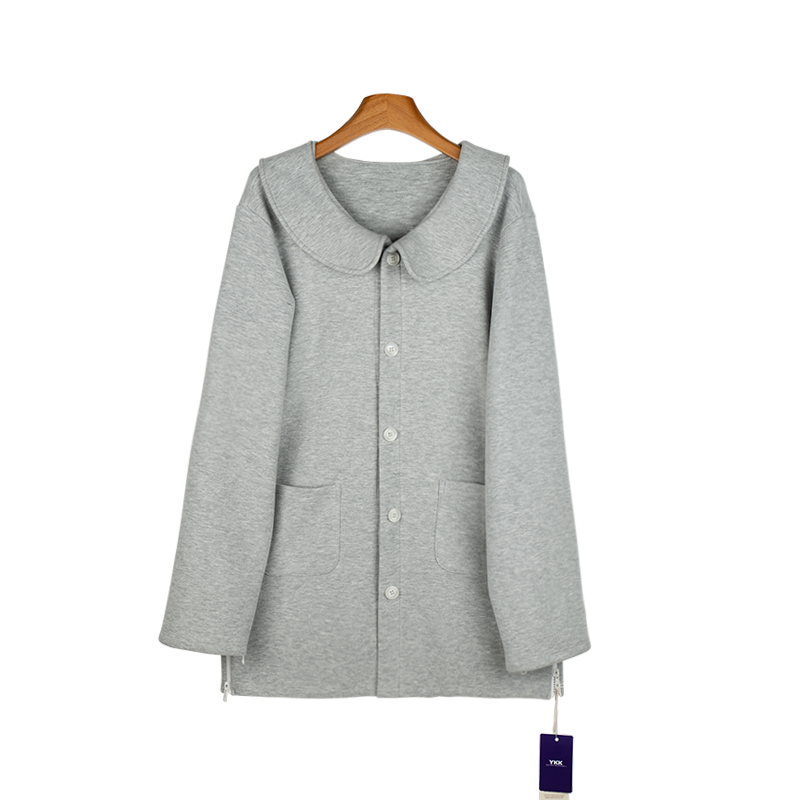
Antimicrobial Adaptive Tops — Clinical Grade

Everyday adaptive tops manufactured from silver-ion treated fabrics — ISO 20743 tested for 99.9% bacterial reduction including MRSA. Available with all adaptive closure systems (magnetic snap, YKK dual-slider, side-open). Specified for care home residents with incontinence management requirements, wound-adjacent care, or infection control program enrollment.

 
Technology
Silver-ion Ag+
Kill rate
99.9%
MOQ
100 pcs

🌙

02

Odor-Control Adaptive Nightwear

Anti-odor adaptive nightgowns, pajamas, and sleepwear for care home residents — zinc oxide or silver-ion treated fabrics that inhibit the odor-generating bacterial metabolism throughout the night. Particularly valuable for residents with incontinence, where conventional nightwear requires frequent replacement due to odor accumulation between laundry cycles.

 
Technology
ZnO / Silver
Kill rate
97–99%
MOQ
100 pcs

👖

03

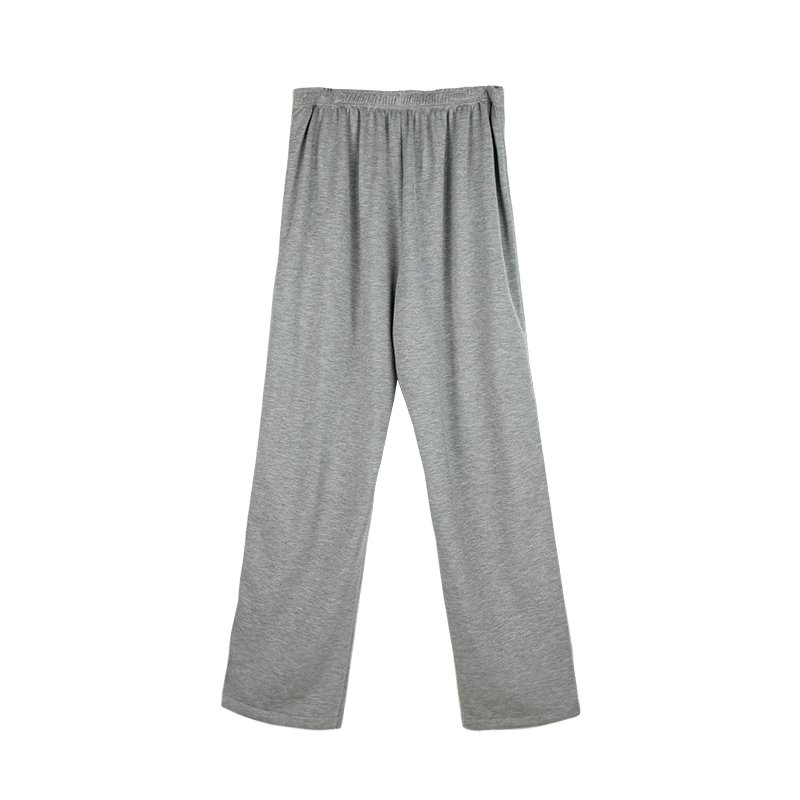
Antimicrobial Incontinence-Safe Trousers

Adaptive trousers engineered for residents with continence challenges — antimicrobial treatment inhibits bacterial growth and odor generation in the garment zone most exposed to incontinence-associated moisture. Available with wheelchair seated cut, flat-seam construction for pressure area protection, and adaptive waistband options.

 
Technology
ZnO / Silver
Kill rate
97–99%
MOQ
100 pcs

🏋️

04

Antimicrobial Rehabilitation Activewear

Performance adaptive garments for rehabilitation patients — silver-ion or zinc oxide treated 4-way stretch fabrics that maintain antimicrobial protection throughout active physiotherapy and occupational therapy sessions. Addresses the elevated sweat and bacteria load generated during active exercise in clinical rehabilitation environments.

 
Technology
ZnO / Silver
Kill rate
97–99%
MOQ
100 pcs

🌿

05

Natural Antimicrobial Lifestyle Adaptive Clothing

Bio-based antimicrobial adaptive garments for lifestyle and D2C adaptive clothing brands — chitosan or bamboo-derived natural antimicrobial treatment combined with organic certified fabrics. For buyers with natural product positioning, GOTS certification requirements, or consumers who prefer plant-derived antimicrobial technology over synthetic

 
Technology
ZnO / Silver
Kill rate
97–99%
MOQ
100 pcs

Clinical Applications

Where Antimicrobial Protection Is Clinically Required


These are the clinical scenarios where antimicrobial adaptive garments
are not a premium option — they are the appropriate clinical specification
 for the patient’s risk profile.

🧵

Seamless Knit Panels at Risk Zones

Circular or flat-knit seamless construction at sacral, ischial, and heel contact zones — eliminating seam-generated TIP at the anatomical locations that account for 65%+ of all pressure ulcer incidents. Seamless panels are integrated into the garment design at the precise pressure point locations, not applied as a generic garment-wide approach.

🩹

Wound & Stoma-Adjacent Wear

Garments in contact with wound sites, stoma pouches, and drain insertion points are at elevated infection risk. Silver-ion antimicrobial treatment at these zones inhibits wound-associated pathogens including MRSA, Pseudomonas, and Candida on the garment surface adjacent to open tissue.

🧠

Immunocompromised Patients

Oncology patients, transplant recipients, and patients on immunosuppressive therapy are at disproportionate risk from organisms that healthy immune systems handle easily. Minimizing bacterial load on the garment surface reduces the environmental bacterial challenge for these high-risk individuals.

🏠

High-Density Care Home Environments

In care homes where residents share communal spaces, infection outbreaks (norovirus, influenza, MRSA) spread rapidly. Antimicrobial garments reduce the role of clothing in pathogen transmission between residents, visitors, and staff during high-contact care activities.

🦽

Wheelchair User Skin Health

The warm, moist microclimate between the wheelchair seat and the garment creates a bacterial incubator — contributing to skin maceration and pressure area deterioration. Antimicrobial treatment inhibits bacterial colonization in the seated zone, supporting the skin integrity of long-duration wheelchair users.

👴

Frail Elderly Daily Wear

Elderly residents often cannot report skin discomfort or early-stage skin infections reliably. Proactively reducing bacterial load through antimicrobial garments provides a passive layer of skin protection for residents who cannot self-advocate for their skin health status.

🏋️

Active Rehabilitation Programs

Physiotherapy generates sweat, elevates body temperature, and creates moist garment conditions ideal for bacterial growth. Silver-ion or zinc oxide treated activewear maintains antimicrobial protection throughout exercise sessions — reducing post-exercise bacterial load and odor in shared rehabilitation environments.

🌙

Extended-Wear Overnight Garments

Nightwear worn for 10–12 hours accumulates significant bacterial load — particularly for residents with incontinence or night sweating. Antimicrobial nightwear provides continuous protection throughout the overnight wearing period, maintaining skin hygiene until the morning laundry cycle.

9 Core Adaptive Design Features We Manufacture

Our most-requested functional designs for medical
 rehabilitation, and long-term care applications

Antimicrobial & Odor-Control

Advanced fabric treatments that inhibit bacterial growth and neutralize odors, ensuring freshness for long-term wear.

3
Assisted Dressing Ergonomics

Garments designed to reduce physical strain on caregivers, featuring easy-reach closures and simplified entry points.

antimicrobial apparel OEM odor-control clothing
 Hospital-Grade Washable

Arm zippers opening at any point for IV access, chemotherapy, dialysis

Anti-odor workwear manufacturer
High-Breathability Mesh

Engineered ventilation panels that improve airflow and moisture-wicking to prevent skin breakdown and irritation.

Untitled design (10)
Specialized Senior Apparel

Comfortable, non-restrictive clothing tailored to the specific mobility and sensory needs of the elderly population.

Untitled design (7)
 Wide Selection & Custom OEM

A diverse range of styles and colors available for bulk orders, with full customization options for your specific brand needs.

Anti-microbial textile manufacturer

Why It Matters

Antimicrobial vs. Standard Adaptive Garments


The performance difference between antimicrobial-treated and untreated
adaptive garments becomes significant in clinical care environments
 where extended wear and elevated hygiene risk are the daily norm.

 
Criteria★ Antimicrobial Adaptive ClothingStandard Adaptive ClothingGeneric Care Home Clothing
Bacterial protection between laundry cycles 24/7 continuous inhibition No protection after donning No protection
MRSA / E. coli kill rate (ISO 20743) 99.9% reduction (silver-ion) 0% — untreated fabric 0% — untreated
Odor control between washes Eliminates odor at bacterial source Odor accumulates rapidly No odor management
Independent test documentation available ISO 20743 reports provided No antimicrobial testing No documentation
Wash durability of antimicrobial effect 50+ cycles (silver-ion) Not applicable Not applicable
Skin safety certification OEKO-TEX for treatment safety Fabric only, no treatment Often uncertified
Suitable for wound-adjacent wear Clinical-grade available Not specified for this use Not appropriate
Procurement documentation for clinical supply Test reports + certificates Fabric certs only No documentation

Explore More

Related Adaptive Clothing Technologies

Main Hub

Adaptive Clothing Manufacturer

Full OEM manufacturing overview — all adaptive features, products, and global supply capability.

Institutional

Nursing Home Clothing Supplier

Bulk magnetic closure garment supply programs for nursing homes and care facilities.

Rehab Sector

Rehabilitation Brand OEM

Clinical magnetic closure garments for rehab brands — post-surgical and neurological recovery wear.

Senior Living

Senior Living Facility Supplier

Magnetic closure adaptive clothing programs for assisted living and retirement communities.

Frequently Asked Questions

What is antimicrobial & odor-resistant clothing?

These garments are made from fabrics treated or engineered to inhibit the growth of bacteria, fungi, and microbes, helping prevent odors, maintain hygiene, and promote long-term wear in healthcare and adaptive environments.

Ideal for patients, seniors, healthcare workers, and individuals in nursing homes, hospitals, rehabilitation centers, or assisted living facilities who need hygienic, long-lasting apparel.

We manufacture adaptive tops, pants, patient gowns, sleepwear, rehabilitation wear, and staff uniforms incorporating antimicrobial and odor-resistant fabrics.

They minimize microbial growth on clothing, reduce unpleasant odors, and provide an additional layer of protection for sensitive skin and high-contact environments.

Can the antimicrobial and odor-resistant properties be customized?

Yes, we provide options for fabric types, treatment levels, garment design, and adaptive features to meet specific clinical, care, or market needs.

Absolutely. We provide full OEM and private label solutions, including branding, custom labels, packaging, and bulk manufacturing tailored to your business.

Yes, we use medically approved, skin-safe fabrics that are breathable, soft, and suitable for prolonged use by sensitive or elderly skin.

Yes, we specialize in large-scale production and global supply, ensuring consistent quality, competitive pricing, and timely delivery for distributors and healthcare brands worldwide.

Ready to Start Your Clothing Line? 

Send us your tech pack, product specs, or project requirements.
We’ll review everything and provide a detailed quote with MOQ
 pricing, timeline, and sample costs.