

Side-Open & Back-Open Adaptive Clothing
We manufacture adaptive garments engineered with full side, back, or shoulder openings — enabling caregivers to dress patients in seated or lying positions without lifting, repositioning, or risk of injury. Designed for institutional care environments, our solutions improve safety, efficiency, and patient comfort while maintaining a dignified appearance.
✔ Full-Access Opening Design
Side, back, and shoulder openings allow complete garment access for easy dressing
✔ No-Lift Dressing Support
Eliminates the need for patient repositioning, reducing caregiver strain and injury risk
✔ Ideal for Bedridden & Limited Mobility Patients
Designed for wheelchair users, post-surgery recovery, and long-term care residents
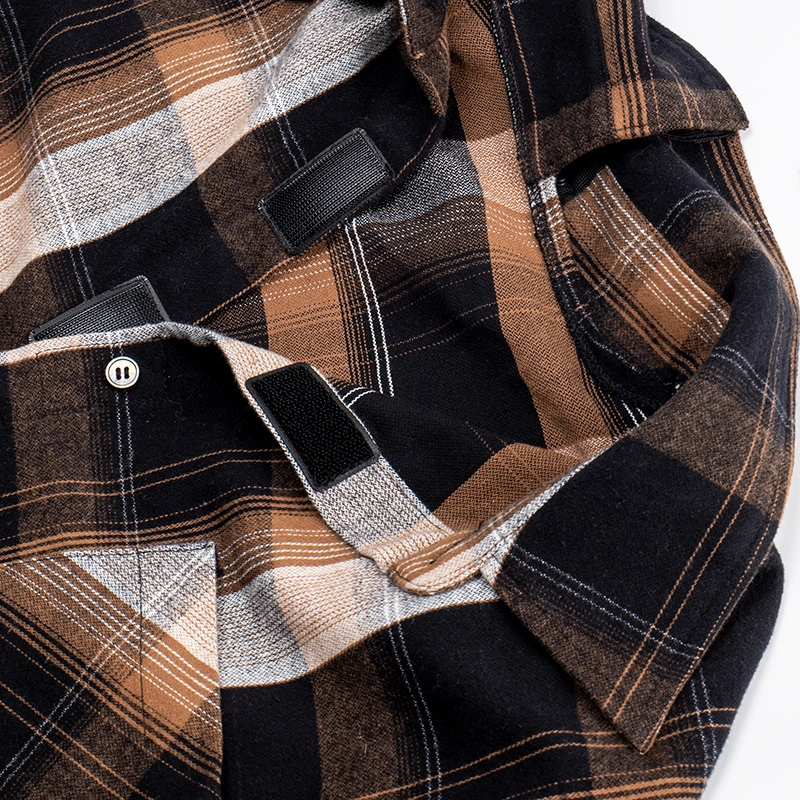
↔️Full & partial side-seam opening
📦MOQ from 100 pcs / style
🏷️Full private label OEM
🔄Back-open & back-velcro designs
🌍 FOB · DDP · 30+ countries
♻️ 60°C institutional wash certified
Clinical Value
Side-open and back-open garments generate documented, measurable
improvements across the care quality metrics that matter most to
facility managers, clinical directors, and care procurement teams.
Side-open garments can be applied and removed with the patient remaining in their lying position throughout — eliminating the repositioning maneuvers that cause the majority of patient handling incidents and resident complaints in high-dependency care.
By removing overhead arm pull, seated-to-standing transfers, and hip-elevation moves from the dressing routine, side-open garments significantly reduce the cumulative musculoskeletal load on care staff — directly impacting carer sickness absence rates.
The garment appears conventionally dressed when fastened — residents are not exposed for extended periods during dressing. Quick application and fastening minimizes the time any skin is visible, which is particularly important for dignity-sensitive residents and family observations.
Patients with severe arthritis, post-surgical shoulder pain, or neurological rigidity experience dressing as a source of acute pain when conventional garments are used. Side-open application requires zero joint movement beyond comfortable range — transforming a painful procedure into a comfortable one.
Back-open designs allow caregivers to manage the dressing process with the resident facing toward them — enabling face-to-face communication, reassurance, and distraction during dressing. Significantly reduces dressing-related agitation episodes in memory care residents.
With 60% average dressing time reduction per resident, side-open garment programs generate meaningful labor efficiency gains across a morning shift — freeing caregiver time for higher-value engagement activities with residents.
Side-open garments can be applied and removed with the patient remaining in their lying position throughout — eliminating the repositioning maneuvers that cause the majority of patient handling incidents and resident complaints in high-dependency care.
Side-open garments naturally expose the torso during application — nursing staff can assess skin condition, check for pressure ulcer development, and manage wound dressings as an integrated part of the dressing routine, without requiring separate undressing procedures.
We provide high-capacity OEM and Private Label solutions for the global adaptive market.
By merging medical-grade functionality with retail quality, we deliver durable, accessible
apparel engineered for healthcare excellence and brand growth.
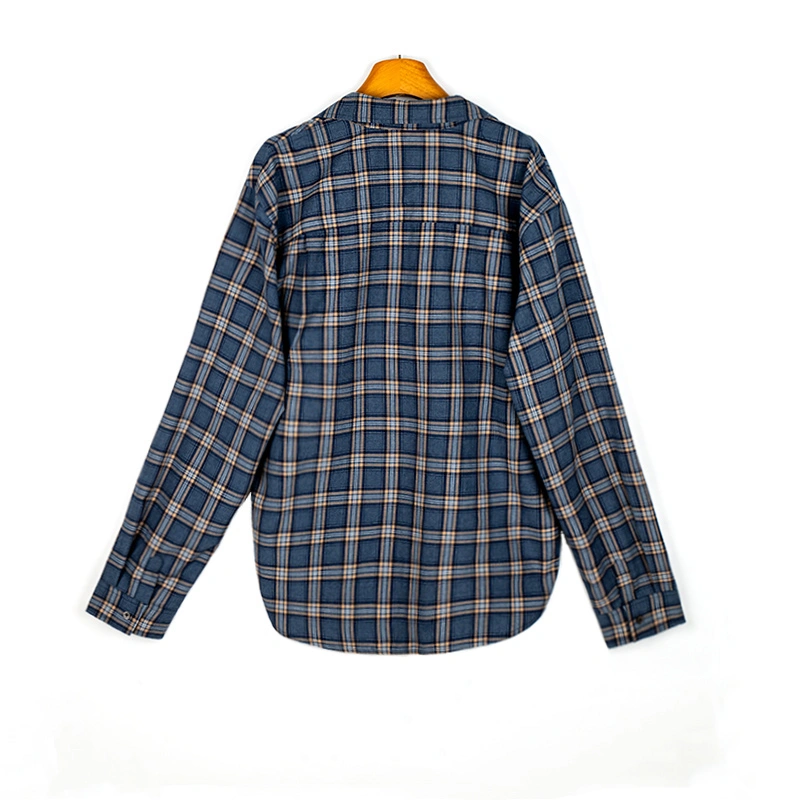
A classic wardrobe essential reimagined for effortless accessibility. Featuring hidden magnetic closures and a soft-touch finish, these shirts offer a traditional retail look with the convenience of a one-handed dressing system.
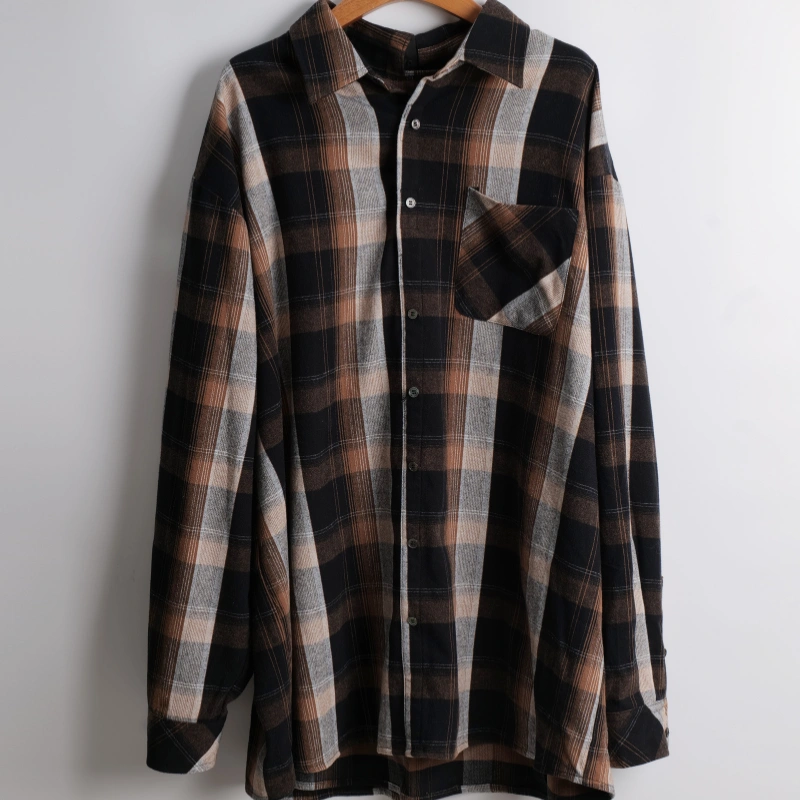
Engineered for medical versatility, this hoodie features integrated YKK dual-slider zippers along the sleeves and a magnetic center-front closure. Designed to support seamless access for chemotherapy
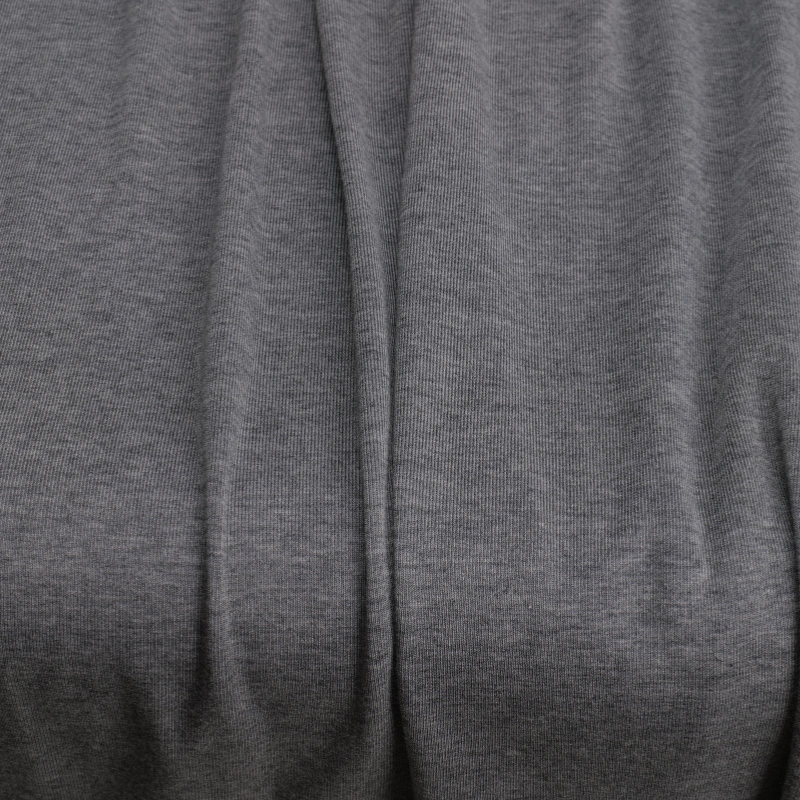
This high-performance base layer utilizes a premium Tencel-blend with a “nude-feel” texture. It is moisture-wicking, breathable, and specifically treated for anti-static and anti-wrinkle properties
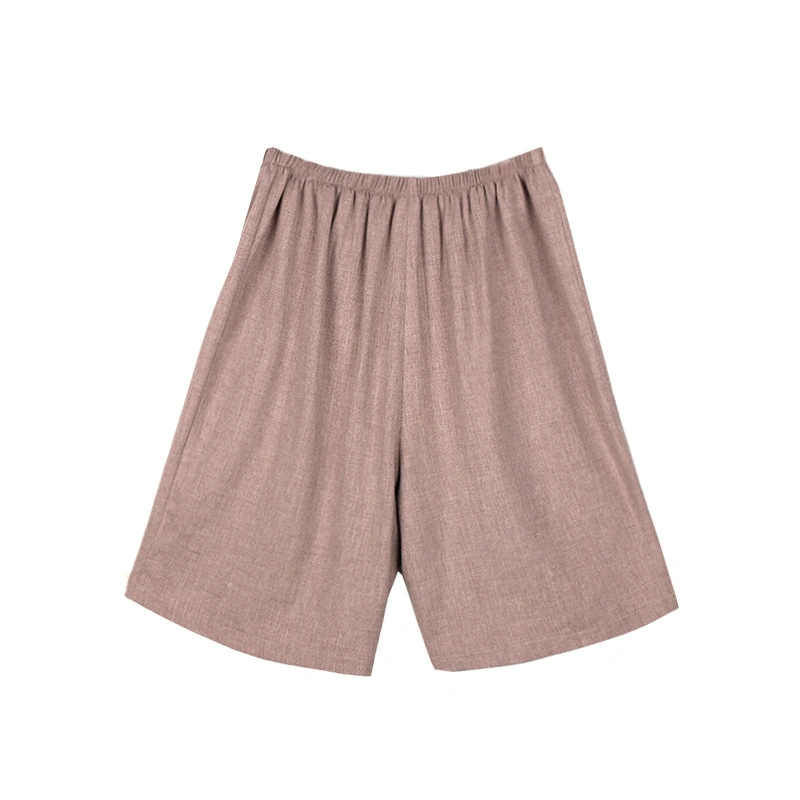
Engineered with hidden side-seam snap buttons, these shorts allow for painless dressing and quick medical access without requiring the patient to stand. Perfect for hip, knee, or leg surgery recovery and rehabilitation.
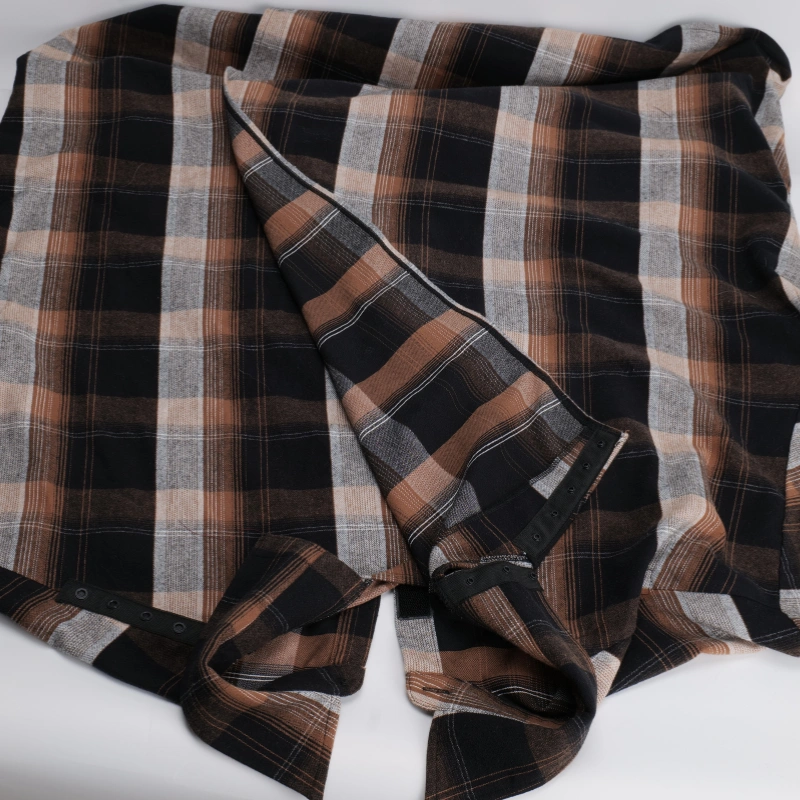
A classic wardrobe staple reimagined with hidden magnetic closures. Designed for those with limited hand dexterity or hemiplegia, this shirt offers a standard retail look with the functionality of an effortless.
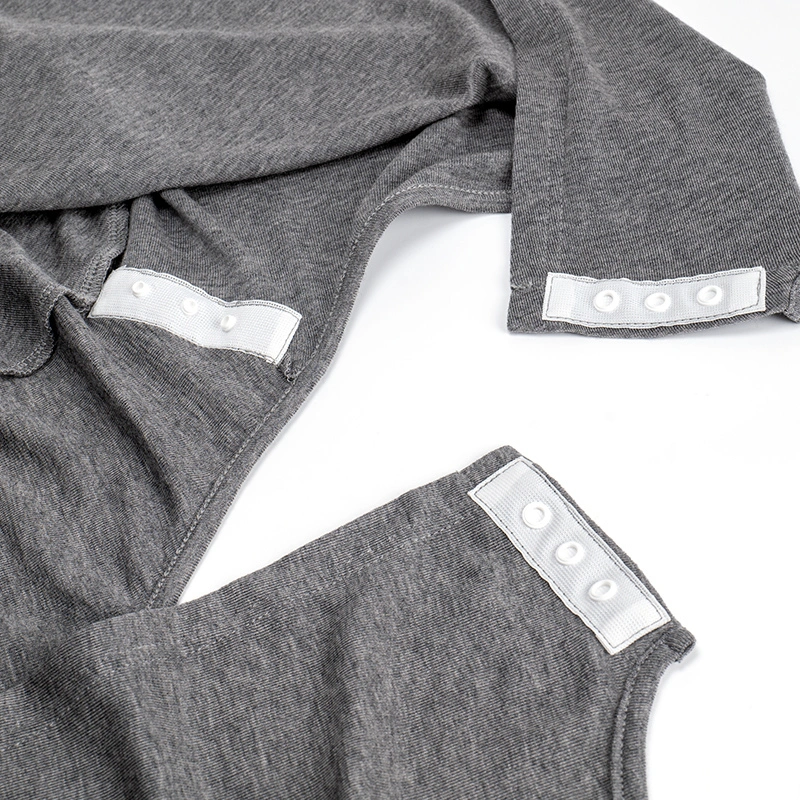
This versatile medical top features soft-touch snap buttons at the shoulders and sides, facilitating seamless IV access, wound care, and assisted dressing. The skin-friendly fabric ensures maximum comfort for long-term.
Who Benefits
Side-open and back-open adaptive clothing addresses the dressing needs
of any patient population where conventional garment application creates
pain, injury risk, or functional impossibility.
Dementia Residents
Back-open designs allow face-to-face caregiver contact during dressing — reducing agitation, enabling reassurance, and making the dressing process less confronting for memory care residents.
Surgery Patients
Shoulder, hip, and thoracic surgery patients cannot safely perform the joint movements required for conventional dressing — side-open garments allow dressing without any restricted joint movement.
Wheelchair Users
Side-open and back-open designs allow dressing from a seated wheelchair position — eliminating the need for standing transfers or repositioning to a care bed for routine daily dressing.
Bedridden Patients
Full side-open garments are the only dressing solution that works without any patient repositioning — critical for patients who cannot be sat upright safely or at all.
Severe Arthritis Patients
Patients with rheumatoid arthritis affecting shoulders, elbows, or wrists find conventional arm-threading acutely painful — side-open application requires zero joint range of motion for dressing.
Stroke Survivors
Hemiplegia means the affected arm cannot be reliably guided through a sleeve. Side-open and shoulder-snap designs allow the arm to be gently positioned without the overhead threading motion that hemiplegia makes impossible.
Advanced Care Stage
Palliative Care Patients
In end-of-life care environments, maintaining patient comfort and minimizing handling during all care routines is a primary clinical priority — side-open garments minimize the physical contact and movement required for dignified daily clothing management.
Rehabilitation Recovery
Rehab Program Patients
Patients in active rehabilitation who are rebuilding dressing capability can use side-open garments as a transitional solution — maintaining independence and confidence during recovery before conventional garment dressing is re-established as a goal.
Supply Programs
Three structured programs for care facilities, rehabilitation brands, and healthcare
distributors requiring side-open and back-open adaptive garment supply.
These are adaptive clothing solutions designed with openings along the sides or back, allowing easy dressing and removal without requiring full body movement—ideal for assisted care environments.
Side-open and back-open clothing is widely used in nursing homes, hospitals, rehabilitation centers, and senior living facilities where patient comfort and caregiver efficiency are essential.
We manufacture patient gowns, adaptive tops, pants, sleepwear, and rehabilitation garments with functional openings tailored for medical and daily care use.
These garments reduce dressing time, minimize physical strain, improve patient dignity, and provide easier access for medical procedures or daily care routines.
We offer multiple closure systems including Velcro, snap buttons, zippers, and magnetic closures, depending on the required functionality and comfort level.
Yes, we provide full customization including opening placement, garment style, fabric selection, sizing, and functionality tailored to your target market or facility needs.
Absolutely. We support OEM and private label production, including branding, custom labels, packaging, and bulk manufacturing solutions.
We handle both small and large-scale orders with consistent quality, efficient production timelines, and global shipping to support long-term B2B partnerships.
Send us your tech pack, product specs, or project requirements.
We’ll review everything and provide a detailed quote with MOQ
pricing, timeline, and sample costs.