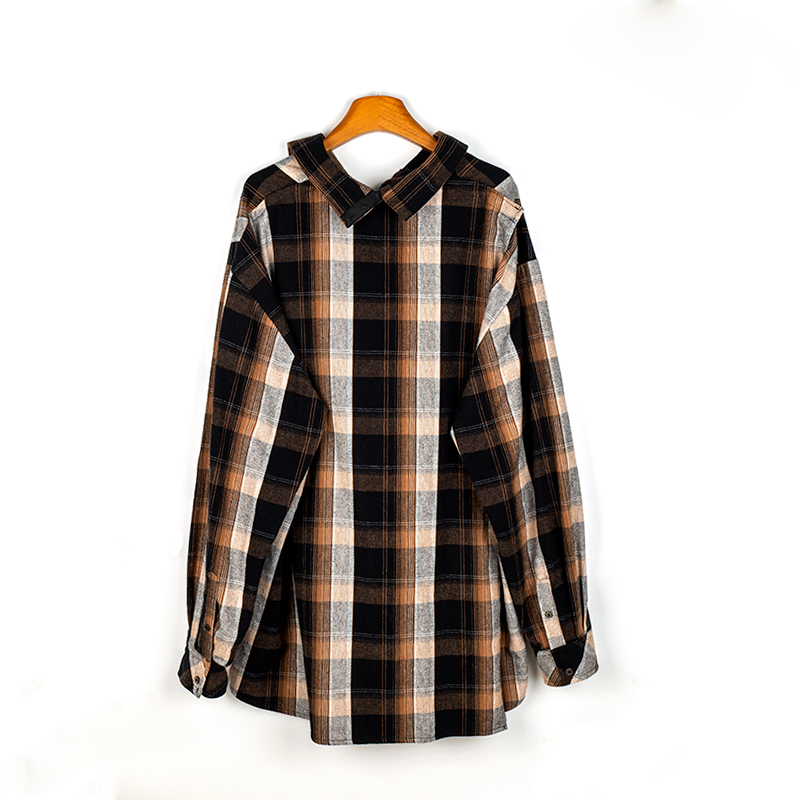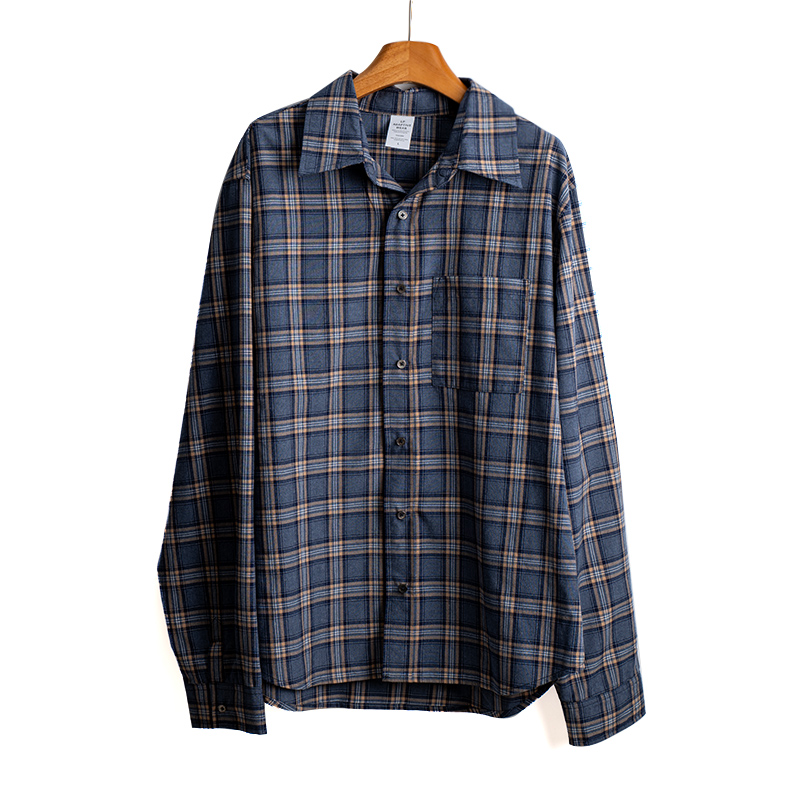


Pressure Sore Prevention Adaptive Clothing
We manufacture adaptive garments engineered to minimize tissue pressure, friction, and moisture — the key causes of pressure injuries. Using seamless knit construction, flat-lock seam technology, anti-shear fabrics, and moisture-wicking medical textiles, our garments support the prevention of Stage I–IV pressure ulcers in bedridden patients, wheelchair users, and high-risk elderly residents.
✔ Pressure-Reducing Garment Engineering
Designed to minimize tissue interface pressure across high-risk body zones
✔ Seamless & Flat-Lock Construction
Eliminates friction points that can lead to skin breakdown
The Clinical Problem
Pressure ulcers (also called pressure sores, bedsores, or decubitus ulcers) are localized injuries to the skin and underlying tissue caused by prolonged pressure, shear, or friction against a surface — typically a mattress, wheelchair seat, or clothing seam positioned over a bony prominence. They are among the most common, costly, and preventable healthcare complications in the world.
Clothing plays a direct and underestimated role in pressure injury development. Standard garment seams create localized tissue interface pressure of 40–80+ mmHg when compressed against a bony prominence — exceeding the 32 mmHg capillary closure threshold above which blood flow to skin tissue ceases. A patient lying on a standard flat-felled trouser seam at the sacrum is experiencing a localized pressure injury risk at the clothing interface — independently of the mattress below.
We provide high-capacity OEM and Private Label solutions for the global adaptive market.
By merging medical-grade functionality with retail quality, we deliver durable, accessible
apparel engineered for healthcare excellence and brand growth.
Product Catalog
Every garment category is available with full pressure prevention construction
specifications — seamless panels, flat-lock seams, anti-shear fabrics, and moisture
management textiles engineered to the specific pressure risk profile of each garment
type and user group.
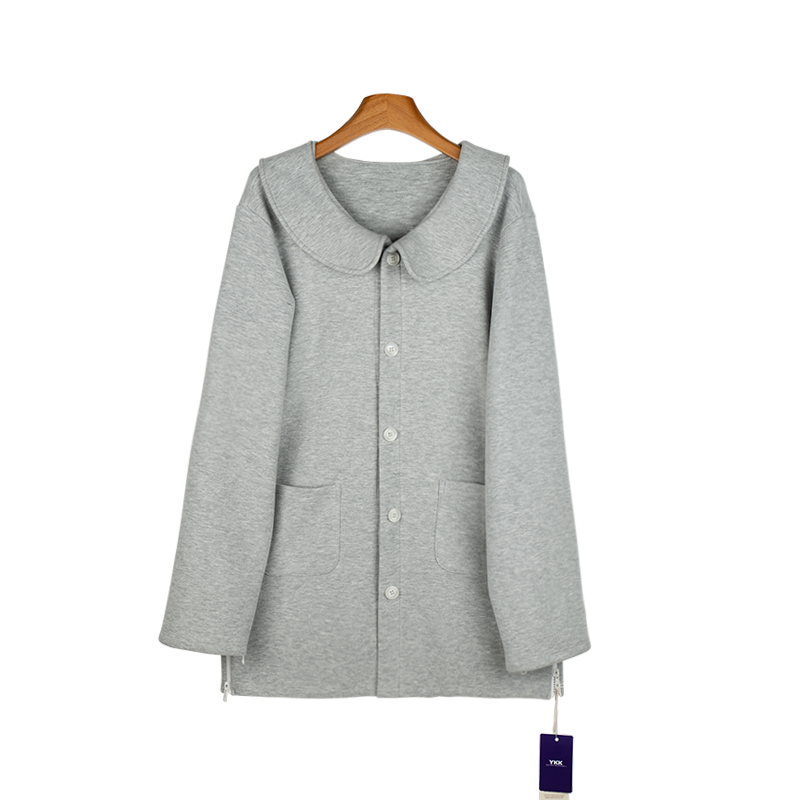
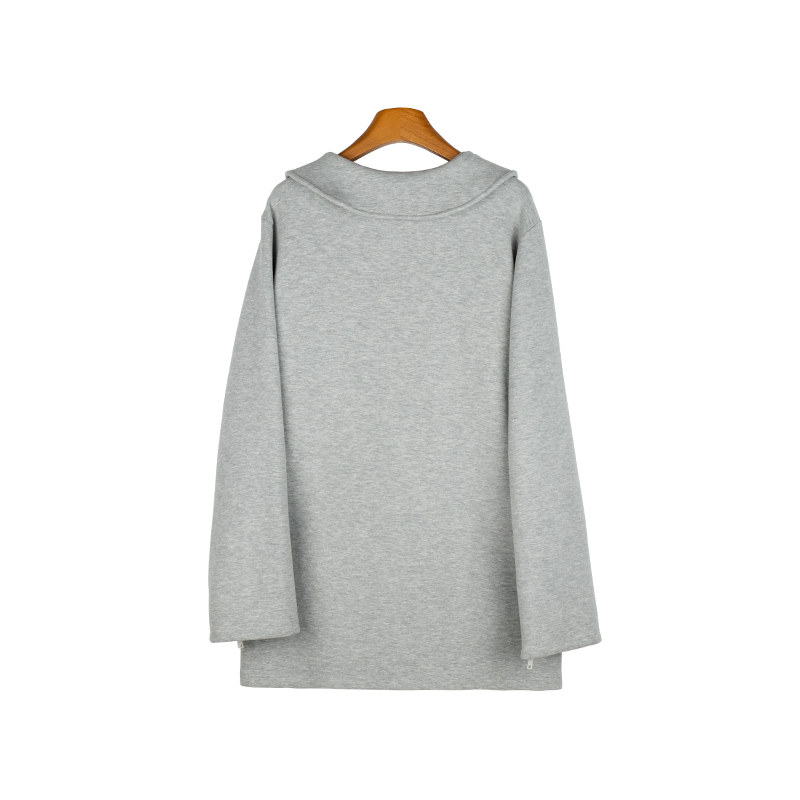
Circular-knit seamless tops with zero seams at scapula, spine, and shoulder contact zones — constructed from medical-grade Tencel A100 or moisture-wicking microfibre for daily wear by bedridden and wheelchair-dependent patients at high pressure risk. Flat-lock construction at any necessary join points.
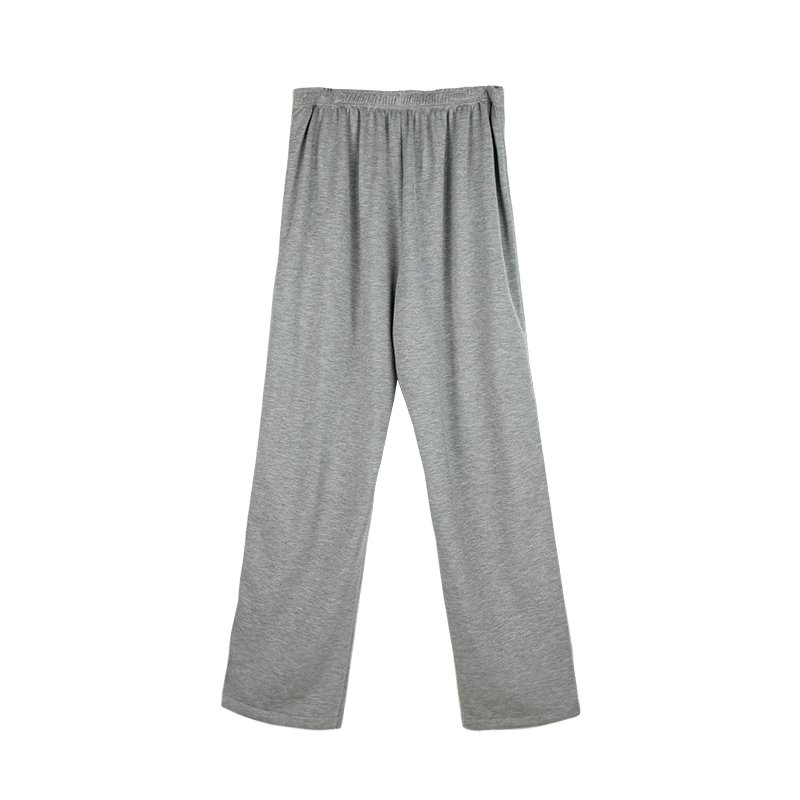
Seamless Sacral-Zone Trousers
Adaptive trousers with seamless circular-knit seat panels engineered to eliminate all seam ridges at the sacrum, coccyx, and ischial tuberosities — the anatomical sites accounting for 55% of all pressure ulcers. Flat-lock construction at side seams (trochanter contact zone) and waistband specified below 15 mmHg elastic tension.
Seamless Toe & Heel Pressure Socks
Whole-foot seamless compression socks — knitted as a single structure with no toe seam at all — eliminating the primary source of heel and metatarsal pressure injury in bedridden patients. Available in graduated compression (8–15 mmHg) for DVT prevention alongside pressure sore prevention, and in non-compression seamless flat-knit for sensitive users.
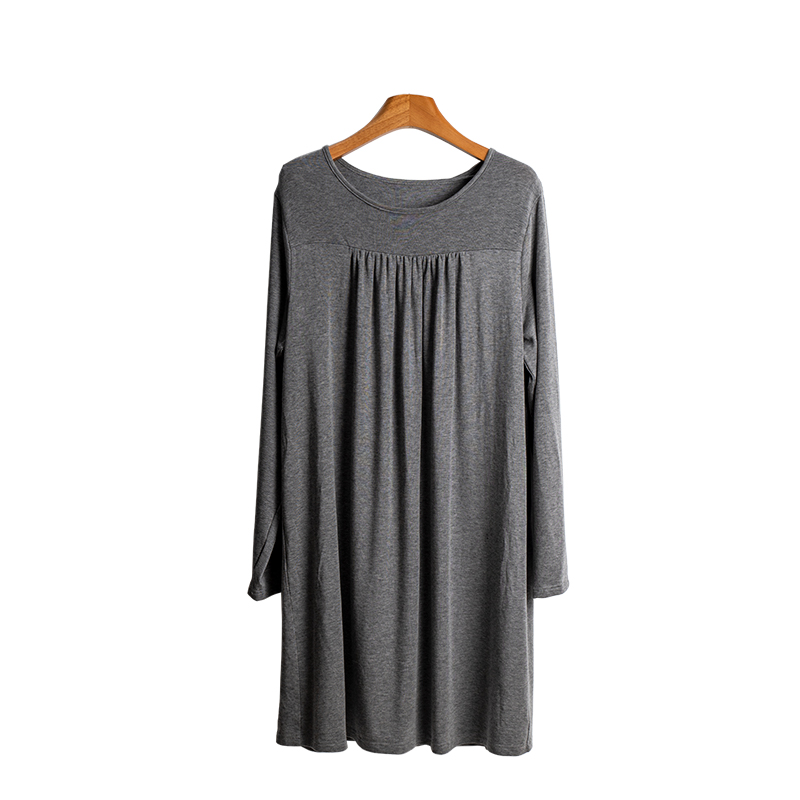
Pressure Prevention Nightwear
Seamless nightgowns and pajamas for overnight use — the highest-risk period for pressure injury formation when patients remain static for 6–8 hours. Seamless back panel construction, moisture-wicking Tencel or organic cotton fabric, and flat-lock all-over construction engineered to minimize TIP across the full body contact area in a supine sleeping position.
Patient Populations
Pressure injury risk is not limited to nursing home residents — it spans acute hospital care,
community care, and any patient population where mobility is limited and prolonged tissue
pressure is a daily reality.
Highest RiskPatients who are wholly or predominantly bed-bound represent the highest-risk population — with continuous static pressure at sacrum and heels during all sleeping and resting hours. Pressure prevention garments reduce TIP at both zones to below capillary closure threshold even without repositioning.
High RiskLong-term wheelchair users experience sustained ischial tuberosity and coccyx pressure throughout the sitting day — compounded by standard trouser seam pressure at the seat area. Seamless seat-panel trousers and anti-shear cushion-interface fabrics are the primary interventions for this population.
High RiskICU patients on ventilators with limited voluntary movement, and post-surgical patients in the immediate recovery period, face acute pressure injury risk — particularly at heels, sacrum, and occiput. Hospital-issued pressure prevention garments reduce incident rates in surgical and critical care wards.
High RiskFrail elderly residents in nursing homes combine multiple pressure injury risk factors — low mobility, fragile atrophic skin, poor nutrition, and incontinence — making seamless, moisture-wicking pressure prevention garments a standard-of-care requirement rather than an optional enhancement.
Elevated RiskPatients with spinal cord injury, multiple sclerosis, or stroke-related paralysis cannot feel or respond to pressure — the normal sensory feedback that prompts repositioning is absent. Pressure prevention garments provide passive protection that does not depend on the patient's ability to sense and respond to tissue discomfort.
Elevated RiskUrinary or faecal incontinence dramatically accelerates pressure injury formation through moisture maceration — lowering the effective tissue pressure threshold by up to 50%. Medical-grade moisture-wicking fabrics and antimicrobial textile treatments are essential for this population, alongside standard pressure prevention construction.
Risk FactorMalnutrition reduces subcutaneous fat and muscle mass — the natural pressure distribution layers between skin and bone — making patients with low BMI and poor nutritional status significantly more vulnerable to pressure injury at standard pressure levels that would not affect a well-nourished patient.
Clinical SettingEnd-of-life patients present particular pressure injury challenges — repositioning may not be tolerated and wound healing is compromised. Pressure prevention garments that passively reduce TIP to sub-capillary-closure levels without requiring active intervention become the primary prevention mechanism.
Pressure sore prevention clothing is specially designed apparel that helps reduce prolonged pressure on the skin, minimizing the risk of bedsores (pressure ulcers) in patients with limited mobility.
These garments are ideal for bedridden patients, wheelchair users, elderly individuals, and those in long-term care or rehabilitation settings who are at risk of developing pressure sores.
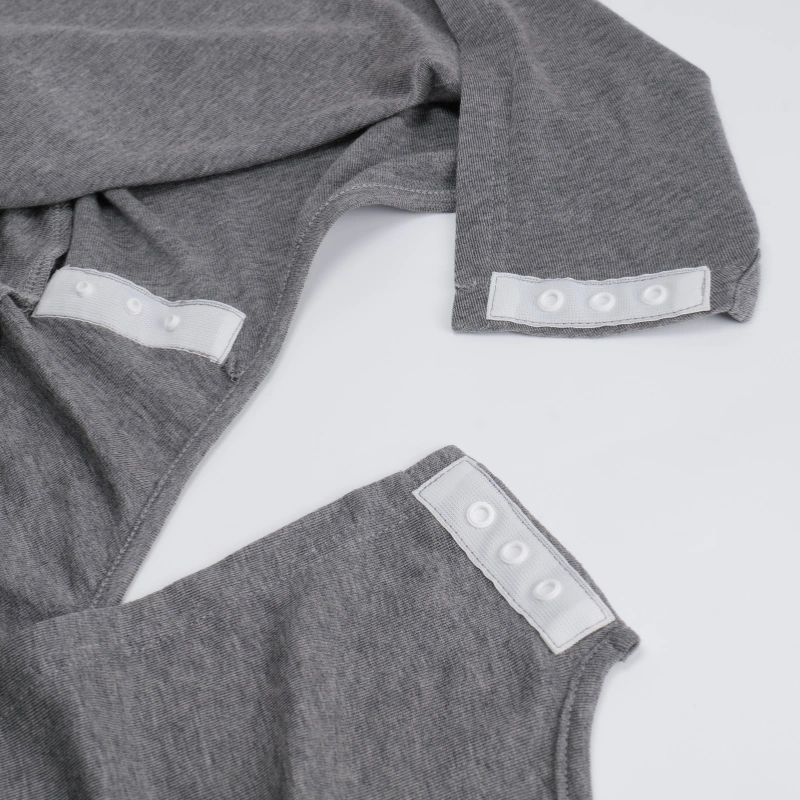
Our designs include soft, low-friction fabrics, seamless or flat stitching, padded support areas, moisture-wicking materials, and pressure-distribution zones to enhance comfort and skin protection.
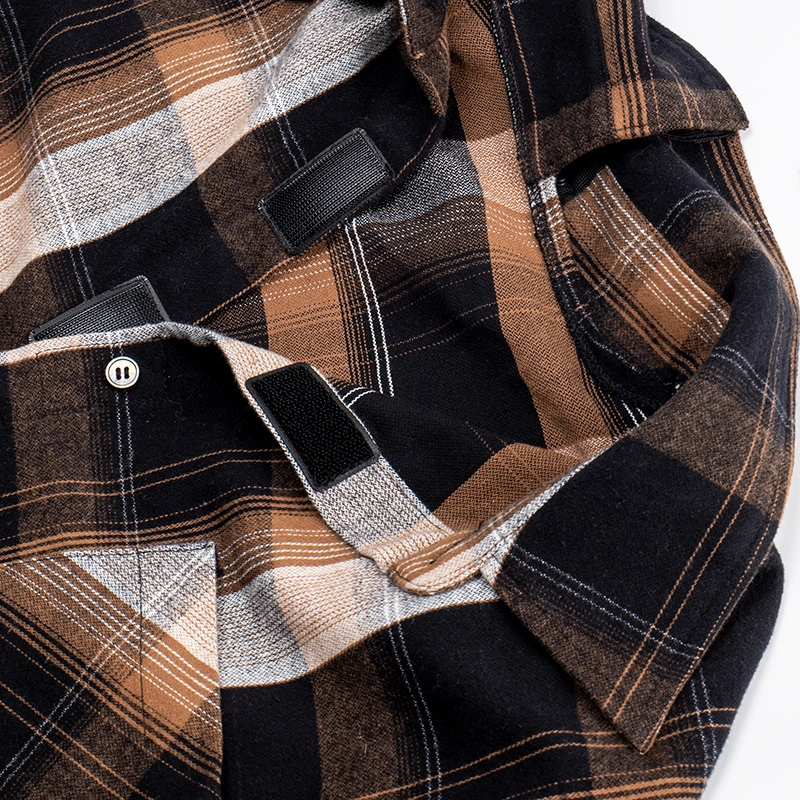
We manufacture adaptive tops, pants, undergarments, sleepwear, and specialized patient clothing designed for pressure relief and long-term wear.
Yes, we offer full customization including fabric selection, padding placement, sizing, adaptive features, and garment design based on clinical or market requirements.
Production timelines usually include sampling, material sourcing, bulk manufacturing, and quality inspection, which may take several weeks depending on the order size.
Absolutely. We offer complete OEM and private label solutions, including product development, branding, and large-scale production.
Yes, we specialize in bulk manufacturing and global distribution, ensuring consistent quality, competitive pricing, and reliable delivery for B2B clients.
Send us your tech pack, product specs, or project requirements.
We’ll review everything and provide a detailed quote with MOQ
pricing, timeline, and sample costs.